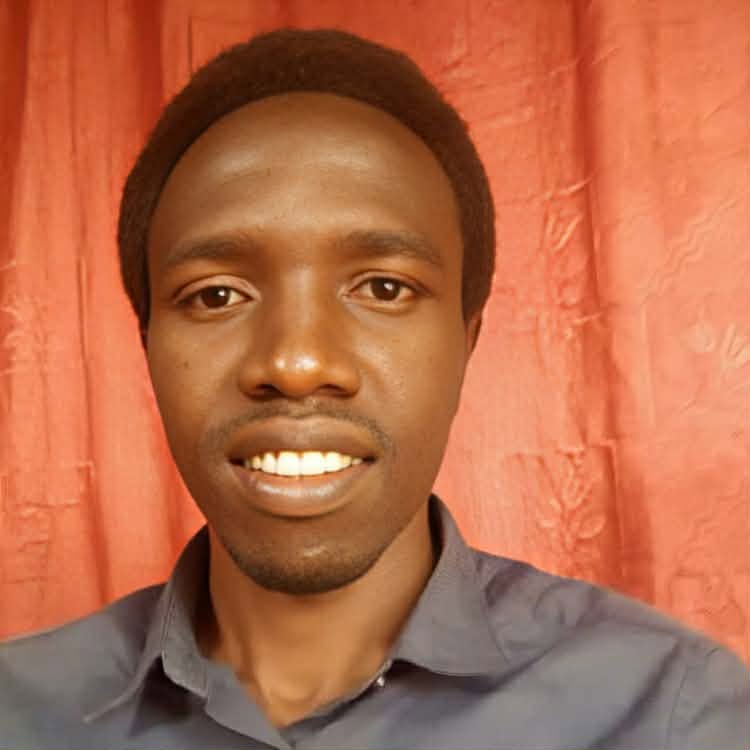
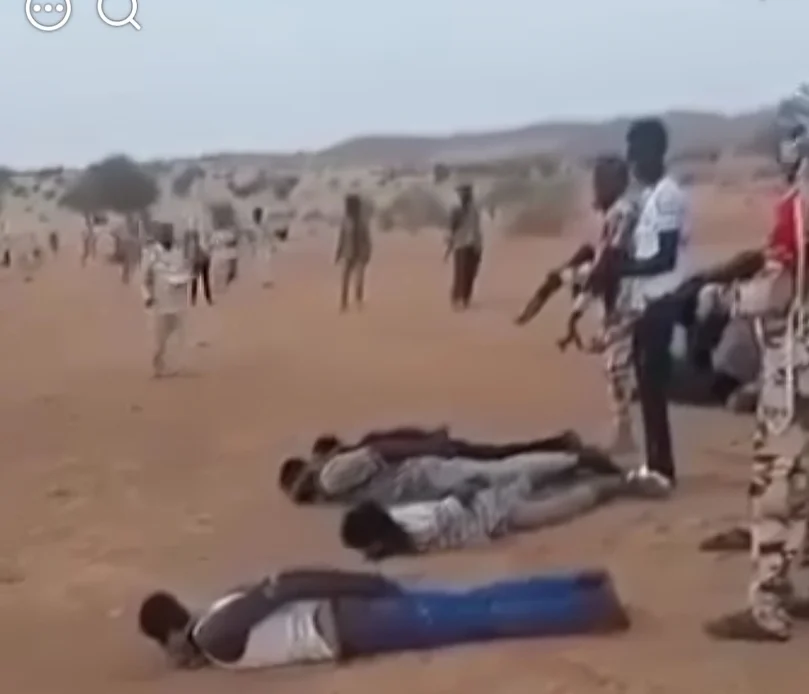
EL OBEID – A video obtained and reviewed by Sudan Now shows the execution of people who were bound and lying on the ground in Umm Bader, North Kordofan, while a man identified and verified as Ali al-Balla Jabara, commander of RSF Group 302, appears alongside members of the Rapid Support Forces (RSF).
Sudan Now verified that the incident shown in the footage took place in Umm Bader, not Sodari, and confirmed Al-Balla’s identity by comparing his appearance in the recording with photographs and videos he had previously published.
What could not be independently verified is the actual number of people executed.
Al-Balla says in the recording that the detainees numbered 23, while other sources and recordings give different figures. The footage shows people with their hands bound, some with their faces covered, while several can be heard saying they are civilians and asking to be brought before a court if the accusations against them are proven.
Al-Balla, whose identity Sudan Now verified, is heard ordering his forces to carry out the execution before gunfire is heard.
What the Recording Says
The recording contains references to Sept. 24, 2026, and indicates that the operation was linked to events described as the “Umm Bader market problem” in the northwestern part of North Kordofan.
Al-Balla says in the recording that those detained were 23 people, describing them as “shafshafa” and thieves before speaking about carrying out their execution by gunfire.
Voices can be heard in the background giving instructions to both the detainees and armed personnel, while the targeted individuals are shown bound and lying on the ground.
Sudan Now does not present the figure of 23 as an independently verified death toll. It is the number stated by Al-Balla in the recording, while independent verification of the final number of victims remains impossible.
Who Is the Man in the Video?
Identifying the man appearing in the footage was one of the elements Sudan Now was able to verify.
His facial features and appearance in the video were compared with earlier photographs and recordings published by Al-Balla himself, allowing Sudan Now to identify him as the RSF field commander and commander of Group 302.
The video was also circulated by individuals linked to him, according to Sudan Now’s verification.
This point is separate from the casualty count: Sudan Now was able to verify Al-Balla’s identity and the location of the incident in Umm Bader, while the actual number of people executed remains independently unconfirmed.
Separate Recording From Within the RSF
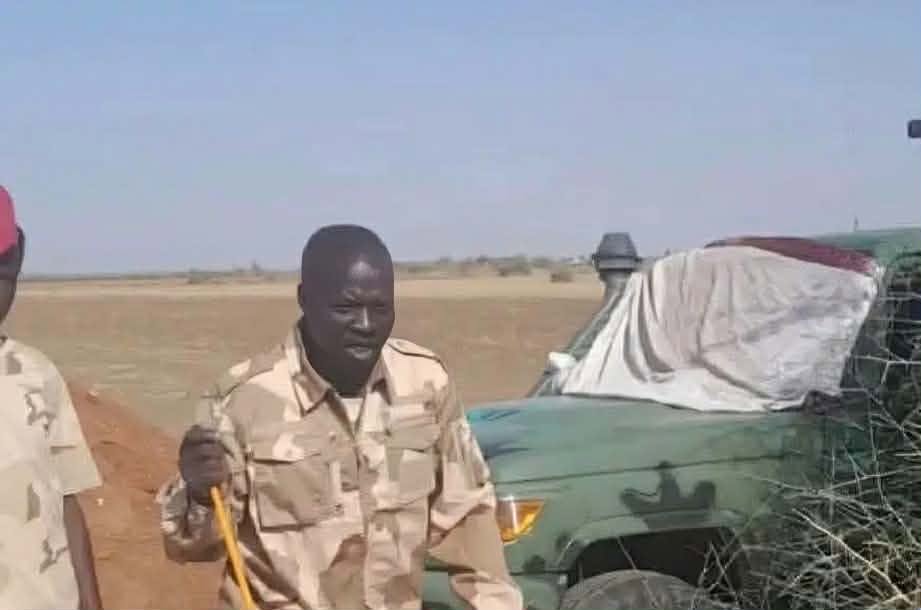
In a separate recording, RSF field commander Jabeiz al-Salami spoke directly about Al-Balla and the circulating video.
Al-Salami said what happened could not be treated as a “field trial” and called on Al-Balla to surrender to justice, saying courts existed to examine allegations against those who were killed.
Referring to the victims, he questioned the basis for their killing, asking what they had looted, whom they had killed and what they had stolen.
Al-Salami also gave differing casualty figures. In one part of the recording he referred to 15 people, while in another context he mentioned 23.
The conflicting figures within the recordings themselves mean that the number of victims requires an independent investigation and that none of the figures can yet be treated as a confirmed final toll.
Al-Salami directly accused Al-Balla in connection with the incident, called on him to surrender to justice and urged that recordings documenting the case be circulated.
Further Accusations From Within the RSF
A third recording, attributed to another RSF member, contained additional criticism and accusations against Al-Balla.
The speaker described Al-Balla as a “fifth columnist” and said previous reports and complaints had been filed against him. He also referred to allegations involving weapons, ammunition and military stores.
The recording included a claim that 27 soldiers had been killed, with Al-Balla accused of responsibility.
Sudan Now has not independently verified those allegations, and the figure of 27 soldiers does not by itself establish the number of victims in the Umm Bader execution.
The significance of the recording in the context of this report is that it adds criticism from within RSF ranks of Al-Balla’s conduct and points to internal disputes and accusations concerning field practices.
Joint Force: ‘A Crime That Will Not Intimidate Our People’
Maj. Mutawakel Ali Wakil Abuja, spokesman for the Joint Force of Armed Struggle Movements, described what he called the execution of 23 citizens in Umm Bader as a crime against civilians.
He referred to the video and local reports that put the toll at 23, saying attacks on civilians and intimidation of residents constituted serious violations and calling for civilian protection and accountability.
In his statement, he said the Joint Force would continue protecting civilians and securing areas within the scope of its operations, while stressing respect for the law and for civilians’ lives and property.
‘The Video Is Evidence the Incident Took Place in Umm Bader’
Activist Ayman Sharara also commented on the footage and political statements surrounding the incident.
Sharara said the Tasis alliance had issued a statement condemning the execution of 23 people but attributed the killings to the army and located the incident in Sodari.
He instead accused the RSF of responsibility, saying the visual evidence showed the execution took place in Umm Bader under Al-Balla’s command and that the incident had been filmed from more than one angle.
Sharara called for an independent investigation and urged Tasis to examine the visual material and verify it rather than changing the location of the incident or assigning responsibility to another party.
His account remains the position and analysis of an activist and does not independently establish every allegation contained in it.
Tasis Presents a Different Account
In contrast, Tasis spokesman Ahmed Tugud Lisan issued a statement on Oct. 2 titled “Statement on the Bloody Massacre of Citizens in Sodari.”
The alliance said more than 23 citizens were killed in Sodari after the army and allied forces took control of the area and accused the Sudanese Armed Forces and its allies of killing civilians.
The statement also made broader accusations against the army and allied forces, describing what it said was a pattern of violations and calling for an independent investigation into the alleged crimes.
But Tasis’ account of the location and responsibility conflicts with what Sudan Now was able to verify.
The footage examined by Sudan Now points to Umm Bader, while the recording itself refers to Umm Bader and its market in the context of the operation.
For this report, the location of the filmed incident is therefore not being treated as unknown. There is a competing political account placing the event in Sodari, while the verified visual material places it in Umm Bader.
Sudan Doctors Network: More Than 25
The Sudan Doctors Network entered the dispute with a statement issued on Oct. 3 saying the circulating video documented RSF personnel executing more than 25 civilians in Umm Bader.
That created another discrepancy in the casualty figures: Al-Balla says 23 in the video, while the doctors’ network reports more than 25.
The network said the gravity of the incident went beyond extrajudicial killing, citing indicators that it said raised concerns about possible ethnic motives, in the context of accusations that the victims had sided with the Sudanese Armed Forces.
It warned that targeting civilians on an ethnic basis or over unproven accusations could threaten social cohesion and fuel hate speech.
The network also criticized the filming, publication and celebration of killings, describing that as an indication of a lack of accountability.
It called for an independent and transparent investigation, identification of those responsible and publication of the findings.
Why the Number of Victims Cannot Yet Be Confirmed
Four different figures appear in the available material:
- 23 people: the number stated by Al-Balla in the video.
- 15 people: a figure mentioned in part of Al-Salami’s recording.
- More than 25 people: the figure reported by the Sudan Doctors Network.
- 27 soldiers: a figure mentioned in a separate recording involving different accusations against Al-Balla and which should not be confused with the Umm Bader death toll without additional evidence.
These figures cannot be combined or treated as a single casualty toll.
What Sudan Now has been able to verify is that the video documents the killing or execution of detainees in Umm Bader and that Al-Balla, who appears in the footage, says the number was 23.
The actual number of people executed remains independently unresolved.
Umm Bader Incident in a Wider Context
The Umm Bader incident does not stand in isolation. Human rights organizations have previously documented extrajudicial executions and abuses against detainees during Sudan’s war.
In August 2024, Human Rights Watch said it had analyzed 20 videos and one photograph documenting 10 incidents, including four incidents of mass or extrajudicial execution involving at least 40 people.
The organization said three of those incidents were filmed by RSF personnel, including the execution of at least 21 men, and possibly 23, in El Fula, West Kordofan, in June 2024.
It said footage from El Fula showed detained and unarmed men, some in military clothing and others in civilian clothes, with several having their hands bound.
The organization also documented another incident in which it said RSF personnel executed 14 unarmed detainees near Belila Airport in West Kordofan in October 2023.
Human Rights Watch also documented footage in 2025 that it said showed RSF personnel carrying out extrajudicial killings of people attempting to flee El Fasher, including people in civilian clothing and wounded individuals, after the RSF took control of the city in October 2025.
On Oct. 27, 2025, the United Nations said its human rights office had received multiple reports of summary executions and serious violations following the RSF takeover of large parts of El Fasher and developments in North Kordofan, including reports of civilians attempting to flee and people who were no longer participating in hostilities being executed.
Between the Video and an Investigation
In the Umm Bader case, the video provides material that can be examined for location, timing, identity and sequence of events.
That allowed Sudan Now to verify the location of the incident and Al-Balla’s identity.
But the footage alone is not sufficient to determine the final number of victims without matching it against field information, local records, testimony from victims’ families or other independent evidence.
Determining individual responsibility would also require an investigation identifying all those involved, the orders given, the circumstances of detention and whether the victims had participated in fighting or committed crimes.
Those issues cannot be resolved solely through the accusations exchanged in the available recordings.
The need for such an investigation is heightened by the emergence of two conflicting accounts of responsibility.
The first, supported by the visual material verified by Sudan Now and recordings criticizing Al-Balla from within the RSF, places the incident in Umm Bader.
The second, presented by Tasis, attributes the killings to the army and places them in Sodari.
At the same time, the conflicting figures in the recordings and statements make the number of victims one of the elements most in need of independent verification.
Key questions remain unanswered: Who were the people shown in the video? Were they civilians, fighters or people detained over alleged crimes? How many people were actually executed? Who issued the orders? Who carried them out? And are there additional videos, witnesses or field evidence capable of establishing the full sequence of events?
Until those questions are answered through an independent investigation, the findings Sudan Now has been able to verify are that the filmed execution took place in Umm Bader and Ali al-Balla Jabara appears in the footage after his identity was verified, while the actual number of victims remains independently unresolved.