
Khartoum – Sudan Now | May 16, 2026
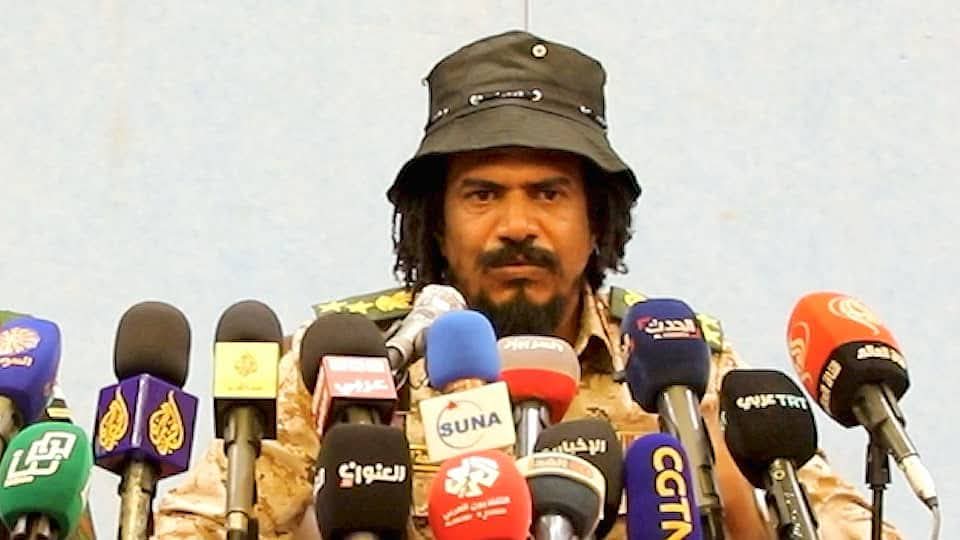
Brigadier General Ali Rizqallah, known as “Savannah,” who joined the Sudanese Armed Forces after defecting from the RSF, accused the UAE of directly managing, financing, and arming the RSF, asserting that the war in Sudan “began under Emirati orders, planning, and funding.”
Savannah said during a press conference in Khartoum that the UAE had been sending weapons and military equipment to Darfur and Kordofan through air shipments landing on pre-prepared dirt airstrips, noting that he had personally overseen the preparation of more than seven airstrips used to supply the RSF with weapons.
He added that the RSF leadership “does not have the authority to stop the war,” arguing that operational control has effectively fallen into the hands of the UAE, which he said is “leading the war against Sudan while relying on Western and African countries, as well as foreign mercenaries.”
Savannah also revealed that several RSF leaders are under house arrest in the UAE, including Othman Operations and Issam Fadil. He further accused the militia’s leadership of carrying out assassinations against field commanders they viewed as a threat, allegedly under directives from Abdul Rahim Dagalo.
He stated that his previous joining of the RSF was “driven by coercion and the need for protection,” explaining that the forces had used threats of imprisonment and extrajudicial killings to compel commanders and tribal groups to fight within their ranks.
He also affirmed his readiness to appear before the law regarding any accusations levelled against him, while announcing his intention to take part in the “dismantling of the militia,” and predicting widespread defections within its ranks in the coming period.
He further noted that the flow of weapons into Darfur has become uncontrollable, warning that they could reach armed and extremist groups in West Africa, including Boko Haram.
Savannah’s statements come amid escalating mutual accusations regarding external support to the warring parties in Sudan, with international reports highlighting the continued flow of weapons into conflict zones despite repeated international calls to end the war.