
Khartoum – Sudan Now
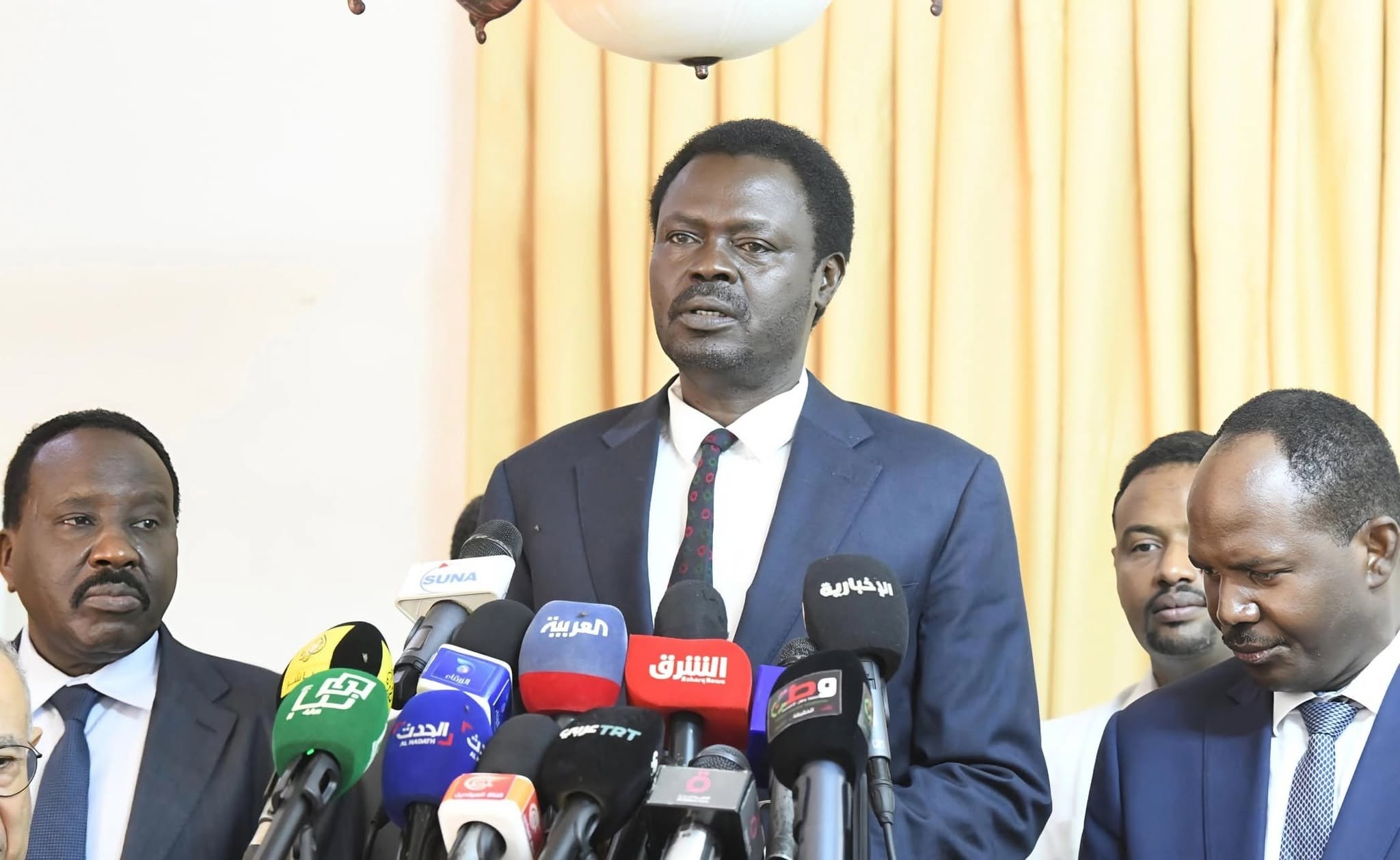
Darfur Governor and Sudan Liberation Movement leader Minni Arko Minawi has argued that the Tasis alliance and the Rapid Support Forces (RSF) represent two sides of the same project, saying attempts to separate the two ignore what he described as their shared political, military and legal responsibilities.
In an article published on Saturday, Minawi said many observers mistakenly treat the RSF and Tasis as separate entities, while developments on the ground suggest they are closely linked through common interests, objectives and responsibilities stemming from Sudan’s ongoing conflict.
Minawi argued that the RSF emerged during the rule of former President Omar al-Bashir from the ranks of the Janjaweed militias, which were later reorganized under different names. He said the force continues to carry the legacy of accusations linked to widespread abuses in Darfur over the past two decades.
According to Minawi, the RSF has long been associated with allegations of killings, forced displacement and attacks against civilians, contributing to the displacement of millions of Sudanese inside and outside the country. He also pointed to international measures and legal actions that have targeted individuals linked to the conflict in Sudan.
He further argued that the RSF has never developed a clear national political project, describing its activities as primarily driven by military power, territorial control and access to resources.
Minawi also claimed that regional and international arrangements related to migration and security issues at various stages provided space for the RSF to expand its influence, despite the fact that conflict and displacement were among the main drivers of migration from Sudan.
Turning to the Tasis alliance, Minawi said the coalition cannot, in his view, distance itself from the legacy of the groups and armed movements operating under its umbrella.
He argued that some of its military components face allegations related to events that occurred during the war, including incidents in El Fasher and Zamzam camp in North Darfur.
Minawi referred to accusations involving serious violations, including allegations of ethnic cleansing and genocide that remain the subject of investigations and documentation efforts by various national and international bodies.
He maintained that attempts to distinguish Tasis from the RSF amount to a change in political branding rather than a meaningful separation of responsibility.
According to Minawi, accountability cannot be avoided through new political platforms or revised political rhetoric, arguing that organizations should be judged by the actions of their members and affiliates rather than by public statements or declared intentions.
He also cited incidents reported in El Geneina, Wad Al-Noura and Khartoum, including allegations of looting, destruction of public property, attacks on institutions and the release of prisoners from detention facilities during the conflict.
Minawi said responsibility for such actions should not be limited to those who carried them out directly but should also extend to actors that provided political or military support or cover.
He argued that any political project emerging from those forces or offering them political legitimacy cannot claim to be detached from the consequences of the violations attributed to them.
The Darfur governor stressed that accountability should apply equally to all parties involved in the conflict and should not be subject to double standards.
He added that changing names, forming new alliances or adopting different political narratives does not erase the realities of the war or diminish calls for justice and accountability.
Minawi’s remarks come amid continuing debate among Sudanese political forces over the shape of a future political process aimed at ending the war, particularly regarding the role of the Tasis alliance and broader questions of transitional justice and accountability.
Issues of justice and accountability remain among the most contentious aspects of Sudan’s political landscape, with many groups arguing that a sustainable settlement will require addressing wartime abuses and ensuring that those responsible for violations are held accountable.