
Khartoum – Sudan Now | May 18, 2026
A new report by the United Nations Development Programme revealed that the damage inflicted on Sudan’s electricity network since the outbreak of war in April 2023 is estimated at up to $3 billion, as solar energy has become a primary option for powering homes, farms, clinics, and vital services across large parts of the country.
The report noted that demand for solar energy solutions is witnessing a steady increase amid the continued collapse of electricity services and prolonged power outages. However, access to these technologies still faces major challenges related to high costs, limited funding, and difficulties in import and transportation.
The report, a copy of which was obtained by (Sudan Now), stated that solar panel prices inside Sudan have risen significantly despite their global decline, due to the depreciation of the local currency, disruptions in supply chains, and increased transportation costs, in addition to the spread of low-quality products in the market.
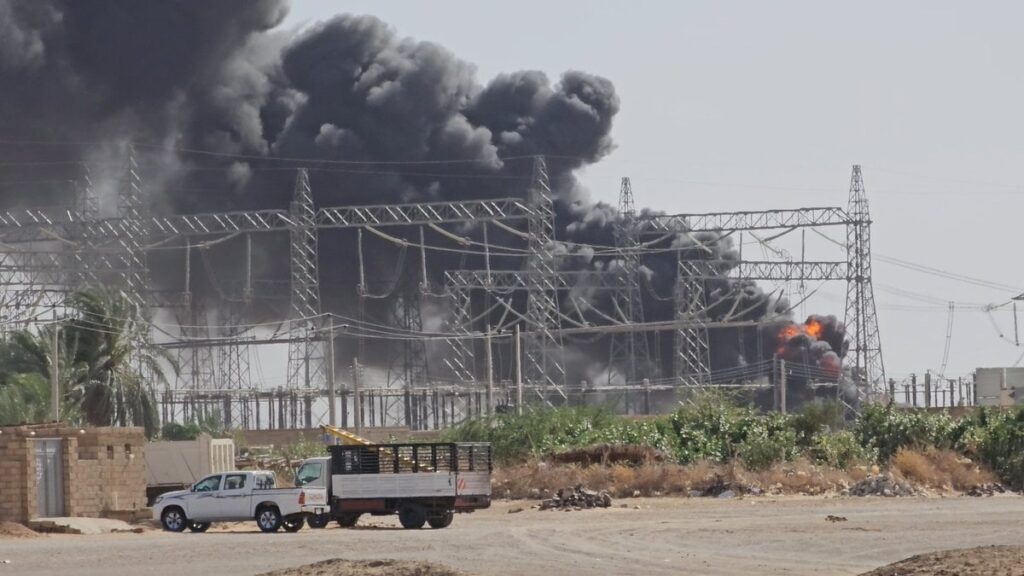
The United Nations Development Programme confirmed that the war has deepened Sudan’s energy crisis, as the electricity infrastructure has suffered extensive damage affecting power plants, transmission lines, and distribution networks, which in turn has impacted essential services, agricultural production, and economic activity.
The report noted that solar energy has become a vital alternative for an increasing number of households, farmers, and health clinics, particularly in areas beyond the reach of the electricity grid. However, millions of Sudanese people are still unable to afford its costs.
The report called for practical steps to expand access to clean and sustainable energy at affordable prices, through increased financial support, improved regulatory frameworks, and the promotion of investment in alternative energy solutions, in a way that helps sustain livelihoods and essential services during the war and beyond.
The electricity and energy sectors in Sudan have been facing a worsening crisis for years, but the ongoing war has led to the destruction of large parts of the national grid, amid a sharp decline in the state’s capacity for rehabilitation and maintenance. This has pushed large segments of the population to rely on alternative solutions, most notably solar energy.