
Nyala – Sudan Now
Tribal clashes between the Salamat and Beni Halba communities have intensified across several areas of Darfur, leaving dozens dead and injured amid growing concerns over worsening insecurity and communal violence in the region.
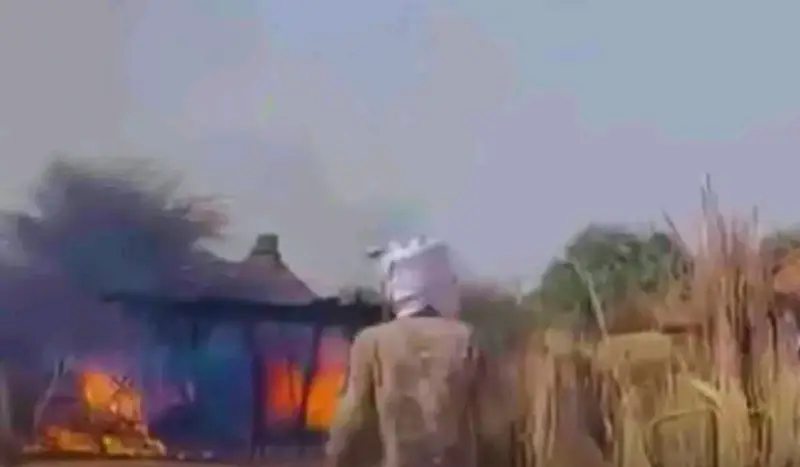
Sources who spoke to Sudan Now said fighting spread across parts of South and Central Darfur, including Mukjar, Um Dukhn, Reheid Al Birdi, Zalingei, Bendasi and Foro Baranga, with clashes involving heavy weapons and armed elements allegedly linked to the Rapid Support Forces (RSF).
Preliminary casualty figures cited by the sources indicated that at least 21 members of the Salamat community and seven from the Beni Halba community were killed, while fighting continued in some areas.
The violence later spread to the Markandi area following a fresh attack, raising fears that additional localities could be drawn into the conflict as security conditions continue to deteriorate.
The latest clashes come amid a broader rise in tribal violence across Darfur, where the collapse of security institutions and the wider war between the Sudanese army and the RSF have contributed to increasing instability and competition over local influence and resources.
Former university lecturer Salem Al-Nou said the renewed fighting was deepening civilian suffering at a time when communities urgently needed stability and peace, calling on traditional leaders and reconciliation committees to intervene before the situation worsens further.
Activists also reported that fighting reached Kabum locality and said members of the RSF from both communities had joined the conflict, further complicating efforts to contain the violence.
Verified videos reviewed by Sudan Now showed severe abuses, including the mutilation of bodies and the dragging of corpses by motorcycles, scenes that triggered widespread outrage and condemnation on social media.
Observers warned that continued escalation could trigger a wider cycle of communal violence in Darfur, where recurring tribal conflicts have increasingly overlapped with Sudan’s broader war, further complicating efforts to protect civilians and stabilize the region.