
Kauda – Sudan Now
The Sudan People’s Liberation Movement-North (SPLM-N) said the deadly events that unfolded in the Dibei and Kauda areas of Heiban County in South Kordofan began as a local dispute between members of the Atoro and Shawaya tribes before escalating into broader violence that left people dead, displaced residents and caused significant material losses.
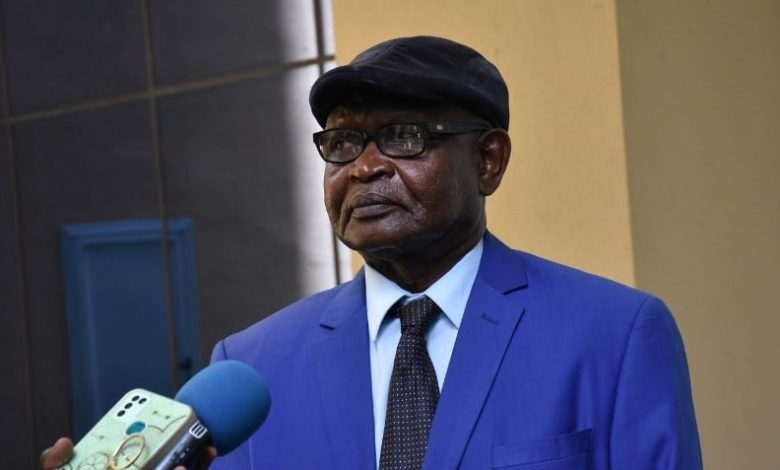
SPLM-N Secretary-General Ammar Amon Daldoum said in a statement that tensions first emerged in the Dibei area in March between members of the two tribes. He noted that the conflict did not involve all members of either community but nevertheless resulted in casualties and losses on both sides.
The statement comes days after the Civil Movement of the Nuba Mountains accused the SPLM-N and the SPLA of killings and violations against civilians in Kauda and surrounding areas. The movement has called for an independent investigation, while the SPLM-N says it has already established a fact-finding committee to investigate the events.
According to Daldoum, the SPLA General Staff intervened to contain the situation and formed a committee to establish the facts. He said individuals from both sides were summoned for questioning, adding that some members of the Shawaya community appeared before the committee, while some of those named from the Atoro side declined to appear, accusing the SPLA of bias.
Daldoum said the violence escalated in early May and later spread to Bayam Kauda. According to the statement, the unrest resulted in killings of civilians who were not directly involved in the dispute, as well as the burning and looting of public and private property.
The SPLM-N said the looting affected institutions belonging to the movement and its affiliated civil administration, in addition to Kauda’s main market, the headquarters of the Sudan Relief and Rehabilitation Agency (SRRA), and several humanitarian organizations operating in the area. The statement also said the residence of the SPLM-N Secretary-General was among the properties looted during the violence.
Earlier, the Legal Committee of the Civil Movement of the Nuba Mountains said preliminary information indicated that the events had resulted in the deaths of 26 civilians, injuries to dozens of others and the disappearance of several people. The committee called for an independent investigation and accountability for those responsible for the reported violations.
Daldoum said the violence forced large numbers of residents, particularly in the Kauda area, to flee into nearby mountains to escape the fighting. He added that many displaced families are now facing severe humanitarian conditions, including shortages of food, shelter and basic services.
Kauda and Heiban are among the most prominent areas under the control of the SPLM-N led by Abdelaziz al-Hilu. The region had experienced relative stability in recent years compared with other conflict-affected parts of Sudan before local tensions intensified in recent months.
The SPLM-N said it had instructed humanitarian organizations operating in the region to scale up relief efforts for affected communities. According to the statement, some organizations have already begun delivering assistance, while field teams have started assessments to identify the most urgent humanitarian needs.
The movement called on humanitarian agencies to intervene urgently before the onset of the rainy season by providing food, medicine and shelter to those affected. It also urged displaced residents to return to their areas and benefit from available assistance.
Daldoum stressed that all individuals named in the fact-finding committee’s reports must appear before investigators, saying that “no one is above the law” within either the SPLM-N or the SPLA. He added that the investigations must cover all violations committed during the recent events.
The developments come as parts of South Kordofan continue to face complex humanitarian and security challenges linked to the wider war in Sudan and reduced humanitarian access to several conflict-affected areas. Human rights and aid organizations have increasingly called for greater protection of civilians and measures to prevent local disputes from escalating into broader confrontations that could further destabilize the region.