
AD-DAMAZIN – The Blue Nile Civil Society Initiative warned on Saturday of a rapidly deteriorating health situation in the region, citing growing reports of malaria and dengue fever cases and deaths amid shortages of testing services, medicines and medical supplies.
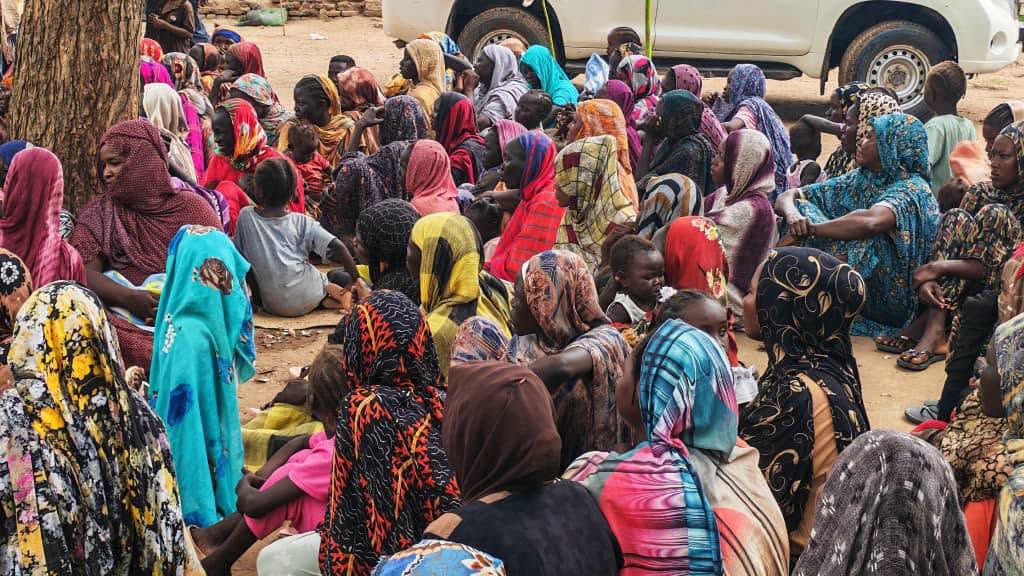
In a statement, the initiative said the situation is worsening as large numbers of displaced people face limited access to healthcare in camps and displacement sites, increasing the risk of wider disease outbreaks.
The group did not provide specific figures for infections or deaths. Health authorities had not issued an official update by publication time on the scale of the outbreak or the areas most affected across Blue Nile.
The initiative said it had received reports that some patients faced difficulties obtaining tests and treatment at the Police Hospital in recent days. It called on the relevant authorities to clarify the circumstances and ensure patients can access healthcare without obstruction.
It urged the Health Ministry and other authorities to provide free or subsidized testing, medicines, intravenous fluids and medical supplies, and to strengthen the capacity of health facilities to respond to the rising number of cases.
The initiative also called for intensified mosquito-control campaigns, wider preventive measures and the publication of official, updated epidemiological data to help residents understand the risks and protect themselves from infection.
Malaria and dengue fever are transmitted by mosquitoes, with transmission risks rising during the rainy season as stagnant water spreads and sanitation conditions deteriorate, especially in densely populated areas and displacement sites.
Sudan’s health sector has faced severe pressure since the war between the Sudanese Armed Forces (SAF) and the Rapid Support Forces (RSF) erupted in April 2023, with hospitals damaged, medical supplies disrupted and humanitarian needs increasing among displaced communities.
Blue Nile has also faced waves of displacement and humanitarian strain linked to conflict, insecurity and seasonal flooding, leaving many families dependent on overstretched local services.
The initiative said the continued rise in cases amid difficult conditions for displaced people requires an urgent, coordinated and transparent health response to contain the spread of disease and protect lives.