Introduction
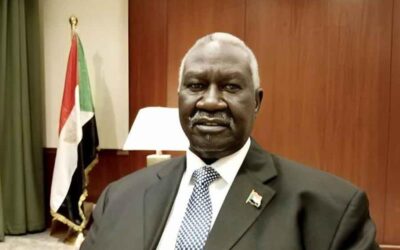
Malik Agar Eyre is a Sudanese politician, military leader and former governor of Blue Nile State. He currently serves as Vice Chairman of Sudan’s Sovereignty Council and is one of the country’s most prominent political figures during the transitional period.
Agar first rose to national prominence as a senior commander in the Sudan People’s Liberation Movement (SPLM) during Sudan’s second civil war. Following the independence of South Sudan in 2011, he became Chairman of the Sudan People’s Liberation Movement–North (SPLM-N) before later leading the faction that signed the Juba Peace Agreement in 2020.
Throughout his political and military career, Agar has participated in peace negotiations, constitutional discussions and national governance, making him one of the central figures in Sudan’s contemporary political landscape.
Early Life
Malik Agar Eyre was born in Blue Nile State, southeastern Sudan. He belongs to the Ingessana community, one of the region’s indigenous groups.
He received his early education in Sudan before becoming involved in political and military activities during the early years of the Sudanese civil conflict.
His background in Blue Nile has significantly influenced his political priorities, particularly regarding regional development, decentralization and political representation for marginalized communities.
Education
Publicly available information regarding Malik Agar’s formal education is limited. Most official biographies focus primarily on his political and military career rather than his academic background.
His leadership experience has largely developed through decades of political organization, military command and participation in national peace negotiations.
Military Career
Malik Agar joined the Sudan People’s Liberation Movement (SPLM) during Sudan’s second civil war under the leadership of Dr. John Garang.
Over the following years, he became one of the movement’s senior military commanders and played an important role in operations conducted in Blue Nile and other areas of southern and eastern Sudan.
His military career was closely linked to the SPLM’s broader political objective of restructuring the Sudanese state through constitutional and political reform.
Political Career
Following the signing of the Comprehensive Peace Agreement (CPA) in 2005, Malik Agar transitioned from military leadership into public office.
He served as Governor of Blue Nile State after winning the 2010 state elections. During this period, he focused on regional administration, implementation of the Comprehensive Peace Agreement and political dialogue between former conflict parties.
His tenure coincided with increasing political tensions that eventually contributed to renewed conflict following the independence of South Sudan in 2011.
Leadership of SPLM-N
After South Sudan became independent in July 2011, Malik Agar became Chairman of the newly established Sudan People’s Liberation Movement–North (SPLM-N).
Under his leadership, the movement participated in negotiations with successive Sudanese governments while continuing political and military activities in Blue Nile and South Kordofan.
In 2017, internal disagreements within the movement led to a leadership split. Abdelaziz al-Hilu became leader of one faction, while Malik Agar continued to lead a separate SPLM-N faction that later participated in the Juba Peace Agreement.
Leadership of SPLM-N
After South Sudan became independent in July 2011, Malik Agar became Chairman of the newly established Sudan People’s Liberation Movement–North (SPLM-N).
Under his leadership, the movement participated in negotiations with successive Sudanese governments while continuing political and military activities in Blue Nile and South Kordofan.
In 2017, internal disagreements within the movement led to a leadership split. Abdelaziz al-Hilu became leader of one faction, while Malik Agar continued to lead a separate SPLM-N faction that later participated in the Juba Peace Agreement.
Split Within SPLM-N
In 2017, SPLM-N experienced a major internal leadership dispute that resulted in the movement splitting into two separate factions.
The disagreement centred on political strategy, peace negotiations and constitutional priorities, particularly the role of religion in the state and the conditions for a comprehensive peace agreement.
Following the split, Abdelaziz al-Hilu assumed leadership of one faction based primarily in South Kordofan, while Malik Agar continued to lead the other faction, which maintained its political and military presence in Blue Nile and later participated in national peace negotiations.
Role in the Juba Peace Agreement
Malik Agar played a leading role in the negotiations that resulted in the Juba Peace Agreement, signed on 3 October 2020.
As leader of his SPLM-N faction, he participated in discussions covering political representation, security arrangements, constitutional reform and regional governance, particularly concerning Blue Nile and South Kordofan.
Following the signing of the agreement, his movement became part of Sudan’s transitional political institutions under the power-sharing arrangements established by the accord.
Vice Chairman of the Sovereignty Council
Following the implementation of the Juba Peace Agreement, Malik Agar became a member of Sudan’s Sovereignty Council as part of the agreement’s power-sharing provisions.
In 2023, he was appointed Vice Chairman of the Sovereignty Council, becoming one of the country’s highest-ranking constitutional officials during the transitional period.
In this role, he has participated in state affairs, diplomatic engagements, peace initiatives and discussions concerning Sudan’s constitutional and political future.
Political Views
Throughout his political career, Malik Agar has advocated constitutional reform, national unity, decentralization and greater political participation for Sudan’s regions.
He has consistently argued that durable peace requires addressing the underlying causes of conflict through political dialogue, inclusive governance and equitable development.
His political positions have evolved from armed opposition toward participation in state institutions while continuing to emphasize peacebuilding and constitutional reform.
Role During the Sudan War
Since the outbreak of armed conflict between the Sudanese Armed Forces (SAF) and the Rapid Support Forces (RSF) in April 2023, Malik Agar has remained an active member of Sudan’s senior political leadership.
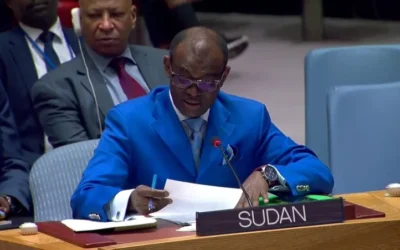
As Vice Chairman of the Sovereignty Council, he has represented Sudan in regional and international meetings, participated in diplomatic initiatives and addressed issues relating to governance, humanitarian affairs and the country’s political transition.
He has also taken part in discussions concerning ceasefire initiatives, regional diplomacy and Sudan’s relations with neighbouring countries and international organizations.
International Engagement
Malik Agar has represented Sudan at numerous regional and international meetings involving the African Union (AU), the Intergovernmental Authority on Development (IGAD), the United Nations (UN) and other international partners.
His diplomatic engagements have focused on peace implementation, regional cooperation, humanitarian issues and Sudan’s political transition.
As Vice Chairman of the Sovereignty Council, he regularly meets foreign officials, diplomats and representatives of international organizations in connection with Sudan’s domestic and foreign policy priorities.
Public Image
Supporters describe Malik Agar as an experienced political leader who successfully transitioned from armed opposition to constitutional government while continuing to advocate for peace and political dialogue.
Critics have questioned aspects of the peace process and the implementation of political agreements in which he has participated. Others have debated the effectiveness of Sudan’s transitional institutions during periods of political instability.
Political analysts generally regard Agar as one of the country’s most influential political figures because of his roles in armed movements, peace negotiations and national governance over several decades.
Legacy and Influence
Malik Agar has played significant roles in several defining periods of Sudan’s modern history, including the second civil war, implementation of the Comprehensive Peace Agreement, the formation of SPLM-N, the Juba Peace Agreement and Sudan’s transitional government.
His career reflects the broader transformation of several Sudanese armed movements from military organizations into political actors participating in national institutions.
Whether as a military commander, regional governor, opposition leader or senior constitutional official, Agar has remained an influential participant in debates concerning Sudan’s governance, peace process and constitutional future.
Timeline
1980s – Joins the Sudan People’s Liberation Movement (SPLM) during Sudan’s second civil war.
2005 – Participates in the implementation of the Comprehensive Peace Agreement (CPA).
2010 – Elected Governor of Blue Nile State.
2011 – Becomes Chairman of the Sudan People’s Liberation Movement–North (SPLM-N) following the independence of South Sudan.
2017 – A leadership split divides SPLM-N into two factions led by Malik Agar and Abdelaziz al-Hilu.
2020 – Signs the Juba Peace Agreement as leader of the SPLM-N (Agar) faction.
2020 – Becomes a member of Sudan’s Sovereignty Council under the Juba Peace Agreement.
2023 – Appointed Vice Chairman of the Sovereignty Council.
Present – Continues serving as Vice Chairman of the Sovereignty Council while participating in Sudan’s political and diplomatic affairs.
Frequently Asked Questions
Who is Malik Agar?
Malik Agar Eyre is a Sudanese politician, former rebel leader and Vice Chairman of Sudan’s Sovereignty Council.
What is Malik Agar known for?
He is known for leading the SPLM-N (Agar faction), signing the Juba Peace Agreement and serving in Sudan’s transitional government.
Where is Malik Agar from?
He is from Blue Nile State in southeastern Sudan.
Was Malik Agar Governor of Blue Nile?
Yes. He served as Governor of Blue Nile State following the 2010 elections.
Did Malik Agar lead SPLM-N?
Yes. He became Chairman of SPLM-N in 2011 before the movement split into separate factions in 2017.
Why did SPLM-N split?
The movement split because of disagreements over political strategy, peace negotiations and constitutional issues, particularly the relationship between religion and the state.
What position does Malik Agar currently hold?
He serves as Vice Chairman of Sudan’s Sovereignty Council.
Did Malik Agar sign the Juba Peace Agreement?
Yes. His SPLM-N faction signed the Juba Peace Agreement in October 2020.
What role does Malik Agar play during the Sudan war?
As Vice Chairman of the Sovereignty Council, he participates in national governance, diplomacy and discussions concerning Sudan’s political future.
Sources
This profile is based on publicly available information from:
• Sovereignty Council of Sudan
• Government of Sudan
• Sudan People’s Liberation Movement–North (SPLM-N)
• Constitutional Declaration of Sudan
• Juba Peace Agreement
• United Nations (UN)
• African Union (AU)
• Intergovernmental Authority on Development (IGAD)
• International Crisis Group (ICG)
• United States Institute of Peace (USIP)
• Encyclopaedia Britannica
• Academic publications on Sudan’s political history
Further Reading
• Sudan People’s Liberation Movement–North (SPLM-N)
• Sovereignty Council of Sudan
• Blue Nile