
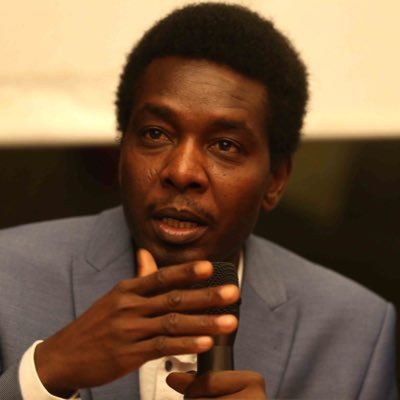
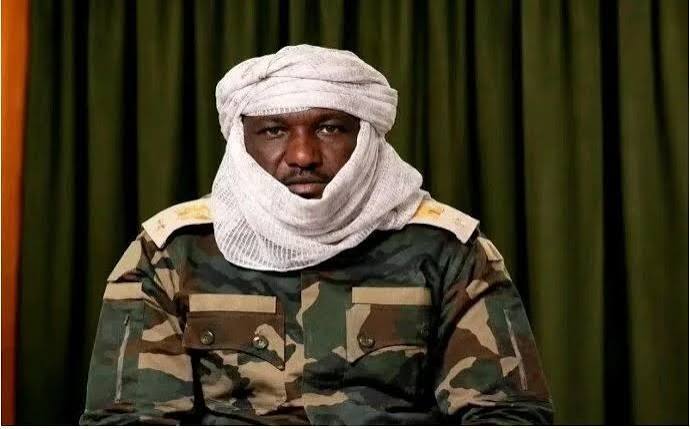
KHARTOUM – A commander in Sudan’s Rapid Support Forces (RSF) has announced his defection, renouncing his military duties and calling on fellow fighters to stop fighting and rally behind the Sudanese Armed Forces.
Lt. Col. Mohamed Ahmed al-Fanjari, commander of the RSF’s Special Tasks Group, said his decision followed what he described as an honest reassessment of the war and its consequences for Sudanese civilians.
Al-Fanjari described the conflict as “futile” and said it had resulted in widespread deaths, displacement and suffering across the country.
He also declared what he called his complete disavowal of violations committed against civilians, including attacks on lives, property and personal dignity, and apologized to Sudanese families affected by killings, displacement or other harm during the war.
In a recorded statement, Al-Fanjari urged RSF members to reconsider their positions and end their participation in the fighting.
He described the war as one “without a cause and without a future” and called on his former colleagues to “return to the embrace of the homeland and rally behind our armed forces.”
His announcement comes after a series of defections from the RSF since the war began in April 2023, involving field commanders, political and advisory figures and groups of fighters.
One of the most prominent was Abu Aqla Mohamed Ahmed Keikel, who broke with the RSF in October 2024 alongside forces from the Sudan Shield formation and joined the army.
Other reported defections have included field commanders Al-Nour Adam, known as Al-Nour al-Qubba, Ali Rizqallah Al-Savana and Bashara al-Huwaira, as well as groups of fighters.
In August, Sudanese authorities also announced that two RSF groups comprising 21 commanders, 270 personnel and 37 combat vehicles had defected, while another group led by Brig. Musa Khamsin was also reported to have left the force.
The defections have occurred alongside shifting front lines and reports of internal disagreements over command, influence and resources, as well as tribal tensions in some recruitment and deployment areas.
Al-Fanjari said his decision was, in his words, an “ethical and purely national position” aimed at preventing further Sudanese bloodshed.
He concluded his message by calling for an end to the fighting and for security and stability to return to Sudan.


