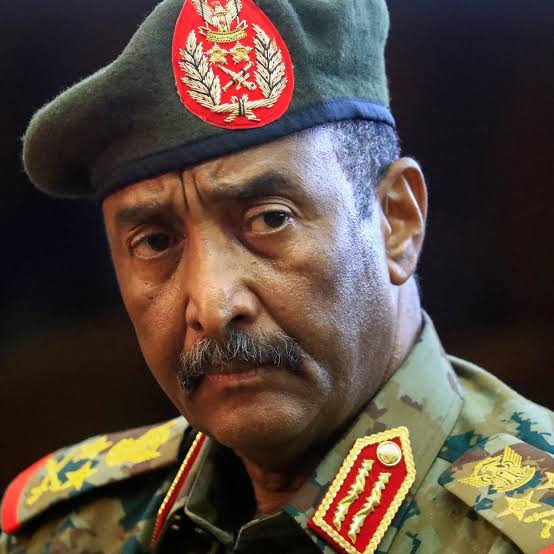
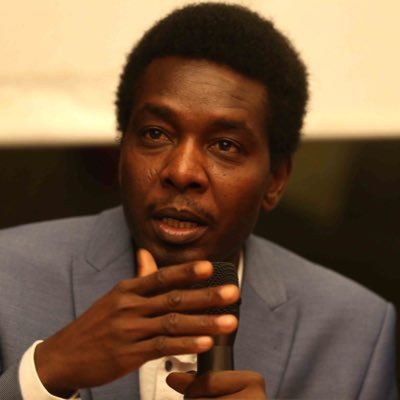
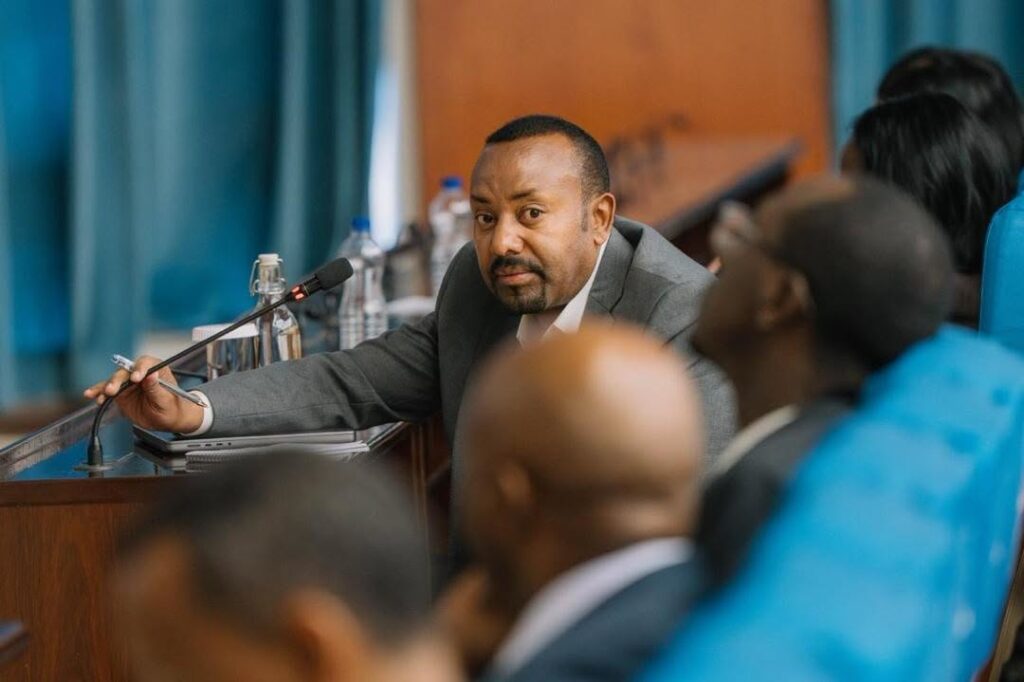
ADDIS ABABA – Ethiopian Prime Minister Abiy Ahmed has offered to host an inclusive dialogue bringing together Sudan’s military, political and civilian forces, saying the initiative is not intended to advance Ethiopia’s interests at the expense of any Sudanese party.
In a statement published on Nov. 23, Abiy said Ethiopia was prepared to host and facilitate talks aimed at ending the war and reaching a broad national consensus.
He said Addis Ababa would remain “at an equal distance from all parties” and provide a platform where Sudanese groups could discuss their differences and reach solutions through an independent national process.
The proposed talks would seek agreement on ending the war, launching an inclusive political process and determining arrangements for the next phase, including the formation of a broadly accepted national unity government, Abiy said.
He stressed that Ethiopia’s initiative had no separate political agenda and was not designed to secure gains for Addis Ababa or any Sudanese faction.
Abiy said Sudan’s future must ultimately be determined by Sudanese themselves, arguing that externally imposed solutions could not produce lasting peace.
He called on international and regional partners to support the initiative and increase humanitarian assistance for people affected by the conflict.
Ethiopia also offered to use its diplomatic relationships and regional influence to help bring Sudanese parties to the negotiating table.
The initiative comes at a period of heightened tension between the two neighbours.
Sudan has accused Ethiopia of allowing its territory to be used to launch drone attacks against Sudanese cities and infrastructure in support of the Rapid Support Forces. Khartoum has submitted complaints to the United Nations Security Council and the African Union.
Ethiopia has rejected the allegations as unfounded and has in turn accused Sudanese forces of violating its sovereignty and supporting armed groups inside Ethiopia.
Despite those tensions, Abiy described Sudan’s peace and stability as directly connected to Ethiopia’s own security and the stability of the wider Horn of Africa.