Introduction
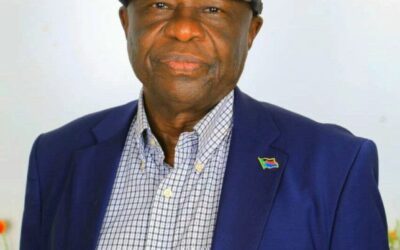
Abdelaziz Adam al-Hilu is a Sudanese political and military leader who serves as Chairman of the Sudan People’s Liberation Movement–North (SPLM-N) and Commander-in-Chief of its armed wing, the Sudan People’s Liberation Army–North (SPLA-N). He is one of Sudan’s longest-serving insurgent leaders and has played a prominent role in the country’s political and armed conflicts for more than four decades.
Al-Hilu first emerged as a senior commander within the original Sudan People’s Liberation Movement (SPLM) during Sudan’s second civil war. Following the independence of South Sudan in 2011, he became one of the principal leaders of SPLM-N, representing communities in South Kordofan and Blue Nile while advocating constitutional reform, equal citizenship and secular governance.
This profile examines Abdelaziz al-Hilu’s background, political career, military leadership, ideological positions and role in Sudan’s contemporary political landscape.
Early Life
Abdelaziz Adam al-Hilu was born in South Kordofan, Sudan, and belongs to the Nuba region, an area known for its ethnic and cultural diversity. He received his early education in Sudan before becoming involved in political activism during his youth.
His experiences in South Kordofan and the broader political environment of Sudan influenced his later involvement in the Sudan People’s Liberation Movement, where he became one of its leading commanders during the country’s prolonged civil war.
Education
Publicly available information about al-Hilu’s formal education is limited. Most published biographies focus on his political and military career rather than his academic background.
Before joining the armed movement, he is reported to have pursued higher education in Sudan, although detailed records regarding his studies have not been widely documented.
Political and Military Career
Al-Hilu joined the Sudan People’s Liberation Movement (SPLM) during Sudan’s second civil war and rose through its military and political ranks under the leadership of Dr. John Garang.
Over the following decades, he became one of the movement’s senior commanders, particularly in South Kordofan. He participated in both military operations and political negotiations associated with the conflict between the SPLM and successive Sudanese governments.
Following the Comprehensive Peace Agreement (CPA) in 2005, al-Hilu became an important political figure in South Kordofan, taking part in regional governance and elections before renewed conflict erupted in 2011.
Role in SPLM-N
After South Sudan gained independence in July 2011, al-Hilu became one of the principal leaders of the newly established Sudan People’s Liberation Movement–North (SPLM-N).
In 2017, following internal divisions within the movement, he was elected Chairman of SPLM-N and Commander-in-Chief of the Sudan People’s Liberation Army–North (SPLA-N). Since then, he has led the movement’s political strategy, peace negotiations and military organization.
Under his leadership, SPLM-N has remained an influential actor in Sudan’s political and security landscape while maintaining administrative structures in areas under its influence.
Political Vision
Abdelaziz al-Hilu has consistently advocated a political vision centred on equal citizenship, democratic governance and constitutional reform. He argues that Sudan’s long-running conflicts cannot be resolved solely through military agreements but require a fundamental restructuring of the relationship between the state and its citizens.
A central element of his political platform is the establishment of a civic state in which political rights and public institutions are based on citizenship rather than religious or ethnic identity. Al-Hilu has stated that constitutional reform should guarantee equal rights for all Sudanese regardless of religion, ethnicity, language or region.
Position on Secularism
Al-Hilu is widely known for advocating the separation of religion and the state as a cornerstone of Sudan’s future constitutional order. He has argued that secular governance provides the most effective framework for protecting religious freedom, ensuring equal citizenship and preventing discrimination.
This position has become one of the defining features of his negotiations with successive Sudanese governments. While supporters describe secularism as essential for achieving lasting peace and equality, critics have opposed the proposal on political, constitutional and religious grounds.
The issue remains one of the most debated subjects in Sudan’s constitutional dialogue.
Peace Negotiations
Throughout his leadership of SPLM-N, al-Hilu has participated in multiple rounds of negotiations with successive Sudanese governments under the mediation of regional and international organizations.
These negotiations have addressed ceasefire arrangements, humanitarian access, constitutional reform, governance, security arrangements and the political future of South Kordofan and Blue Nile. Although periods of progress have been reported, fundamental disagreements over constitutional principles and state structure have prevented a comprehensive settlement.
Al-Hilu has repeatedly stated that addressing the root causes of Sudan’s conflicts is essential to achieving a sustainable peace.
Role During the Sudan War
Since the outbreak of armed conflict between the Sudanese Armed Forces (SAF) and the Rapid Support Forces (RSF) in April 2023, al-Hilu has remained one of Sudan’s most influential political and military leaders.
As Chairman of SPLM-N, he has continued to oversee the movement’s political strategy, military organization and engagement with regional and international mediation efforts. His public statements have focused on constitutional reform, civilian protection and the future political structure of Sudan.
His role has attracted increased regional and international attention as political initiatives aimed at ending the conflict have continued to evolve.
International Engagement
Al-Hilu has met representatives of the United Nations, the African Union, diplomatic missions and international humanitarian organizations as part of peace negotiations and discussions concerning humanitarian access.
His participation in internationally mediated talks has made him one of the most recognized Sudanese political leaders outside the country. International organizations frequently identify him as a principal stakeholder in discussions concerning conflict resolution in South Kordofan, Blue Nile and Sudan’s broader political transition.
Public Image
Supporters describe al-Hilu as a consistent advocate for constitutional reform, equal citizenship and the rights of marginalized communities. They argue that his political positions have remained largely consistent over several decades.
Critics, however, have questioned the movement’s continued reliance on armed struggle and have expressed differing views regarding its political objectives and negotiation strategy.
Political analysts generally regard al-Hilu as one of Sudan’s most influential opposition figures whose role extends beyond military leadership to include constitutional and political debates concerning the future of the Sudanese state.
Political Positions
Throughout his public career, Abdelaziz al-Hilu has argued that Sudan’s recurring conflicts stem from structural political and constitutional challenges rather than purely military disputes. He has consistently called for reforms aimed at establishing a democratic political system based on equal citizenship and the rule of law.
His political agenda has emphasized decentralization, greater regional autonomy, protection of cultural and linguistic diversity and constitutional guarantees for fundamental rights. He has also advocated broad national dialogue involving political parties, armed movements and civil society organizations as part of any long-term political settlement.
Challenges
As leader of SPLM-N, al-Hilu has faced numerous political and military challenges, including prolonged armed conflict, humanitarian crises and repeated interruptions to peace negotiations.
His leadership has required balancing military objectives with political engagement while responding to changing developments within Sudan’s political landscape. The movement has also faced logistical, administrative and humanitarian challenges in areas affected by conflict.
Political observers note that future developments in Sudan’s peace process will continue to shape both al-Hilu’s leadership and the movement’s political influence.
Legacy and Influence
Abdelaziz al-Hilu is widely regarded as one of the most influential political and military figures in modern Sudan. Over more than four decades, he has remained a prominent participant in debates concerning constitutional reform, governance, regional autonomy and national identity.
His influence extends beyond military leadership through his participation in peace negotiations, constitutional discussions and regional diplomacy. Regardless of differing political perspectives, analysts generally consider him one of the principal actors in Sudan’s contemporary political history.
His long-term legacy will largely depend on future political developments, the outcome of peace efforts and Sudan’s broader constitutional transformation.
Timeline
1980s – Joins the Sudan People’s Liberation Movement (SPLM).
2005 – Participates in the implementation period following the Comprehensive Peace Agreement (CPA).
2011 – Becomes one of the principal leaders of SPLM-N after South Sudan’s independence.
2011 – Armed conflict resumes in South Kordofan.
2017 – Elected Chairman of SPLM-N following an internal leadership split.
2020–2022 – Participates in negotiations with Sudan’s transitional authorities.
2023 – Continues leading SPLM-N during the outbreak of the Sudan war.
2025 – Participates in political initiatives including the Nairobi Declaration and the Ta’sis Alliance.
Frequently Asked Questions
Who is Abdelaziz al-Hilu?
Abdelaziz Adam al-Hilu is a Sudanese political and military leader who serves as Chairman of the Sudan People’s Liberation Movement–North (SPLM-N) and Commander-in-Chief of SPLA-N.
What is Abdelaziz al-Hilu known for?
He is known for leading SPLM-N, advocating constitutional reform and participating in peace negotiations concerning South Kordofan, Blue Nile and Sudan’s broader political future.
Where is Abdelaziz al-Hilu from?
He is from South Kordofan in Sudan.
What organization does Abdelaziz al-Hilu lead?
He leads the Sudan People’s Liberation Movement–North (SPLM-N).
What are Abdelaziz al-Hilu’s political views?
He advocates equal citizenship, democratic governance, constitutional reform, decentralization and the separation of religion and the state.
Has Abdelaziz al-Hilu participated in peace negotiations?
Yes. He has participated in numerous peace negotiations with successive Sudanese governments under regional and international mediation.
What role does Abdelaziz al-Hilu play in the current Sudan conflict?
He remains one of Sudan’s principal political and military leaders, overseeing SPLM-N’s political strategy and participation in mediation initiatives while leading the movement during the ongoing conflict.
Sources
This profile is based on publicly available information from:
• Official statements by the Sudan People’s Liberation Movement–North (SPLM-N)
• Government of Sudan statements
• United Nations (UN)
• African Union (AU)
• Intergovernmental Authority on Development (IGAD)
• International Crisis Group (ICG)
• Small Arms Survey
• Rift Valley Institute
• Human Rights Watch (HRW)
• Amnesty International
• SIPRI (Stockholm International Peace Research Institute)
• Chatham House
• United States Institute of Peace (USIP)
• Encyclopaedia Britannica
• Academic books and peer-reviewed research on Sudan’s political history
Related Profiles
- Kamil Idris
- Abdel Fattah al-Burhan
- Mohamed Hamdan Dagalo (Hemedti)
- Malik Agar
- Minni Arko Minnawi
- Jibril Ibrahim
Related Explainers
- Sudan People’s Liberation Movement–North (SPLM-N)
- Sudan War Explained
- Sudan Conflict Timeline
- Juba Peace Agreement
- Comprehensive Peace Agreement (CPA)
- Kordofan
- Sudan Humanitarian Crisis