Introduction
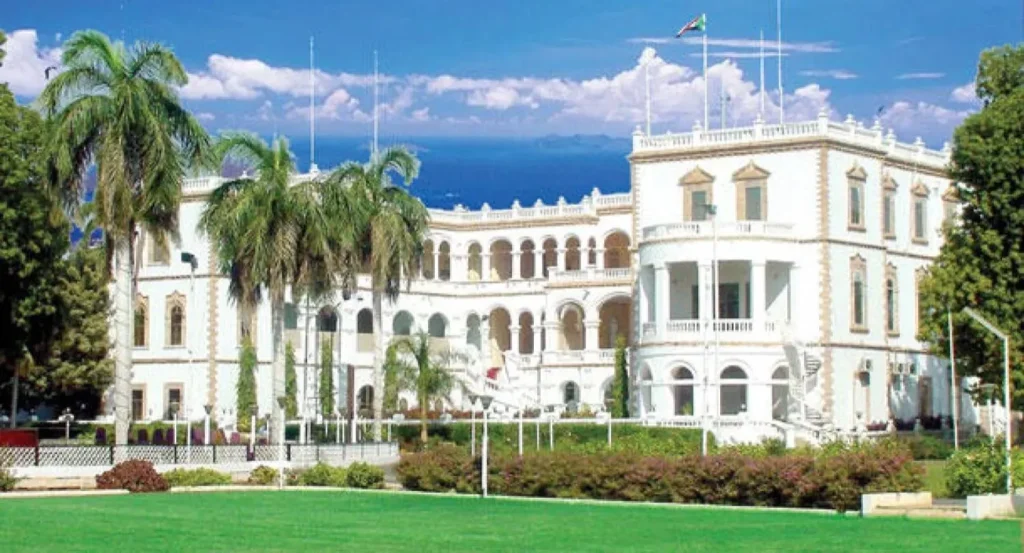
The Government of Sudan is the executive authority responsible for administering the Republic of the Sudan and implementing national laws, public policies and state institutions. During the country’s current transitional period, the structure and functions of government are defined by the Constitutional Declaration and its subsequent amendments.
The Government operates through a system that includes the Sovereignty Council as the head of state, the Council of Ministers as the executive authority and other constitutional institutions established under the transitional framework. Its responsibilities include public administration, national security, economic policy, foreign relations and the delivery of public services.
Since Sudan’s political transition began in 2019, the structure of government has undergone significant changes as a result of constitutional amendments, political agreements and the armed conflict that began in April 2023. Despite these developments, the Government of Sudan remains the internationally recognized authority representing the Sudanese state.
Overview
Sudan is administered through a transitional system of government established under the Constitutional Declaration of 2019 and later amendments. The framework defines the principal institutions of the state, including the Sovereignty Council, the Council of Ministers and other constitutional bodies.
The executive branch is responsible for implementing national policy, supervising government ministries, preparing the national budget, maintaining public administration and coordinating state institutions. Depending on constitutional developments and political agreements, the structure of government may evolve during the transitional period.
Constitutional Framework
The legal basis of Sudan’s current system of government is the Constitutional Declaration signed in August 2019, together with subsequent amendments adopted during the transitional period. The declaration defines the institutions of government, their respective powers and the relationship between the executive, legislative and judicial authorities.
It also establishes different levels of government at the federal, state and local levels, while providing the legal framework for political transition, public administration and constitutional reform.
Executive Branch
The executive branch is responsible for implementing national laws, administering public institutions and directing government policy. During Sudan’s transitional period, executive authority has been exercised through the Council of Ministers in accordance with the Constitutional Declaration and subsequent amendments.
The executive is responsible for national planning, economic management, foreign affairs, public administration, internal security and the implementation of legislation. Government ministries and specialized agencies operate under its supervision, each with responsibilities assigned by law.
The organization and composition of the executive branch may change through constitutional amendments, political agreements or the appointment of new governments during the transitional period.
The Sovereignty Council
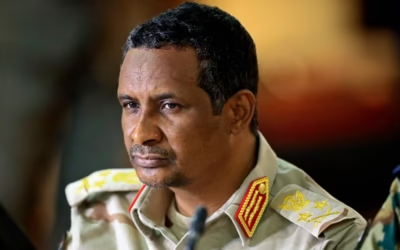
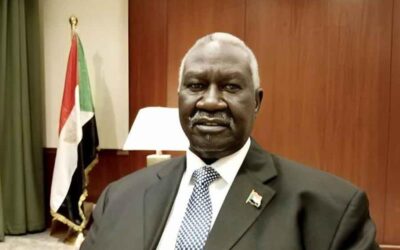
The Sovereignty Council serves as Sudan’s collective head of state during the transitional period. Established under the Constitutional Declaration of 2019, the Council exercises constitutional functions that include representing the state, appointing senior officials in accordance with constitutional procedures and performing other duties assigned by law.
The composition and responsibilities of the Sovereignty Council have evolved through political agreements and constitutional amendments adopted during the transition. Its role is intended to provide continuity of state institutions while Sudan moves toward a permanent constitutional order.
The Prime Minister
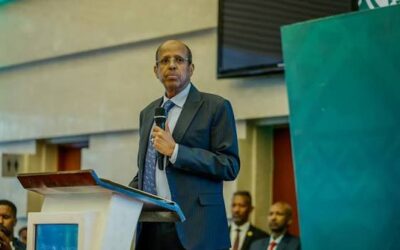
The Prime Minister serves as the head of government and is responsible for leading the executive branch, coordinating the work of ministries and implementing government policy.
The office oversees national administration, prepares government programmes and supervises public institutions. The powers and appointment procedures of the Prime Minister are determined by the Constitutional Declaration and applicable constitutional arrangements.
During Sudan’s political transition, the office has undergone significant changes reflecting developments in the country’s constitutional and political process.
Council of Ministers
The Council of Ministers is the principal executive body responsible for managing the daily affairs of government. It consists of the Prime Minister and ministers responsible for specific policy areas such as finance, foreign affairs, justice, health, education, agriculture, defence and other government portfolios.
The Council develops national policies, prepares draft legislation, oversees implementation of government programmes and coordinates the work of ministries and public agencies.
Individual ministries are responsible for implementing sector-specific policies while remaining accountable under the national legal framework.
Legislative Authority
Under the Constitutional Declaration, Sudan’s transitional framework provides for a Transitional Legislative Council to perform legislative functions, oversee the executive branch and represent different components of Sudanese society.
The establishment and operation of the legislative authority have been affected by political developments during the transition. As a result, several legislative responsibilities have been exercised through constitutional procedures established under transitional arrangements.
A permanent legislative framework is expected to form part of Sudan’s future constitutional settlement.
Judiciary
Sudan’s judiciary is responsible for interpreting and applying the law, protecting constitutional rights and ensuring the administration of justice.
The judicial system includes courts of different levels with jurisdiction over civil, criminal, administrative and constitutional matters. Judicial independence is recognized as a fundamental principle within Sudan’s constitutional framework.
Reform of judicial institutions has remained an important component of political discussions concerning Sudan’s transition, governance and rule of law.
Federal and State Government
Sudan is administratively divided into states, each with its own system of local governance operating within the national constitutional framework.
State governments are responsible for delivering public services, implementing national policies at the regional level and managing local administration. Their responsibilities include education, healthcare, infrastructure, agriculture and local economic development, subject to national legislation.
The relationship between the federal government and state authorities has been a recurring issue in Sudan’s constitutional debates, particularly regarding decentralization and the distribution of powers.
Local Government
Local government forms the third level of public administration in Sudan after the federal and state governments. It is responsible for delivering essential public services at the community level and implementing national and state policies within local jurisdictions.
Local authorities oversee municipal administration, public sanitation, local infrastructure, markets, primary education, public health initiatives and community development programmes. Their responsibilities are defined by national legislation and state-level administrative regulations.
Strengthening local government has been a recurring objective of constitutional and governance reforms aimed at improving public service delivery and increasing citizen participation in local decision-making.
Government Ministries
The Government of Sudan carries out its executive responsibilities through ministries and specialized public institutions. Each ministry is responsible for developing and implementing policies within its assigned sector.
Major ministries typically include Foreign Affairs, Finance and Economic Planning, Justice, Defence, Interior, Health, Education, Agriculture, Energy, Transport, Higher Education, Culture, Information and other portfolios established by law.
The number, structure and responsibilities of ministries may change as governments are formed or administrative reforms are introduced.
Foreign Policy
The Government of Sudan is responsible for conducting the country’s foreign relations and representing Sudan in international organizations and diplomatic affairs.
Foreign policy is implemented primarily through the Ministry of Foreign Affairs in coordination with the Head of State and the executive branch. Sudan maintains diplomatic relations with countries around the world and is a member of the United Nations (UN), the African Union (AU), the League of Arab States, the Intergovernmental Authority on Development (IGAD), the Organization of Islamic Cooperation (OIC) and other international organizations.
The priorities of Sudan’s foreign policy have evolved over time in response to political transitions, regional developments and changing international relations.
Defence and Security Institutions
Sudan’s national security system consists of several institutions established under the Constitution and national legislation.
The Sudanese Armed Forces (SAF) are responsible for defending the country’s sovereignty and territorial integrity. Other institutions include law enforcement agencies, intelligence bodies and specialized security organizations responsible for maintaining public order and national security within their respective legal mandates.
The organization and reform of Sudan’s security sector have been central issues in political negotiations, constitutional discussions and peace agreements during the country’s transitional period.
Government During the Sudan War
Since the outbreak of armed conflict between the Sudanese Armed Forces (SAF) and the Rapid Support Forces (RSF) in April 2023, the Government of Sudan has continued to function under extraordinary circumstances.
The conflict has affected government institutions, public administration and the delivery of services across many parts of the country. Several ministries and public agencies have relocated or adjusted their operations in response to security developments, while efforts to maintain essential government functions have continued.
The conflict has also influenced constitutional arrangements, public finances, humanitarian coordination and Sudan’s diplomatic engagement with regional and international partners.
Political Transition
Sudan’s current political transition began following the 2019 revolution, which resulted in the establishment of a transitional constitutional framework intended to guide the country toward democratic governance.
The transition has included constitutional reforms, political agreements, peace negotiations and institutional restructuring. Progress has been affected by political disagreements, changes in government and the outbreak of armed conflict in 2023.
The future structure of Sudan’s government is expected to be determined through a permanent constitutional process and nationally agreed political arrangements.
Current Challenges
The Government of Sudan faces a range of political, economic, humanitarian and security challenges.
These include restoring stability, strengthening state institutions, supporting economic recovery, improving public services, addressing humanitarian needs, implementing governance reforms and advancing efforts toward a sustainable political settlement.
International organizations continue to emphasize that long-term stability will depend on effective institutions, inclusive political dialogue, constitutional reform and lasting peace.
Timeline
2019 – Sudan’s Constitutional Declaration establishes a transitional framework for government following the political transition.
2020 – The Juba Peace Agreement introduces constitutional amendments affecting state institutions and governance.
2021 – Political developments reshape Sudan’s transitional institutions and executive authority.
2023 – Armed conflict between the Sudanese Armed Forces (SAF) and the Rapid Support Forces (RSF) significantly affects government operations and public administration.
2025 – A civilian-led government is formed under Prime Minister Kamil Idris as part of efforts to restore executive institutions.
Present – The Government of Sudan continues to operate under transitional constitutional arrangements while addressing conflict, humanitarian challenges and institutional reform.
Frequently Asked Questions
What is the Government of Sudan?
The Government of Sudan is the executive authority responsible for administering the Republic of the Sudan, implementing national laws and managing public institutions.
Who is the head of government in Sudan?
The Prime Minister serves as the head of government and leads the executive branch.
What is the Sovereignty Council?
The Sovereignty Council is the collective head of state established under Sudan’s transitional constitutional framework.
How is Sudan governed?
Sudan is administered through a federal system consisting of the national government, state governments and local authorities operating under the Constitutional Declaration and applicable laws.
How many states does Sudan have?
Sudan is administratively divided into 18 states.
What are the main branches of government?
Sudan’s constitutional framework recognizes executive, legislative and judicial authorities.
What is the role of the Council of Ministers?
The Council of Ministers develops government policy, supervises ministries and oversees the implementation of national programmes.
Has the Sudan war affected the government?
Yes. The conflict that began in April 2023 has significantly affected public administration, government institutions and the delivery of services across many parts of the country.
Sources
This guide is based on publicly available information from:
• Constitutional Declaration of Sudan (2019) and subsequent amendments
• Government of Sudan
• Ministry of Justice of Sudan
• United Nations (UN)
• African Union (AU)
• Intergovernmental Authority on Development (IGAD)
• World Bank
• International Monetary Fund (IMF)
• African Development Bank (AfDB)
• Encyclopaedia Britannica
• Academic publications on Sudan’s constitutional and political system
Further Reading
• Sovereignty Council of Sudan
• Sudan Conflict Timeline
• Comprehensive Peace Agreement (CPA)
• Constitution of Sudan
Related Explainers
- Sovereignty Council of Sudan
- Sudan War Explained
- Sudan Conflict Timeline
- Juba Peace Agreement
- Comprehensive Peace Agreement (CPA)
- Geography of Sudan
- History of Sudan