Introduction
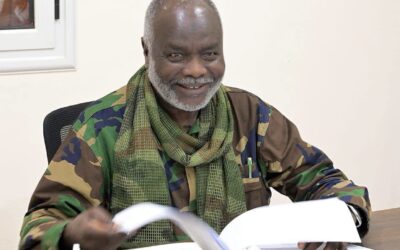
Dr. Jibril Ibrahim Mohamed is a Sudanese politician, economist and former rebel leader who serves as Sudan’s Minister of Finance and Economic Planning. He is also Chairman of the Justice and Equality Movement (JEM), one of the principal armed movements that emerged during the Darfur conflict.
Jibril became leader of JEM in 2012 following the death of his brother and the movement’s founder, Dr. Khalil Ibrahim. Since then, he has played a prominent role in Sudan’s peace negotiations, political transition and national governance.
Following the signing of the Juba Peace Agreement in 2020, Jibril joined Sudan’s transitional government and was appointed Minister of Finance. He has since overseen fiscal policy, economic reforms, public finance and Sudan’s engagement with international financial institutions during a period marked by significant political and economic challenges.
Early Life
Jibril Ibrahim Mohamed was born in North Darfur, Sudan, where he spent his early years before pursuing higher education.
He belongs to the Zaghawa community, one of the major ethnic groups in Darfur, and grew up during a period of political and economic transformation in Sudan.
His early academic interests focused on economics, a field that would later shape both his political career and his responsibilities in government.
Education
Jibril Ibrahim studied economics and later earned advanced academic qualifications in the field.
Before entering full-time political leadership, he worked as an academic and researcher, contributing to teaching and economic studies.
His background in economics has remained a defining feature of his public career, particularly after assuming responsibility for Sudan’s Ministry of Finance.
Justice and Equality Movement (JEM)
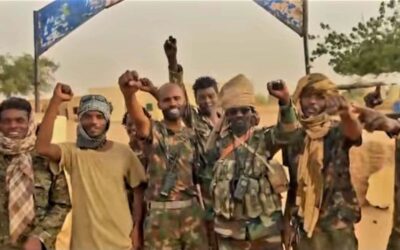
The Justice and Equality Movement (JEM) emerged in the early 2000s as one of the principal armed groups involved in the Darfur conflict.
After the death of the movement’s founder, Dr. Khalil Ibrahim, in 2011, Jibril Ibrahim became Chairman of JEM in 2012.
Under his leadership, the movement continued participating in political negotiations while maintaining its organizational and military structures. JEM later became one of the principal signatories to the Juba Peace Agreement.
Leadership of JEM
As Chairman of the Justice and Equality Movement, Jibril has represented the movement in regional and international peace negotiations concerning Darfur and Sudan’s wider political transition.
His leadership has focused on political participation, implementation of peace agreements, institutional reform and regional development.
JEM under Jibril Ibrahim has increasingly shifted from armed opposition toward participation in national political institutions following the Juba Peace Agreement.
Role in the Juba Peace Agreement
Jibril Ibrahim played a central role in the negotiations that led to the Juba Peace Agreement, signed on 3 October 2020.
As Chairman of the Justice and Equality Movement (JEM), he participated in discussions covering power sharing, security arrangements, wealth sharing, regional governance, transitional justice and the return of displaced persons.
The agreement integrated JEM into Sudan’s transitional political institutions and paved the way for its participation in the national government.
Jibril has consistently described the agreement as a framework for addressing the root causes of conflict while emphasizing the importance of implementing its provisions through cooperation among all signatory parties.
Minister of Finance and Economic Planning
Following the implementation of the Juba Peace Agreement, Jibril Ibrahim was appointed Minister of Finance and Economic Planning in 2021.
As finance minister, he became responsible for preparing the national budget, managing public finances, supervising fiscal policy and coordinating Sudan’s economic relations with international financial institutions.
His tenure has coincided with one of the most challenging economic periods in Sudan’s modern history, including high inflation, currency instability, declining public revenues and the economic consequences of prolonged political instability and armed conflict.
Economic Policies
As Minister of Finance, Jibril Ibrahim has focused on restoring macroeconomic stability while maintaining essential government services under difficult fiscal conditions.
His ministry has worked on tax administration, customs reform, public expenditure management, external financing, investment promotion and support for productive sectors of the economy.
He has also overseen negotiations with regional and international financial partners regarding economic cooperation, humanitarian financing and development assistance.
Economic analysts have noted that many of the ministry’s policies have been implemented amid exceptional political and security challenges, limiting the government’s fiscal capacity.
Role During the Sudan War
Since the outbreak of armed conflict between the Sudanese Armed Forces (SAF) and the Rapid Support Forces (RSF) in April 2023, Jibril Ibrahim has remained a senior member of Sudan’s government.
He has continued overseeing the Ministry of Finance while participating in government discussions concerning wartime economic management, humanitarian financing and reconstruction planning.
He has also represented Sudan in regional and international meetings addressing economic cooperation, humanitarian assistance and the country’s financial requirements during the conflict.
Political Positions
Throughout his political career, Jibril Ibrahim has advocated constitutional government, regional development and greater political representation for Sudan’s marginalized regions.
His public positions have generally emphasized:
• Implementation of the Juba Peace Agreement.
• Economic reform and fiscal stability.
• Institutional development.
• Federal governance.
• National dialogue.
• Protection of Sudan’s state institutions.
• Reconstruction and post-conflict recovery.
He has repeatedly argued that sustainable peace requires both political reform and long-term economic development.
Criticism and Controversies
Like many senior Sudanese political figures, Jibril Ibrahim has been the subject of political debate throughout his career.
Supporters credit him with transforming the Justice and Equality Movement from an armed movement into a participant in national political institutions and highlight his role in peace negotiations and government administration.
Critics have questioned aspects of Sudan’s economic policies during his tenure as finance minister, the pace of implementation of the Juba Peace Agreement and the broader performance of Sudan’s transitional institutions.
Political analysts generally regard Jibril Ibrahim as one of Sudan’s most influential political leaders because of his combined roles in armed movements, peace negotiations and national economic policy.
International Engagement
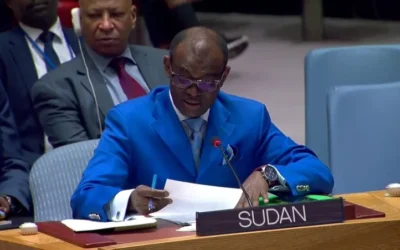
As both Chairman of the Justice and Equality Movement and Minister of Finance, Jibril Ibrahim has represented Sudan in meetings with the United Nations, African Union, Intergovernmental Authority on Development (IGAD), Arab League, World Bank, International Monetary Fund and other regional and international partners.
His diplomatic engagements have focused on economic cooperation, peace implementation, humanitarian assistance, investment and regional stability.
He has also participated in international conferences concerning Sudan’s economic recovery and post-conflict reconstruction.
Legacy and Influence
Jibril Ibrahim has become one of the most prominent political figures in Sudan through his leadership of the Justice and Equality Movement and his role in national government.
His career spans armed opposition, peace negotiations and executive responsibility for Sudan’s economic policy.
Whether viewed as a political leader, economist or government minister, he has played an important role in shaping discussions on Sudan’s peace process, fiscal policy and political transition during the past two decades.
Timeline
2001 – Becomes one of the senior political leaders of the Justice and Equality Movement (JEM).
2011 – Dr. Khalil Ibrahim, founder of JEM, is killed during the conflict in North Kordofan.
2012 – Elected Chairman of the Justice and Equality Movement.
2019 – Participates in negotiations following Sudan’s political transition.
2020 – Signs the Juba Peace Agreement as leader of JEM.
2021 – Appointed Minister of Finance and Economic Planning.
2022 – Continues leading fiscal and economic policy during Sudan’s transitional period.
2023 – Remains Minister of Finance following the outbreak of the conflict between the Sudanese Armed Forces (SAF) and the Rapid Support Forces (RSF).
Present – Continues serving as Minister of Finance while leading the Justice and Equality Movement.
Frequently Asked Questions
Who is Jibril Ibrahim?
Jibril Ibrahim Mohamed is a Sudanese politician, economist and Chairman of the Justice and Equality Movement (JEM). He also serves as Sudan’s Minister of Finance and Economic Planning.
What is Jibril Ibrahim known for?
He is known for leading the Justice and Equality Movement, signing the Juba Peace Agreement and serving as Sudan’s finance minister.
Where is Jibril Ibrahim from?
He was born in North Darfur, Sudan.
What political movement does he lead?
He is Chairman of the Justice and Equality Movement (JEM).
When did Jibril Ibrahim become Minister of Finance?
He was appointed Minister of Finance and Economic Planning in 2021 following implementation of the Juba Peace Agreement.
Did Jibril Ibrahim sign the Juba Peace Agreement?
Yes. He signed the agreement on behalf of the Justice and Equality Movement in October 2020.
What is his role during the Sudan war?
He has continued serving as Minister of Finance, overseeing public finances and representing Sudan in regional and international economic discussions during the conflict.
Sources
This profile is based on publicly available information from:
• Ministry of Finance and Economic Planning of Sudan
• Justice and Equality Movement (JEM)
• Government of Sudan
• Juba Peace Agreement
• United Nations (UN)
• African Union (AU)
• Intergovernmental Authority on Development (IGAD)
• World Bank
• International Monetary Fund (IMF)
• International Crisis Group (ICG)
• United States Institute of Peace (USIP)
• Encyclopaedia Britannica
• Academic publications on Sudanese politics and the Darfur conflict
Further Reading
• Justice and Equality Movement (JEM)
• Darfur