

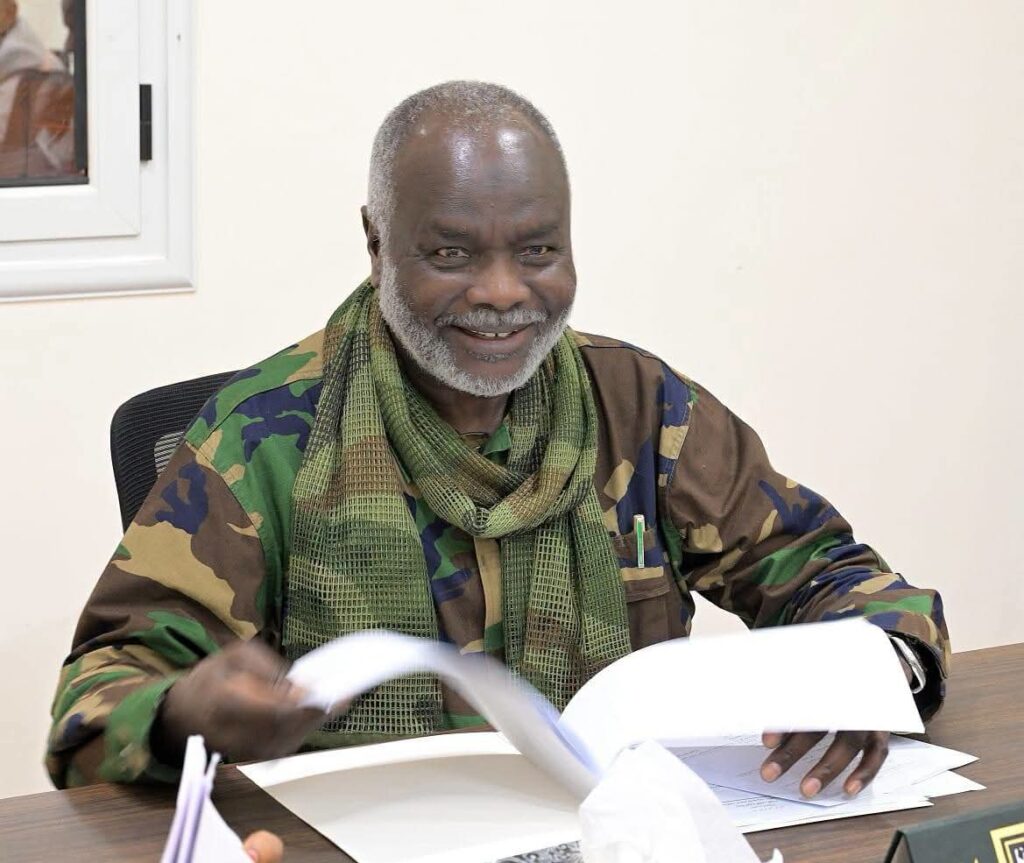
KHARTOUM – Sudan’s Finance Minister and Justice and Equality Movement leader Jibril Ibrahim called for the full integration of all armed formations into a single national military institution, saying the country needs one unified army to protect the state, constitution, unity and sovereignty.
Speaking on the 72nd anniversary of the Sudanese Armed Forces, Ibrahim said “the full integration of all armed formations” was necessary to build one national army with a clear constitutional mandate to defend Sudan and preserve its unity.
He said the Finance Ministry places the army, regular forces and the war effort among its top priorities, adding that the ministry would continue to support them according to available resources.
“The ministry stands with the armed forces in the trenches and in the accounts,” Ibrahim said, stressing that financial and institutional support would continue until what he described as victory is achieved.
Ibrahim also said the Justice and Equality Movement and the Joint Force stand alongside the army, regular forces and allied formations in ongoing military operations. He said fighting would continue until all areas held by the Rapid Support Forces (RSF) are restored to state control.
He praised what he described as recent military gains by the army, improvements in its planning, equipment and air capabilities, and its coordination with allied forces and other regular institutions.
Ibrahim warned against repeating the experience of the RSF, calling for a restructuring of state and military institutions to prevent gaps that could allow armed groups or hostile actors to exploit the system in the future.
His remarks come as Sudan’s war, which erupted in April 2023, continues with the army fighting alongside the Joint Force, allied armed movements, popular resistance groups and other supporting formations. The conflict has intensified debate over the future of armed groups and the need for security and military reform in any post-war political settlement.
The question of integrating armed formations into a unified national army has long been central to Sudan’s political transitions, including after peace agreements with armed movements in Darfur and other regions. The rise of the RSF as a powerful parallel force before the war has made the issue one of the most sensitive questions facing the Sudanese state.


