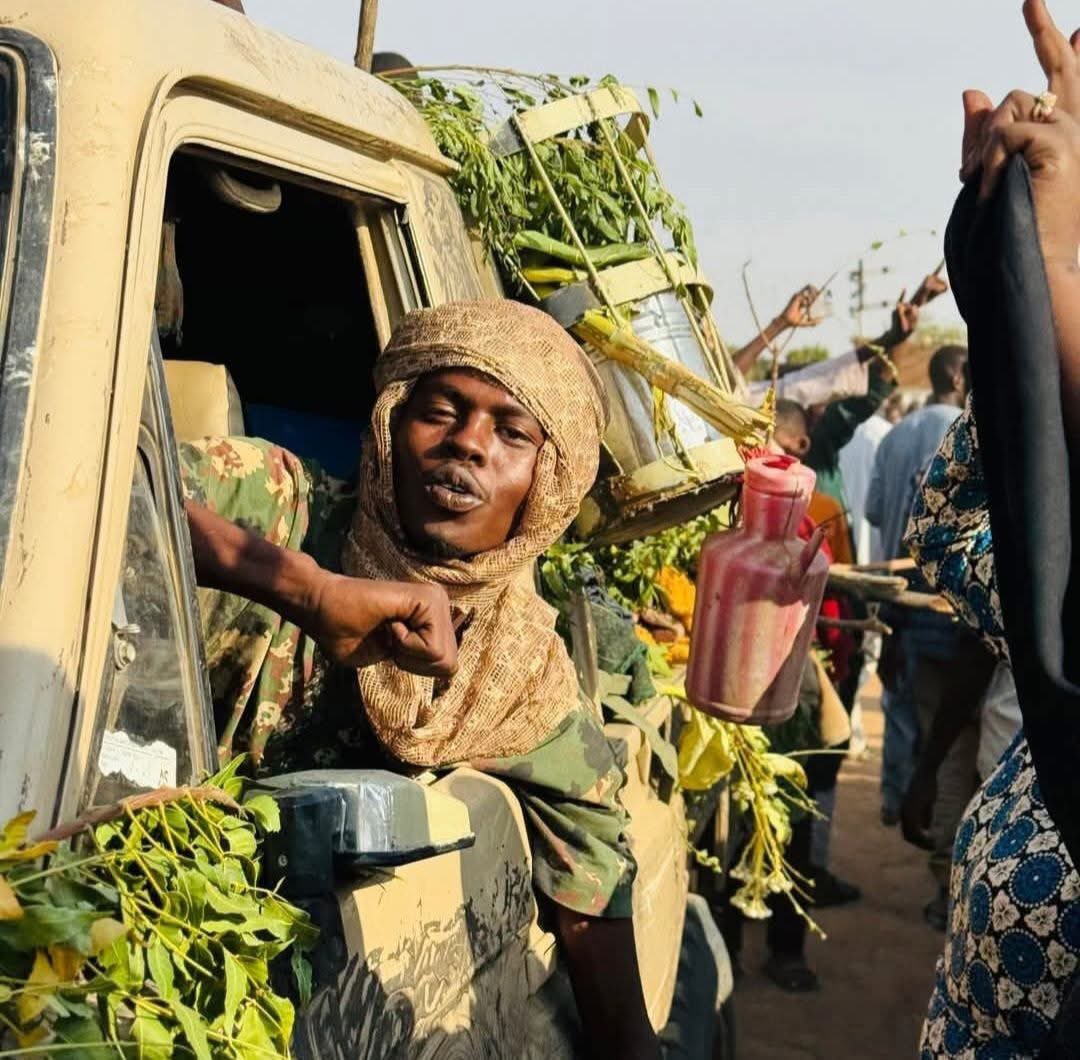

CAIRO – Egypt and Saudi Arabia reaffirmed their support for Sudan’s security, stability and territorial integrity, rejecting any attempt to equate the Sudanese Armed Forces (SAF) with militias or parallel entities they described as illegitimate.
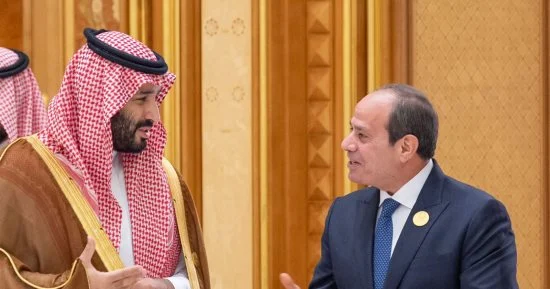
The position was announced following talks in Cairo between Egyptian President Abdel Fattah al-Sisi and Saudi Crown Prince and Prime Minister Mohammed bin Salman, during the crown prince’s working visit to Egypt.
According to a statement from the Egyptian presidency, the two leaders stressed the need to preserve the exclusive authority of Sudan’s national institutions and said any threat to Sudan’s unity and territorial integrity represented a danger to the collective security of Egypt, Saudi Arabia and the wider region.
The statement did not explicitly name the Rapid Support Forces (RSF), but rejected placing the Sudanese army on an equal footing with militias or what it described as illegitimate parallel entities. The SAF and RSF have been at war since April 2023.
The Egyptian-Saudi position comes amid continuing political and military fragmentation in Sudan and the emergence of parallel governing structures associated with the RSF and its allies.
Cairo and Riyadh have rejected steps they view as threatening Sudan’s territorial unity and have repeatedly expressed support for the country’s sovereignty and national institutions.
Egypt has previously opposed political approaches that it says equate Sudanese state institutions with armed groups.
Saudi Arabia, meanwhile, has played a central diplomatic role in attempts to halt the war, including hosting the Jeddah talks between representatives of the SAF and RSF. The talks produced commitments on civilian protection and humanitarian access but failed to secure a lasting ceasefire.
The latest position also comes amid wider international debate over Sudan’s political future, including proposals for dialogue, ceasefires and measures aimed at curbing weapons flows to the warring parties.
Sudan’s conflict has caused tens of thousands of deaths and displaced millions of people, while successive regional and international mediation efforts have failed to produce a permanent ceasefire or comprehensive political settlement.
The talks between Al-Sisi and Mohammed bin Salman also addressed regional developments, including security of navigation in the Red Sea and Bab al-Mandab, as well as bilateral political and economic cooperation.