
Al Fashir – Sudan Now | 27 April 2026
A human rights report issued by the Sudan Doctors Network revealed a severe deterioration in the humanitarian and health conditions in Al Fashir, the capital of North Darfur State, following months of control by the RSF, documenting the detention of around 2,377 people in conditions described as lacking the most basic humanitarian standards.
The report, which covers the period from January to April 2026, stated that the detainees include 1,470 civilians, among them 426 children and 370 women, in addition to 907 military personnel, held across various detention sites including Shala Prison, the Children’s Hospital, the land port, and sealed containers.
The report noted the detention of 22 doctors, including four female physicians, further worsening the already fragile health sector amid shortages of staff and medical resources.
According to the report, the network also documented abuses inside detention centers, including deaths under torture and ethnically motivated executions, citing the killing of 16 civilians inside the dormitories of the University of Al Fashir last February.
The report also documented a cholera outbreak inside detention sites, where more than 300 deaths were recorded over a two-month period, amid severe shortages of food, clean water, and medical care, in addition to wounded detainees suffering from injuries caused by shelling without adequate treatment.
The network said the health situation in the city is nearing total collapse, noting that bodies are being left for periods inside detention sites before being buried by detainees.
The Sudan Doctors Network called on the international community and human rights organizations to intervene urgently to stop the abuses, secure the release of civilians and medical personnel, and provide safe corridors for the delivery of humanitarian and medical assistance.
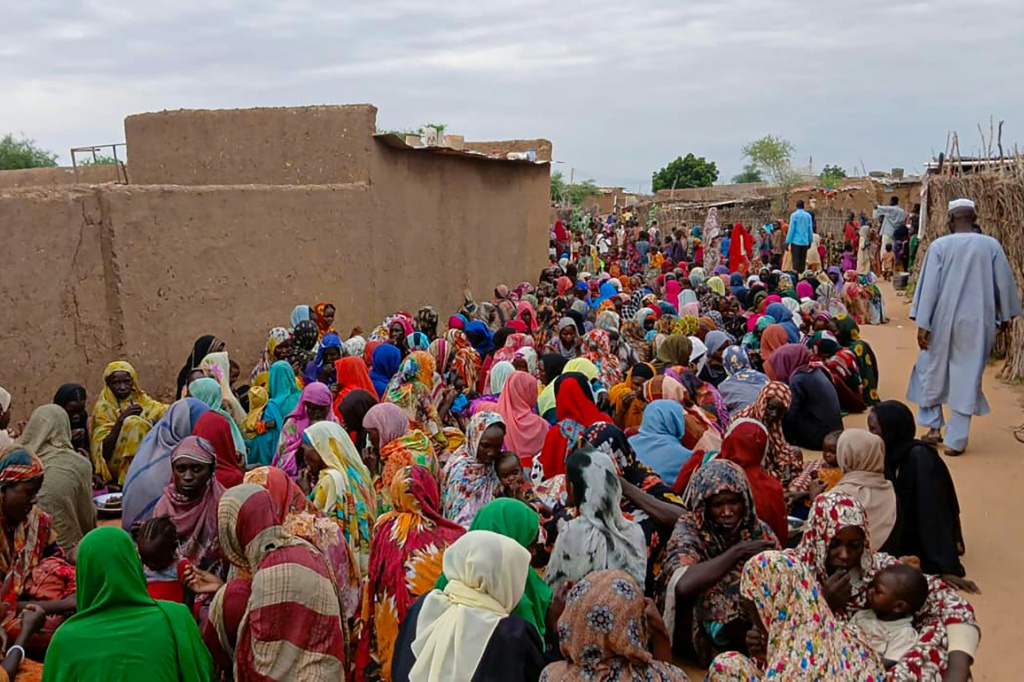
Al Fashir has been facing deteriorating humanitarian conditions since the escalation of military operations in the Darfur region, with rising numbers of casualties and displaced people, alongside the collapse of basic services.
Human rights and medical organizations have warned of a worsening health crisis in conflict-affected areas amid ongoing fighting and difficulties in delivering aid, raising fears of a broader humanitarian catastrophe.