
Khartoum – Sudan Now
Sexual violence has emerged as one of the most devastating and least addressed consequences of Sudan’s ongoing war, with rights advocates warning that survivors continue to face abuse, stigma and a lack of justice more than two years after the conflict began.
In an opinion article published by The Guardian, Hala Alkarib, director of the Strategic Initiative for Women in the Horn of Africa (SIHA), described what she called a pattern of systematic sexual violence that has accompanied successive conflicts in Sudan and intensified during the current war that erupted in April 2023.
Alkarib said women and girls across several regions of Sudan have been subjected to rape, sexual torture and other forms of conflict-related sexual violence, arguing that such abuses have been used not only as weapons of war but also as tools of intimidation, displacement and social control.
She recounted a series of cases documented by her organization, including women and girls who were allegedly subjected to gang rape, sexual slavery and other forms of abuse during the conflict. While many of the accounts remain difficult to independently verify due to restrictions on access to conflict zones, human rights groups and United Nations agencies have repeatedly expressed concern over reports of widespread sexual violence linked to the war.
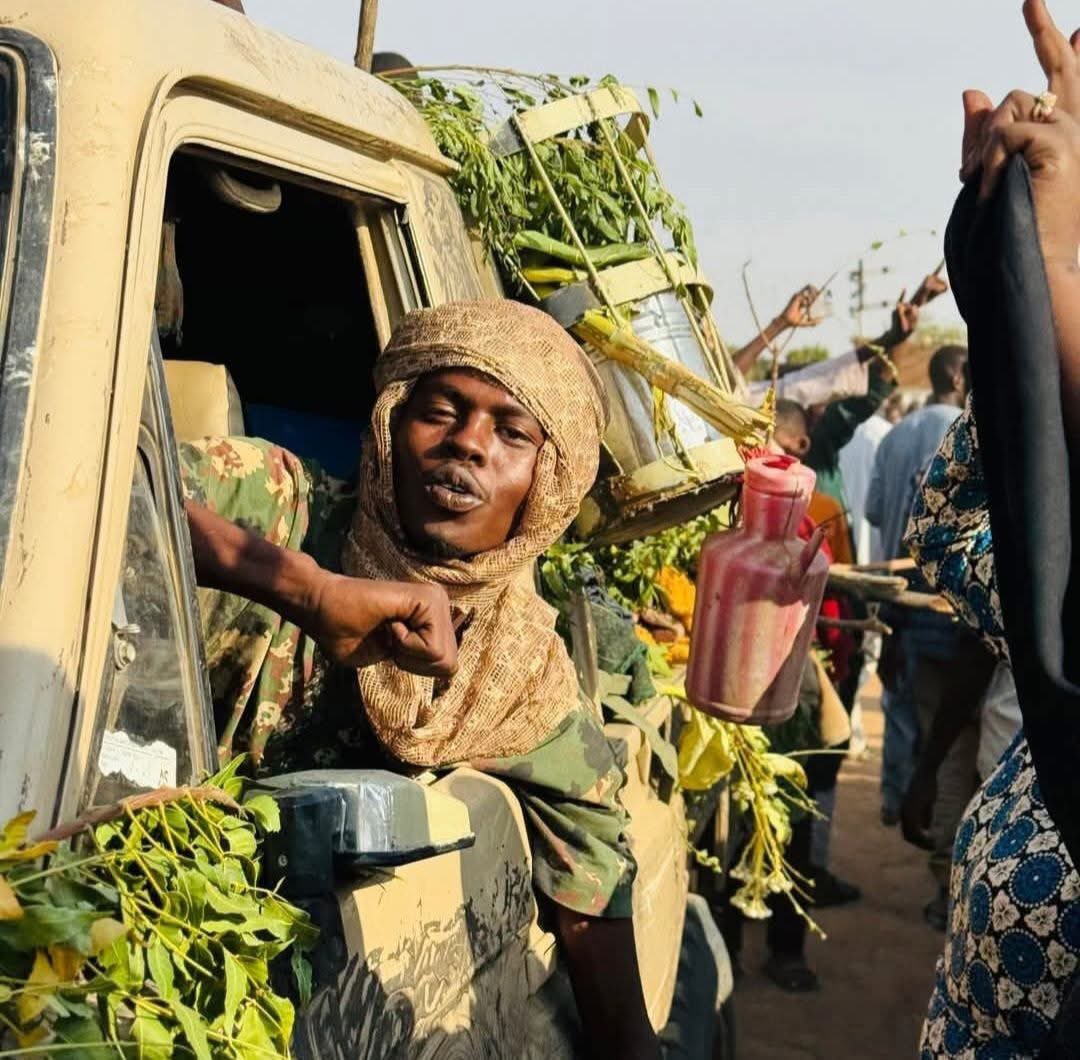
According to Alkarib, the Rapid Support Forces (RSF) and allied groups carried out extensive acts of sexual violence in areas including Khartoum, Gezira State, Blue Nile, White Nile and North Kordofan. She argued that the current conflict has expanded such abuses into regions that had not previously experienced similar patterns of systematic conflict-related sexual violence.
The war, which began in April 2023 between the Sudanese Armed Forces and the RSF, has triggered one of the world’s largest humanitarian crises. Millions of people have been displaced, while large areas of the country have witnessed the collapse of health, education and social services.
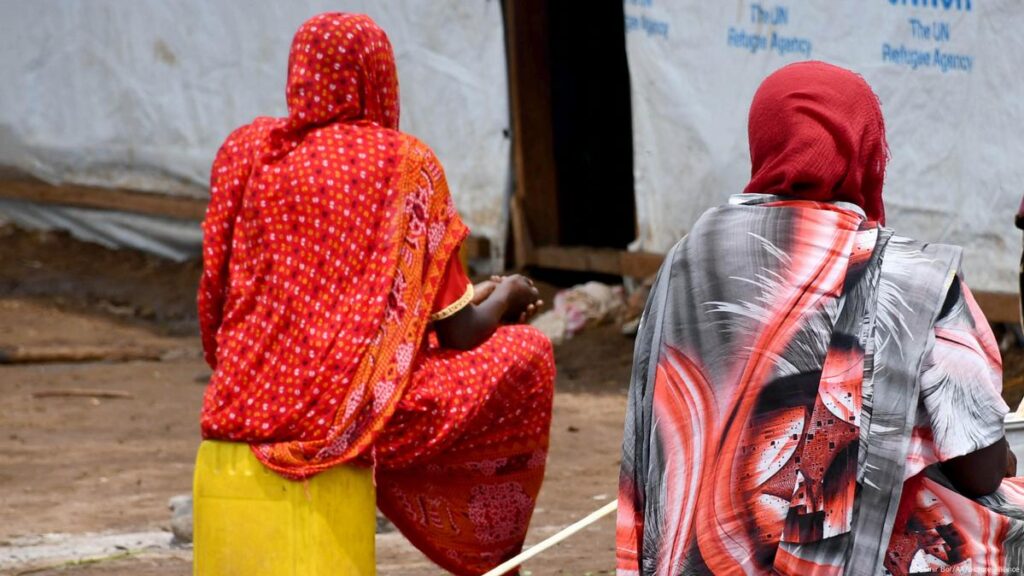
Beyond the violence itself, Alkarib said many survivors have faced rejection, blame and social stigma within their own communities. She argued that women who survived sexual violence often encounter additional barriers when seeking medical treatment, legal support or protection.
The SIHA director also drew attention to what she described as a growing pattern of detention targeting women accused of collaboration with the RSF.
According to SIHA’s documentation, more than 850 women were accused of links to the RSF and subjected to detention or prolonged imprisonment during 2025. Alkarib said some of the women reported being exposed to sexual violence and torture while in custody.
She added that SIHA, working alongside grassroots lawyers, spent more than six months securing the release of four women who had been detained for more than a year without formal charges. According to their accounts, the women experienced abuse while awaiting trial.
The allegations highlight concerns over conditions in detention facilities and the treatment of women accused of supporting one side or another in Sudan’s conflict. Human rights organizations have repeatedly warned that arbitrary detention and abuses against civilians risk deepening social divisions and undermining prospects for accountability.
Alkarib argued that Sudan’s fractured judicial and healthcare systems have left many survivors without access to legal remedies or essential medical and psychological care. She said limited institutional capacity and ongoing insecurity have made it difficult for victims to seek justice or receive support.
The continued flow of weapons into Sudan and the absence of meaningful security sector reform have also contributed to the persistence of violence, she said, arguing that conflict-related sexual violence cannot be separated from broader questions of governance, accountability and state institutions.
More than 1,000 days into the war, Alkarib said survivors continue to wait for justice. She noted that although the United States, the European Union and other international actors have imposed sanctions on individuals and entities linked to the conflict, few measures have directly addressed those allegedly responsible for conflict-related sexual violence.
Rights advocates have increasingly called for stronger international efforts to investigate and prosecute such crimes, arguing that accountability remains essential to any future peace process.
International organizations, including the United Nations, have repeatedly warned about the growing impact of sexual violence on women and girls in Sudan. Humanitarian agencies say many survivors remain beyond the reach of assistance because of insecurity, displacement and restrictions on humanitarian access.
Alkarib concluded that recovery for Sudan cannot be separated from justice for survivors. She argued that addressing sexual violence must become a central component of efforts to end the war, rebuild communities and establish lasting peace.
As the conflict continues with no comprehensive political settlement in sight, rights groups warn that the long-term consequences of sexual violence will extend far beyond the battlefield, affecting families, communities and future generations across Sudan.