
Khartoum – Sudan Now
The government of South Darfur State has rejected the announcement by the RSF to organize secondary school certificate examinations in areas under their control, affirming that the Federal Ministry of Education is the only legally authorized body responsible for supervising national examinations and accrediting their results.
The state government warned that any examinations conducted outside the official framework would pose a threat to the unity of the education system and the credibility of the Sudanese certificate, urging students and parents not to engage in any unapproved arrangements.
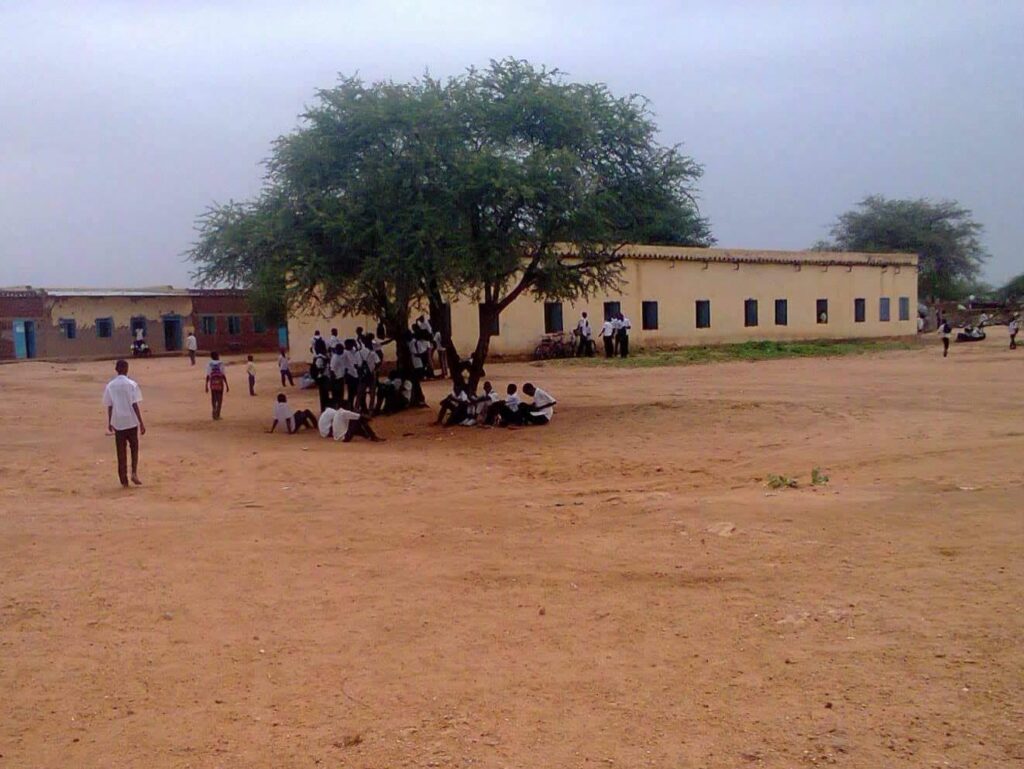
These developments come at a time when Sudan’s education sector is facing unprecedented challenges due to the ongoing war that has continued since April 2023, which has led to the suspension of schooling in large areas and the displacement of hundreds of thousands of students and teachers.
The South Darfur government affirmed that politicizing the education process and creating parallel examination tracks would deepen institutional division in the country and harm students’ future prospects, stressing that any certificates issued outside official institutions would not receive academic or professional recognition.
The state’s position came following the announcement by the RSF that they would organize secondary school certificate examinations starting next Sunday through 77 main centers and 8 emergency centers in areas under their control.
The move has raised concerns among educators and observers about the spillover of political and military divisions into the education sector, which could lead to the emergence of parallel education systems and threaten the status of the Sudanese certificate as one of the country’s oldest national educational institutions.
The Sudanese government had conducted the secondary school certificate examinations on April 13 last year, with students from Darfur states sitting for the exams in Khartoum, River Nile, and other states, while some traveled to external centers established in South Sudan.
In contrast, the government and political forces accused the RSF of preventing a number of students from leaving areas under their control to sit for the official examinations, while the forces did not issue an immediate comment on those
Ministry of Education is the only legally authorized body responsible for supervising national examinations and accrediting their results.
The state government warned that any examinations conducted outside the official framework would pose a threat to the unity of the education system and the credibility of the Sudanese certificate, urging students and parents not to engage in any unapproved arrangements.
These developments come at a time when Sudan’s education sector is facing unprecedented challenges due to the ongoing war that has continued since April 2023, which has led to the suspension of schooling in large areas and the displacement of hundreds of thousands of students and teachers.
The South Darfur government affirmed that politicizing the education process and creating parallel examination tracks would deepen institutional division in the country and harm students’ future prospects, stressing that any certificates issued outside official institutions would not receive academic or professional recognition.
The state’s position came following the announcement by the RSF that they would organize secondary school certificate examinations starting next Sunday through 77 main centers and 8 emergency centers in areas under their control.
The move has raised concerns among educators and observers about the spillover of political and military divisions into the education sector, which could lead to the emergence of parallel education systems and threaten the status of the Sudanese certificate as one of the country’s oldest national educational institutions.
The Sudanese government had conducted the secondary school certificate examinations on April 13 last year, with students from Darfur states sitting for the exams in Khartoum, River Nile, and other states, while some traveled to external centers established in South Sudan.
In contrast, the government and political forces accused the RSF of preventing a number of students from leaving areas under their control to sit for the official examinations, while the forces did not issue an immediate comment on those .