Geneva – Sudan Now | February 26, 2026
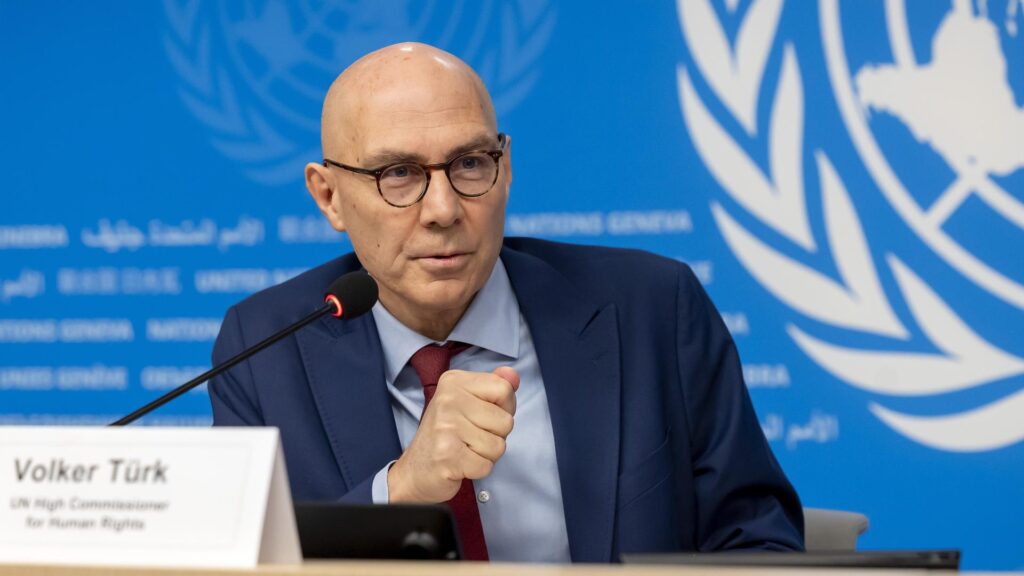
Volker Türk, the UN High Commissioner for Human Rights said that violations in Sudan have increased by two and a half times compared to previous years, describing the ongoing war as “brutal, bloody and senseless.”
Volker Türk further explained, during an interactive dialogue session, that around 600 civilians were killed in the first month of the current year as a result of the use of drones by both sides to the conflict. He also noted that 500 cases of sexual violence have been documented, and that the UN has heard “harrowing” testimonies from survivors.
He also confirmed an increase in arbitrary rulings against civilians, noting that detention is being used as a weapon by both sides and their allied militias, with reports of civilians being held without trial. He further pointed out that the takeover of Al Fashir has led to massacres attributed to the RSF, which could amount to crimes against humanity with the potential for repetition.
The High Commissioner also spoke about attacks, harassment and intimidation targeting people with disabilities, in addition to assaults on humanitarian workers and facilities, which he described as a clear violation of international humanitarian law.
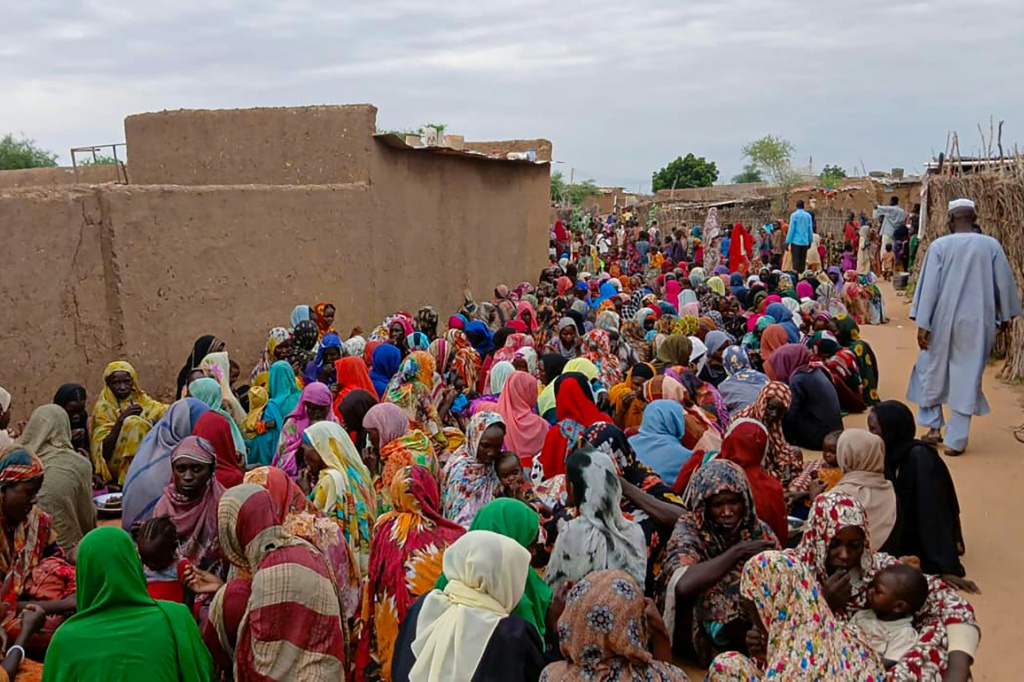
He revealed that around 13 million children are now out of school, with a troubling rise in the recruitment of children and youth and the erosion of civic space, alongside the suppression of freedoms, including the right to assemble and organize and an increase in hate speech and calls to target activists advocating for peace in North Kordofan.
Volker Türk called for respect for the arms embargo on Darfur and the prevention of arms flows, urging accountability for all those involved in crimes and an end to impunity. He also called on the UN Security Council to refer the situation in Sudan to the International Criminal Court and to pressure the parties to agree on a humanitarian truce paving the way for a ceasefire.
The High Commissioner’s warning comes as UN reports show a rise in civilian casualties and the expanding use of drones and heavy weapons in residential areas, amid a continuing failure to secure full humanitarian access to conflict zones, particularly in Darfur, Kordofan, and Khartoum.