
N’Djamena/Chad – In times of armed conflict, the consequences of war extend far beyond displacement and the loss of shelter. Among the most significant casualties is education, as schools often become both victims of conflict and symbols of resilience for children struggling to preserve their futures.
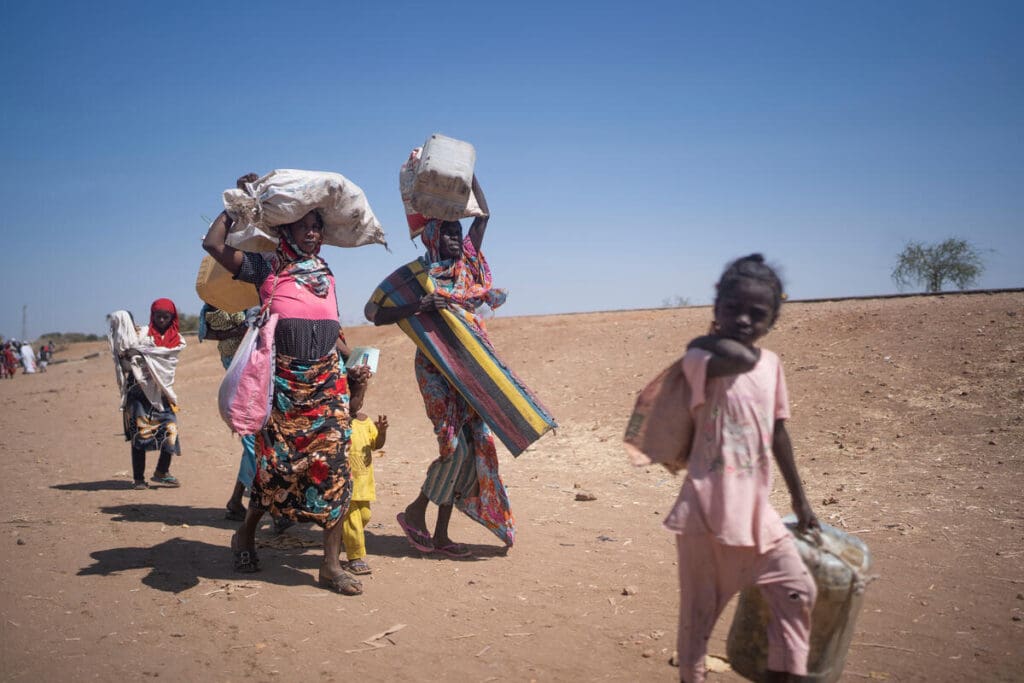
For Sudanese student Mayaz, the war that erupted in Sudan in April 2023 transformed every aspect of life. Like thousands of other children, she was forced to flee her home and eventually found refuge in neighboring Chad.
“I know returning to Sudan carries risks, but I will do whatever it takes to continue my education, wherever I am,” Mayaz said.
Her words reflect the uncertainty, disruption and anxiety experienced by countless children affected by conflict, many of whom have seen their education interrupted by war and displacement.
The journey to Chad was more than a geographical relocation. It marked a difficult transition from a life shaped by instability, interrupted schooling and separation from loved ones to one defined by the challenge of rebuilding a future under refugee conditions.
Sudan’s conflict has triggered one of the world’s largest displacement crises, forcing millions of people from their homes. Children have been among the hardest hit, with education emerging as one of the sectors most severely affected by the war.
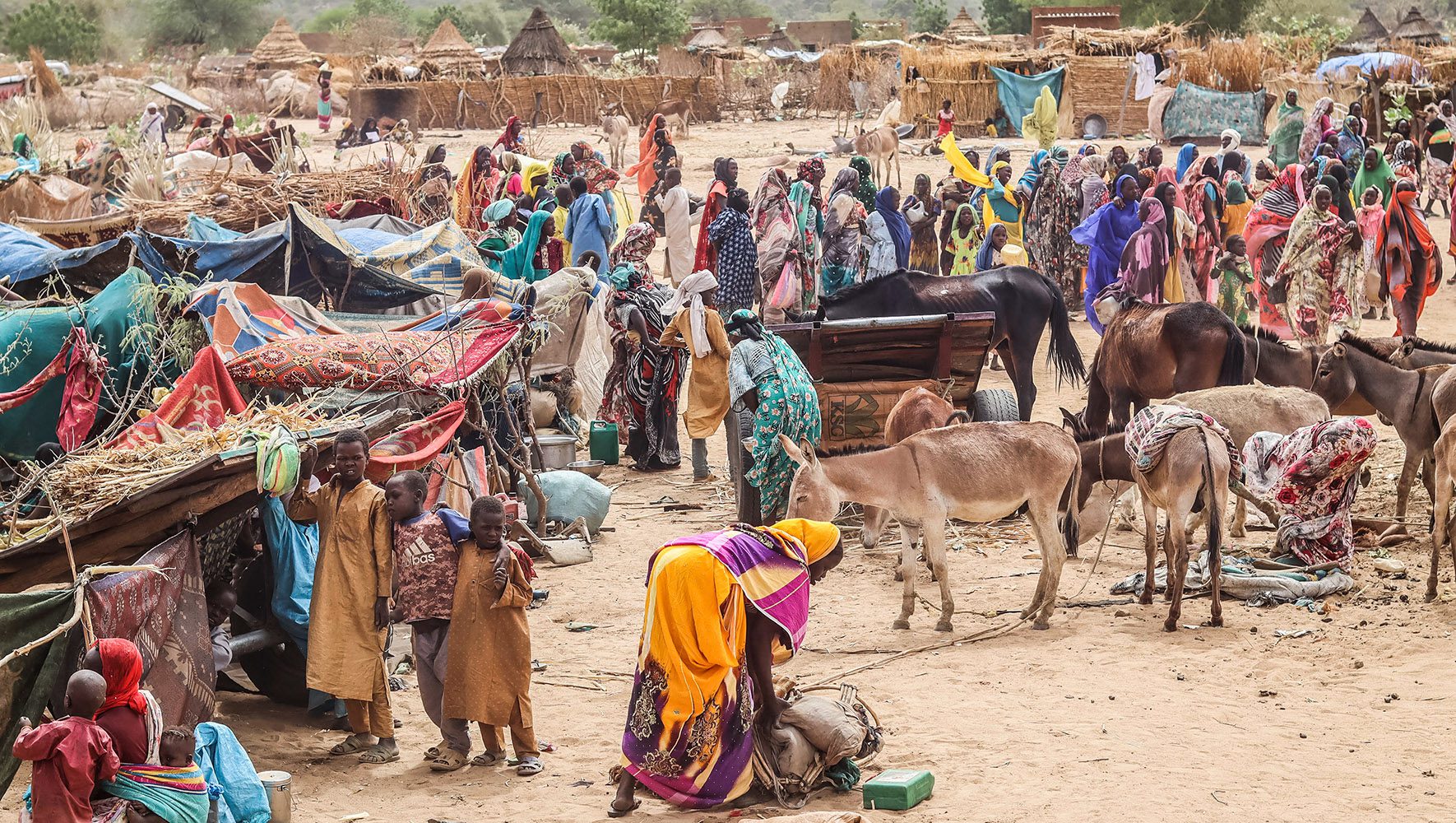
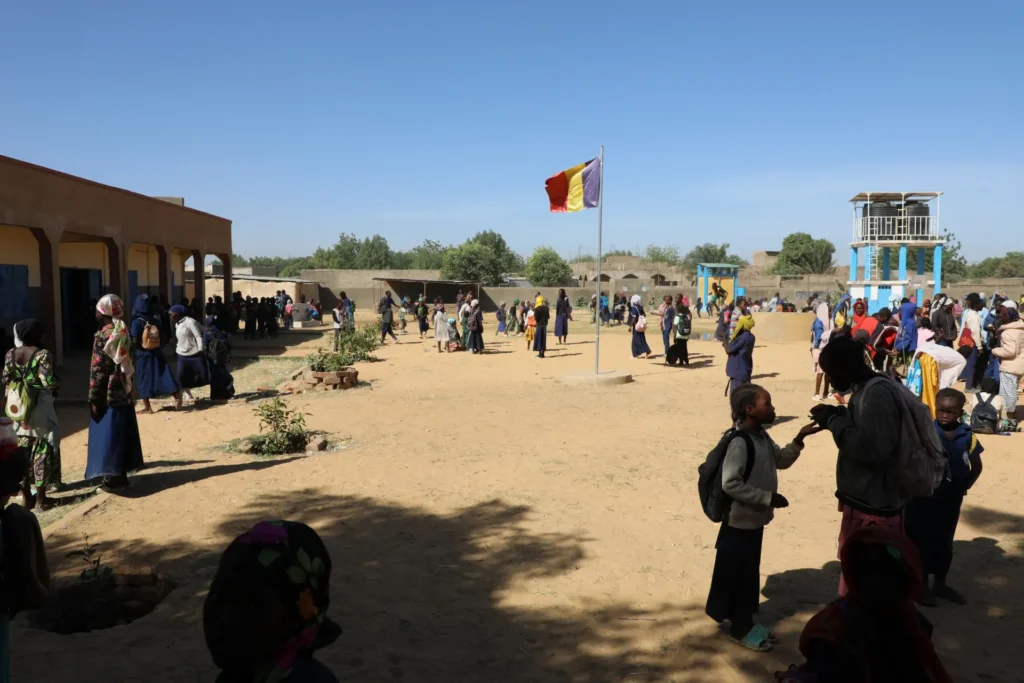
Inside refugee camps in Chad, learning conditions remain far from ideal. Classrooms are overcrowded, resources are limited and humanitarian needs often take precedence over educational priorities. Yet many students continue to pursue their studies despite the challenges.
Against this backdrop, Mayaz prepared for the Sudanese secondary school examinations, which were organized in Chad through coordination between Sudanese and Chadian authorities. The initiative aimed to ensure that refugee students could continue their education despite the conflict.
Around 5,000 refugee students benefited from the arrangements, highlighting the logistical and humanitarian efforts required to sustain education in displacement settings.
The United Nations Children’s Fund (UNICEF) and its partners supported the process through preparatory classes, psychosocial support sessions, transportation assistance and examination logistics designed to provide students with a measure of stability during a difficult period.
For Mayaz, the effort paid off. She achieved first place at her examination center, a result that underscores the ability of education to endure even in some of the most fragile circumstances.
Her achievement also reflects a broader reality. UNICEF and other humanitarian organizations have repeatedly emphasized that access to education provides not only learning opportunities but also critical psychological and social protection for children affected by conflict.
Today, Mayaz does not see her success as an endpoint. She hopes to become a doctor, turning her experience of displacement and hardship into motivation to build a different future from the one shaped by war.
Her story stands as a reminder of both the resilience of Sudan’s displaced children and the challenges that remain. As the conflict continues, the question persists: how many more young people will be able to stay on the path of education, and how many dreams can survive the pressures of a prolonged war?