
GENEVA – Sudan urged a group of like-minded countries at the United Nations in Geneva to support its position against an expected UK-drafted resolution on Sudan at the UN Human Rights Council, saying existing international mechanisms are already monitoring the rights situation in the country.
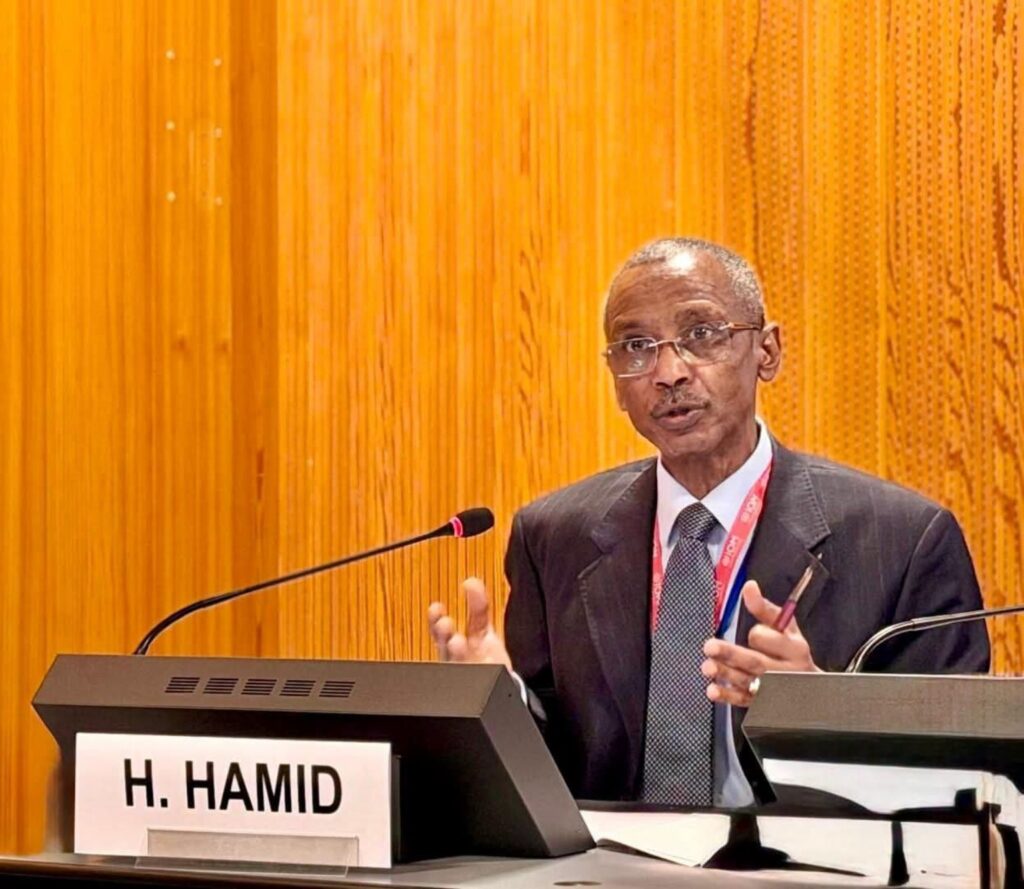
Sudan’s permanent representative in Geneva, Ambassador Hassan Hamid Hassan, addressed a meeting of ambassadors from the Like-Minded Group, a bloc of 29 countries led by China, ahead of Human Rights Council deliberations and the anticipated British-backed draft resolution.
Hamid said Sudan is already engaging with several international mechanisms working on human rights, including the country office of the Office of the High Commissioner for Human Rights, the designated expert on the human rights situation in Sudan, and the Panel of Experts established under UN Security Council Resolution 1591.
He said those mechanisms have been accepted by the Sudanese government and operate with its cooperation, arguing that there is no need for what he described as a fourth mechanism imposed through the annual resolution.
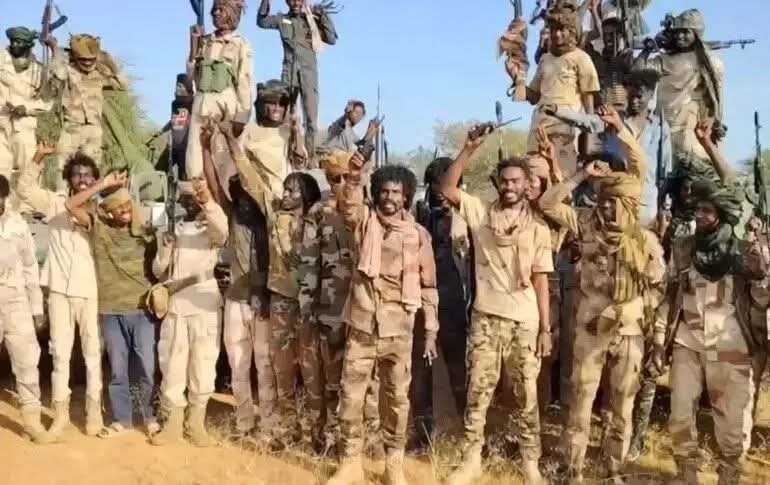
The remarks come as Sudan faces intense international scrutiny over violations committed during the war between the Sudanese Armed Forces (SAF) and the Rapid Support Forces (RSF), which erupted in April 2023 and has produced one of the world’s gravest humanitarian and human rights crises.
Hamid accused Britain and Western states backing the draft resolution of repeatedly seeking to equate the Sudanese army with the RSF, which he described as a rebel militia with a known record of crimes. He said Sudan rejects language that places the army, which he said is carrying out its constitutional duty to protect the state and people, on the same level as the RSF.
Sudanese officials have repeatedly opposed international rights mechanisms they view as politically driven, while arguing that national institutions, including the judiciary and a national committee formed to investigate violations of national law and international humanitarian law, should be recognized.
Rights groups and UN experts, however, have continued to call for independent investigations into abuses committed by all parties to the conflict, including attacks on civilians, sexual violence, ethnic targeting, arbitrary detention, looting and destruction of civilian infrastructure.
Hamid also accused the sponsors of the expected resolution of failing to use what he called proper UN terminology when addressing states and their legally recognized governments.
He said Sudan’s national justice efforts were being ignored, including the work of the Sudanese judiciary and the national investigation committee established by Sovereign Council Chairman Abdel Fattah al-Burhan.
The ambassador called on the Like-Minded Group to support what he described as Sudan’s “just position” against the forthcoming resolution. He accused the resolution’s sponsors of mobilizing non-governmental organizations to promote RSF narratives and make allegations against the Sudanese army whenever it makes battlefield gains.
The expected debate in Geneva comes as the Sudanese government seeks diplomatic support from regional and international partners while pushing back against external pressure over accountability, humanitarian access and the conduct of the war.