

EL OBEID – The Sudanese Armed Forces (SAF) and allied formations expanded a major ground offensive across North and West Kordofan, with the army announcing on Thursday that its forces had captured a string of areas following what it described as fierce clashes with the Rapid Support Forces (RSF).
The latest announcement followed reports earlier in the day that the SAF, the Joint Force and other allied formations had launched a large-scale operation in North Kordofan, advancing along the Mazroub–Sodari–Hamrat Al-Sheikh axis.
In an official statement dated Sept. 17, the SAF General Command said its forces and allied units continued operations across several combat fronts and had taken control of areas including Kajmar, Sharshar, Al-Baniya Al-Karima, Al-Fulaiyat, Awlad Hamma, Maqoudat, Rishan, Al-Qa’a, Ghabat Al-Naqd, Al-Kuwaikiti and areas surrounding Al-Mazroub in North Kordofan.
The army said the gains followed heavy fighting in which it inflicted what it described as major losses on RSF forces and pursued retreating fighters toward Darfur.
It also said clearing and security operations were continuing in areas west of El Obeid.
Sudan Now could not independently verify the territorial changes, battlefield losses or the scale of the advance. The RSF did not immediately comment on the SAF statement.
Major Ground Offensive
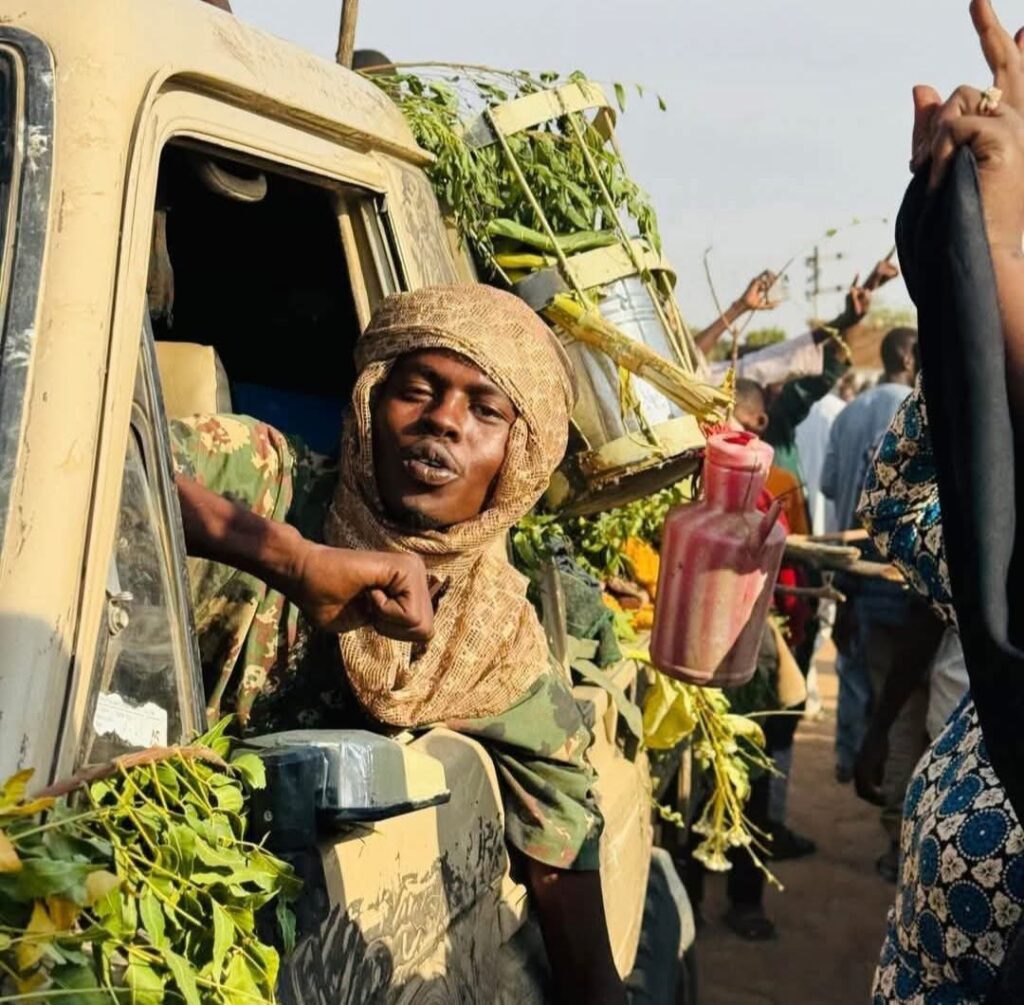
Earlier, videos posted by soldiers from the SAF, the Joint Force and other allied formations showed troops in operational areas alongside military convoys carrying vehicles and equipment.
The Joint Force said on its official platforms that operations were continuing on the North Kordofan front, with forces advancing toward Mazroub and Sodari before moving toward Hamrat Al-Sheikh.
It said the operation involved the SAF, Joint Force and Popular Resistance, with the stated objective of retaking areas controlled by the RSF.
The latest SAF statement indicates that the offensive has expanded beyond the initial axis and now includes operations across a broader section of North Kordofan and areas west of El Obeid.
Army Says Operations Will Continue
The SAF General Command said military operations would continue “with determination and steadfastness” until, in its words, state sovereignty was fully restored, civilians secured and areas cleared of RSF forces.
The army described the RSF as a terrorist militia in its statement, language routinely used by Sudanese military authorities. The RSF rejects the army’s characterization and accuses the SAF and allied forces of committing abuses during the war.
Finance Minister and Justice and Equality Movement leader Jibril Ibrahim also praised the advances earlier in the day, congratulating the SAF, Joint Force and Popular Resistance on what he described as major victories in North Kordofan.
Ibrahim said the gains reflected what he described as the resilience and sacrifices of the Sudanese people and said the advance against RSF positions would continue.
Strategic Battle for Kordofan
The operation marks one of the largest coordinated ground offensives in the region in recent weeks, following earlier army and allied-force advances across parts of North Kordofan.
Control of the region is strategically significant because North Kordofan links Khartoum with Darfur and the wider Kordofan region and contains major roads used for military supply, civilian transport and commercial movement.
Previous army advances helped reopen parts of the vital export route linking Khartoum and North Kordofan and strengthened SAF control over several important transport corridors.
The current fighting around Mazroub, Sodari and Hamrat Al-Sheikh is also significant because those routes provide access toward western Sudan and connect North Kordofan with areas leading into Darfur.
The RSF has maintained positions across parts of Kordofan while the army and allied formations have sought to push westward following earlier military gains around Khartoum and central Sudan.
The widening offensive could therefore shape control of supply lines and access routes between Kordofan and Darfur as both sides compete for strategic depth in western Sudan.


