
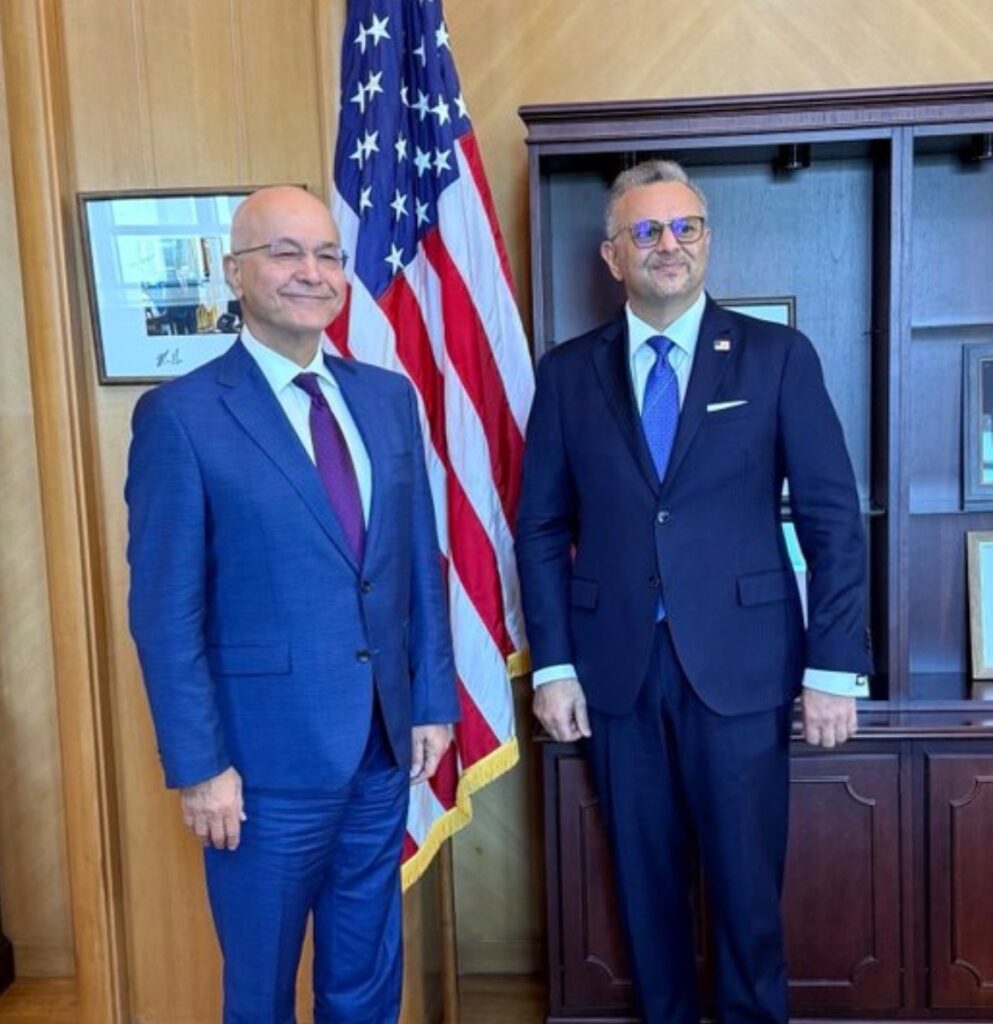
WASHINGTON – U.S. Senior Adviser for Arab and African Affairs Massad Boulos said he discussed Sudan’s massive displacement crisis and the need to expand the arms embargo across the entire country during talks with UN High Commissioner for Refugees Barham Salih.
Boulos described the meeting as productive and said discussions focused broadly on people displaced by conflicts and efforts to resolve the crises driving them from their homes.
On Sudan, he said the two officials discussed the scale of internal and cross-border displacement caused by the war and what he described as the critical importance of extending the arms embargo nationwide.
Boulos said expanding the embargo would help reduce the suffering of Sudanese civilians and limit further casualties.
The remarks reinforce Washington’s recent push at the UN Security Council for a broader arms embargo covering all of Sudan rather than the current Darfur-focused sanctions framework.
The United States has argued that the existing restrictions are no longer sufficient because the war has spread beyond Darfur into Kordofan, Blue Nile and other regions, while drones, weapons, mercenaries and military supplies continue to reach the warring parties through external networks.
Sudanese authorities have opposed expanding the embargo nationwide, arguing that such a measure could restrict the state’s right to self-defense while failing to adequately address weapons reaching the Rapid Support Forces (RSF) through foreign support networks.
The dispute recently surfaced at the Security Council, where members unanimously approved a short-term renewal of the existing Sudan sanctions regime while disagreements remained over whether the embargo should be broadened.
Boulos and other senior U.S. officials have increasingly linked the weapons flow to Sudan’s humanitarian crisis, arguing that continued military supplies are prolonging the conflict and worsening displacement, hunger and civilian casualties.
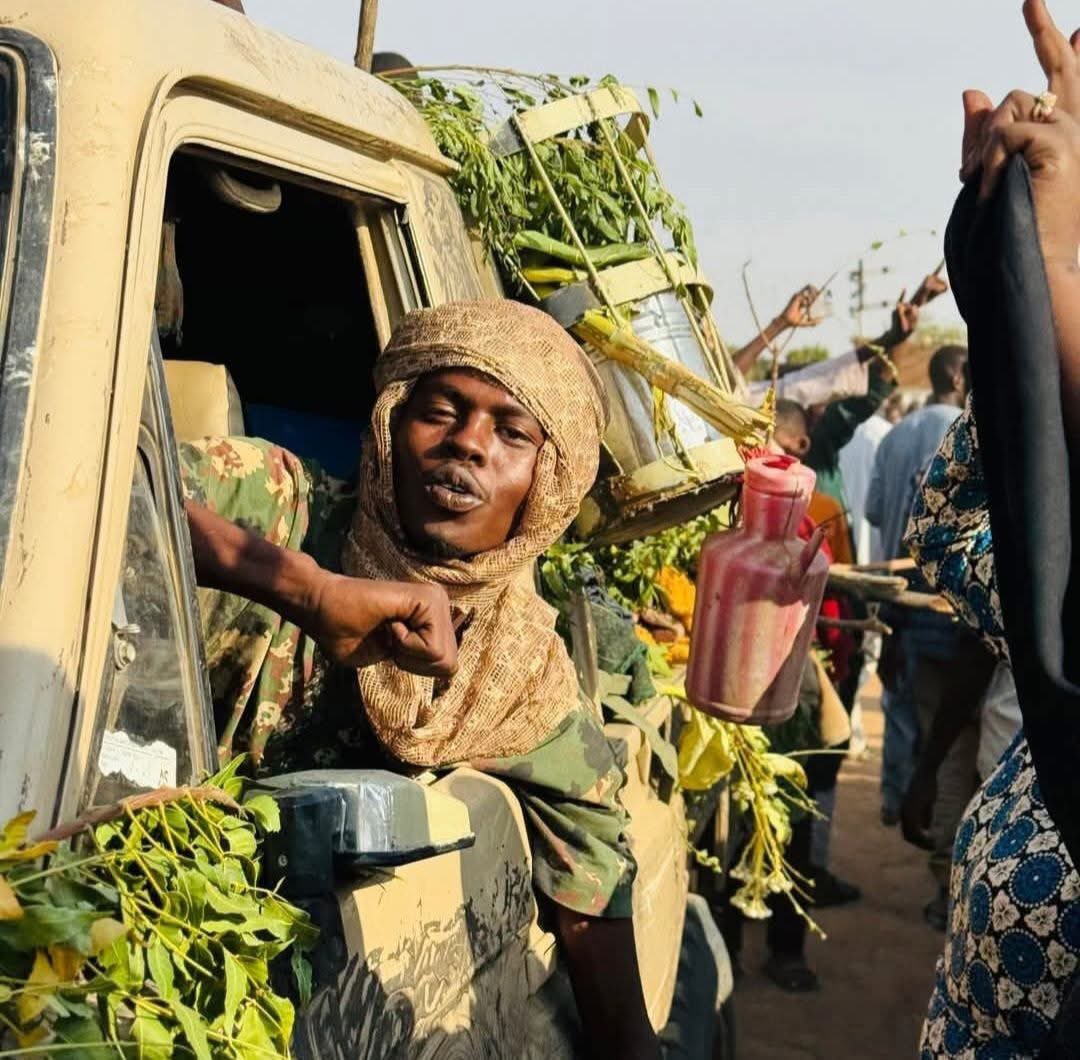
Sudan’s war between the Sudanese Armed Forces (SAF) and the RSF, which began in April 2023, has forced millions of people from their homes inside the country and across its borders, creating one of the world’s largest displacement crises.
During the same meeting, Boulos said he and Salih also discussed negotiations in eastern Democratic Republic of the Congo, U.S. efforts to support the peace process there and the response to the Ebola outbreak.
They also discussed Western Sahara, including efforts to reach what Boulos described as a lasting and mutually acceptable solution consistent with UN Security Council Resolution 2797, as well as the need for sustainable solutions for Sahrawi refugees in the Tindouf camps.