
Khartoum – Sudan Now | May 15, 2026
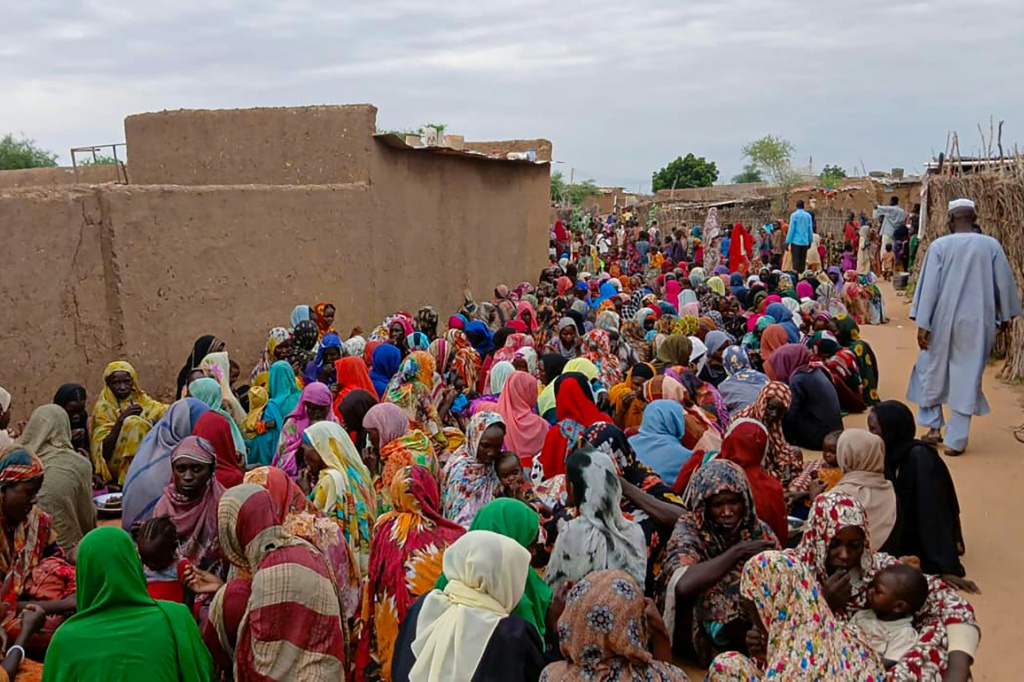
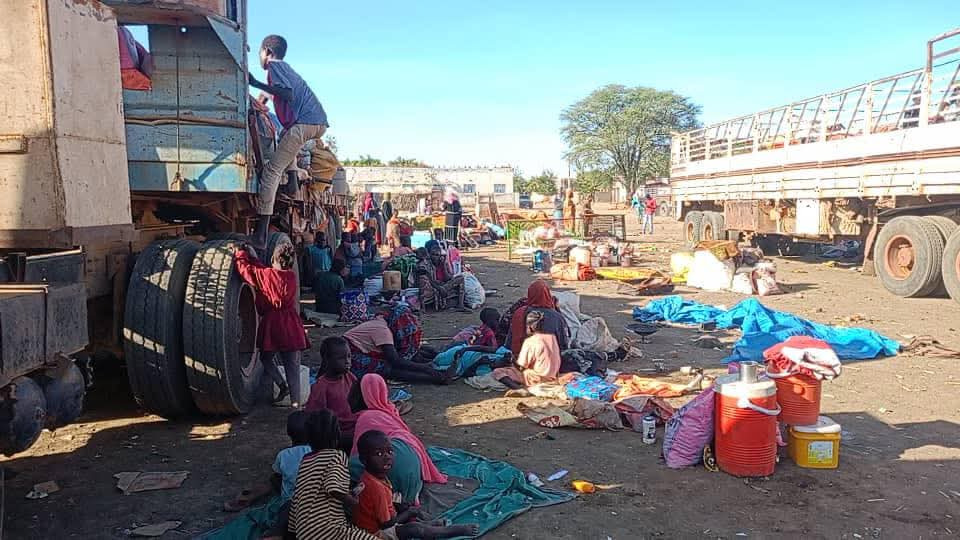
United Nations agencies have warned of a worsening humanitarian crisis in Sudan amid the ongoing war and the continued deterioration of health and food conditions. They stressed that millions of Sudanese are facing the risk of hunger and disease, against the backdrop of severe shortages in humanitarian funding and major difficulties in delivering aid.
The Food and Agriculture Organization (FAO), the World Food Programme (WFP), and UNICEF said that around 24 million people in Sudan lack access to adequate sanitation services and safe drinking water, further worsening malnutrition rates, particularly among children, pregnant women, and breastfeeding mothers.
In a statement obtained by “Sudan Now,” the organizations added that outbreaks of cholera, measles, malaria, dengue fever, hepatitis, diphtheria, and other diarrheal diseases are accelerating the deterioration of food and health conditions across the country, at a time when health facilities are under severe strain and facing critical shortages in services.
The organizations stressed that restrictions on humanitarian operations in Sudan are among the “most severe in the world,” citing insecurity, bureaucratic obstacles, attacks on supply routes, and the destruction of markets and means of production, in addition to restrictions on the movement of people and goods.
The organizations noted that Sudan’s 2026 Humanitarian Needs and Response Plan had received only 20 percent of the required funding as of last April, while humanitarian assistance remained “far below” the scale of actual needs.
The organizations said that although aid efforts aimed to reach 4.8 million people per month between February and May, only about 3.13 million people received humanitarian assistance in February.
UN agencies called for an immediate cessation of hostilities and the protection of civilians and civilian infrastructure, alongside ensuring safe, rapid, and unhindered humanitarian access to conflict-affected areas.
Qu Dongyu, Director-General of the FAO, said that expanding emergency agricultural assistance represents one of the fastest ways to address the risk of famine and reduce dependence on humanitarian aid, calling for the provision of funding and the necessary humanitarian access to support farming households with seeds, tools, and production inputs.
For her part, Cindy McCain, Executive Director of the WFP, said that “famine continues to threaten Sudanese people, while hunger and malnutrition endanger the lives of millions,” stressing that humanitarian organizations “cannot confront the crisis alone” without international support, funding, and political will.
For her part, Catherine Russell, Executive Director of UNICEF, said that children in Sudan are “trapped between violence, hunger, and disease,” noting that many families have been displaced multiple times, while children suffering from severe malnutrition arrive at health facilities “too weak to cry.”
The organizations warned that the continuation of the war, the disruption of essential services, and funding shortages could push Sudan toward further humanitarian deterioration and famine in the coming months if urgent action is not taken.