
KHARTOUM – Sudan’s war continued to spread beyond active battlefronts in October, with drone strikes, displacement, rising living costs and deteriorating health and education services placing increasing pressure on civilians across the country, according to a new report by the Youth Citizens Observers Network, or YCON Sudan.
The 92-page report, covering developments from Sept. 28 to Oct. 27, draws on field monitoring by the network across Sudan and secondary sources to assess political, security, human rights, economic, humanitarian, health and education conditions.
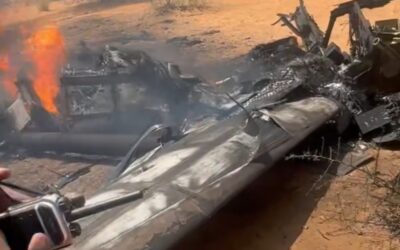
YCON said the most significant military developments were concentrated in Blue Nile and Kordofan, while drone attacks expanded into areas away from direct ground fighting and increasingly affected markets, displacement sites, residential areas, fuel facilities and electricity infrastructure.
In Blue Nile, competing claims of control emerged around Al-Kurmuk and Geissan as fighting intensified and civilians fled toward Damazin and Roseires.
The report also documented drone attacks attributed to the Rapid Support Forces on electricity facilities in Gedaref and Khartoum on Oct. 26 and 27, causing widespread outages and additional pressure on essential services.
Civilian Casualties and Protection Risks
YCON documented multiple incidents involving civilian casualties during the reporting period, while cautioning that figures from some locations varied significantly between sources.
It said a drone strike attributed to the RSF on a displacement gathering in Abu Shendi, Wad Al-Mahi locality in Blue Nile, killed 34 civilians on Oct. 10.
Five displaced people were reported killed and 47 wounded in shelling of a dormitory at the University of Kordofan in El Obeid on Oct. 2.
In West Kordofan, YCON’s field monitoring recorded 135 deaths in Al-Dibab locality following strikes attributed to the Sudanese army, but noted that other reporting put the toll between 80 and about 150, meaning no unified casualty figure could be established.
A separate drone strike attributed to the army on a market transport hub in El Daein on Oct. 23 killed five people, including three women and a child, according to the report.
The network also recorded killings, abductions, ransom demands, arbitrary detention, sexual violence and restrictions on civic activity across several states.
YCON said insecurity was no longer confined to conventional battlefronts, with armed crime, uncontrolled weapons and violence involving individuals affiliated with different armed formations increasingly affecting roads, markets and communities.
More Than 100,000 Displaced in Blue Nile Data
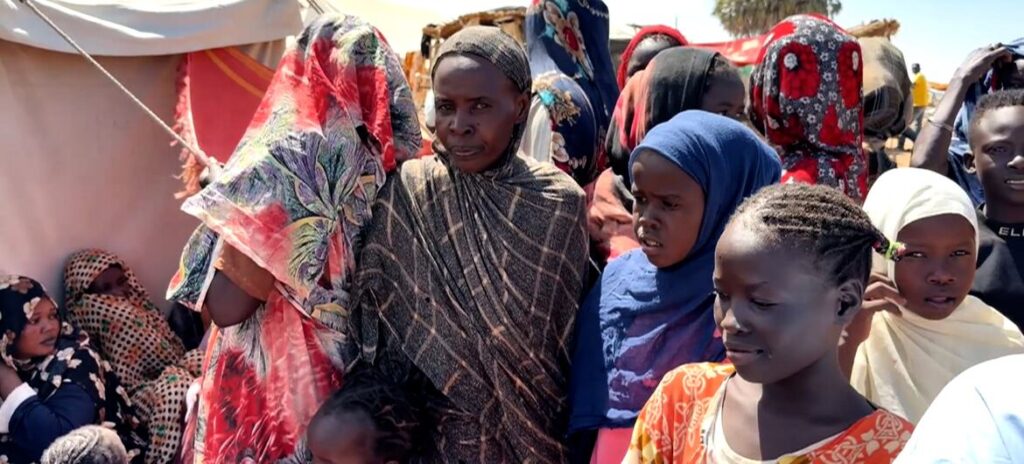
Displacement continued from Blue Nile, Kordofan and Darfur, driven by a combination of fighting, drought and deteriorating livelihoods.
The report compiled figures equivalent to 21,787 families and 102,659 people across six Blue Nile localities, but cautioned that the figures were neither a final displacement total nor a count of people newly displaced during October alone.
Displaced people were living in schools, collective centres, rented accommodation and host communities, while some remained without adequate shelter.
Food, water, healthcare and shelter shortages persisted despite registration, assessments and limited humanitarian assistance in some areas.
YCON said the pressure was also increasingly falling on host communities and local initiatives as humanitarian organizations struggled with limited resources.
Cash Crisis and Rising Living Costs
The economic situation deteriorated as food, fuel and transportation costs increased while access to cash remained uneven.
The report documented exceptionally high charges for converting electronic balances into physical cash in some areas, reducing the real value of salaries, remittances and humanitarian cash assistance.
Agricultural production was also under pressure from weak rainfall, irrigation problems, high input costs and insecurity.
In Hamashkoreib, an emergency room warned on Oct. 11 that sorghum had disappeared from markets, while authorities in Al Jazirah later imposed restrictions on the movement of wheat and sorghum in an effort to protect local stocks.
YCON said payment of salaries alone was increasingly insufficient to stabilise household finances as food, transport and cash-conversion costs eroded incomes and agricultural and commercial employment opportunities declined.
Hospitals Damaged, Medicines Scarce
Sudan’s health system remained under heavy pressure from medicine shortages, staff shortages, high treatment costs and outbreaks of malaria, dengue fever and other illnesses.
The report said hospitals in Al-Kurmuk, Geissan and Bout in Blue Nile had been damaged or looted and taken out of service following attacks attributed to the RSF.
Health facilities that remained operational faced shortages of medicines, diagnostic equipment and medical staff, particularly in rural and conflict-affected areas.
There were some improvements, including the start of medical oxygen production in River Nile state, the return of a CT scanner to service in El Daein and the provision of three dialysis machines.
But YCON said these interventions remained insufficient compared with the scale of need.
Schools Used to Shelter Displaced Families
The war also continued to disrupt education.
Schools remained open and examinations continued in some parts of Sudan, while displacement, strikes by teachers, damaged facilities, transport costs and school fees prevented regular attendance elsewhere.
In Blue Nile, the reopening of schools was postponed in October as approximately 14 schools in Damazin and Roseires were being used to shelter displaced families.
Teachers in Khartoum and Kassala also staged strikes over unpaid salaries and financial entitlements.
The network said access to education increasingly depended on geography and household resources, despite local rehabilitation projects and community initiatives.
War’s Impact Extends Beyond Battlefield
YCON concluded that developments during October showed how the consequences of Sudan’s war had expanded from direct battlefield casualties to the gradual weakening of families, public institutions and local economies.
Damage to markets, agricultural production, electricity, health facilities and schools had raised the cost of food, healthcare and education, while displacement and insecurity increased pressure on host communities.
The network called for an end to attacks on civilians and civilian infrastructure, independent investigations into alleged violations, expanded humanitarian assistance, protection of civic space and greater support for agriculture, markets, healthcare and education.
It also urged that any political process include women, young people, displaced communities, refugees and civilian groups.