
Khartoum – Sudan Now
The International Organization for Migration (IOM) announced the first decline in the number of internally displaced people in Sudan since the outbreak of the war in April 2023, reporting that the figure has fallen to approximately 8.8 million people, a 24% decrease from the peak displacement level of 11.6 million people recorded in January 2025.
The organization stated in its latest Displacement Tracking Matrix (DTM) report that this decline is linked to an increase in the number of Sudanese returning to their places of origin, particularly following recent military developments in the states of Khartoum, Al Jazirah, and Sennar over the past months.
According to the report, the number of returnees reached around 4.44 million people, including more than 757,000 individuals who returned from countries of asylum, while approximately 3.68 million people returned from internal displacement sites to their areas of origin.
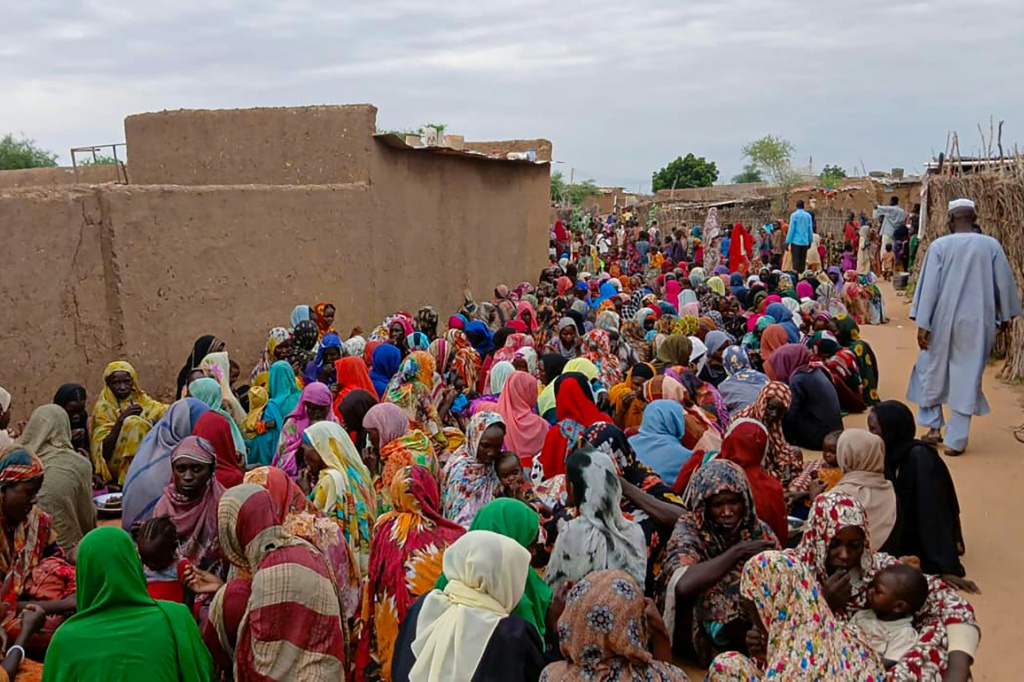
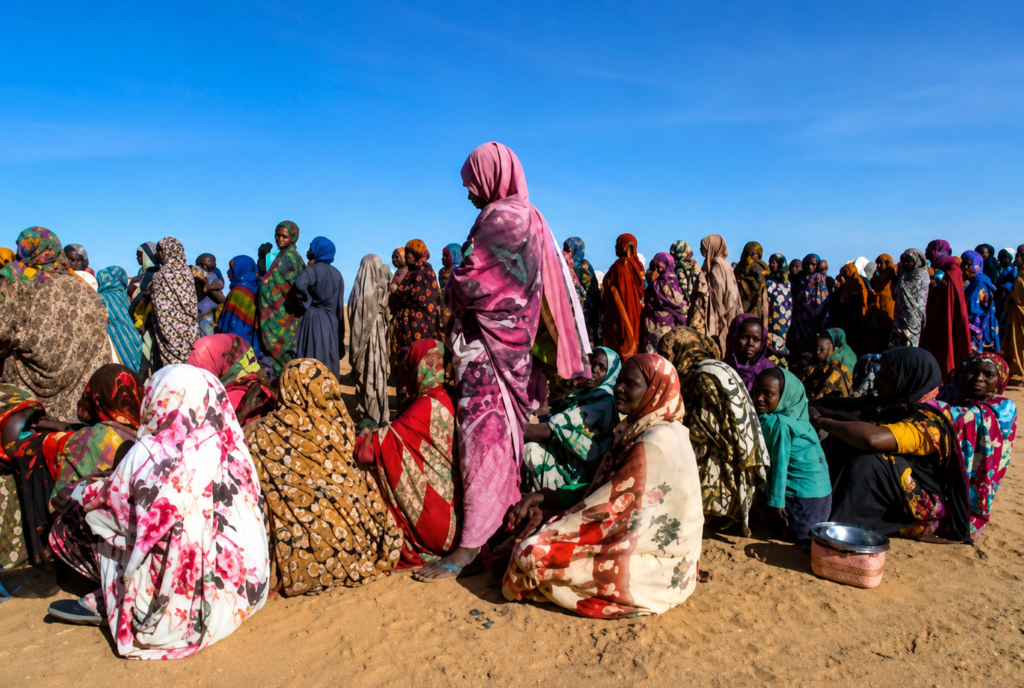
This development comes after more than three years of war, which has caused one of the world’s largest displacement crises, forcing millions of Sudanese to flee their homes within the country or seek refuge in neighboring states.
Data also showed that the number of displaced households stands at approximately 1.77 million households, spread across 18 states and 185 localities throughout Sudan, while the number of returning households has reached more than 886,000 households.
The report indicated that Khartoum State topped the list of regions receiving returnees, followed by Al Jazirah State and then North Darfur, while gradual return movements continue to several areas that have witnessed relative improvements in security conditions.
Despite this decline, Sudan still hosts one of the largest internally displaced populations in the world, with the states of Darfur, Kordofan, and parts of central Sudan continuing to shelter large numbers of families who have not yet been able to return to their areas of origin.
The data also showed that 64% of displaced people remain within their home states, while 38% are residing in displacement sites with their families. Children under the age of 18 account for more than half of the total displaced population.
United Nations agencies have repeatedly warned that population returns do not necessarily signal the end of humanitarian needs, as large areas continue to suffer from damaged infrastructure and a shortage of essential services, including healthcare, education, and access to clean drinking water.
The International Organization for Migration (IOM) emphasized that current return trends reflect significant developments on the ground; however, it stressed the need to ensure proper conditions for a safe, dignified, and sustainable return of displaced persons and returnees across Sudan.