

Khartoum – Sudan Now
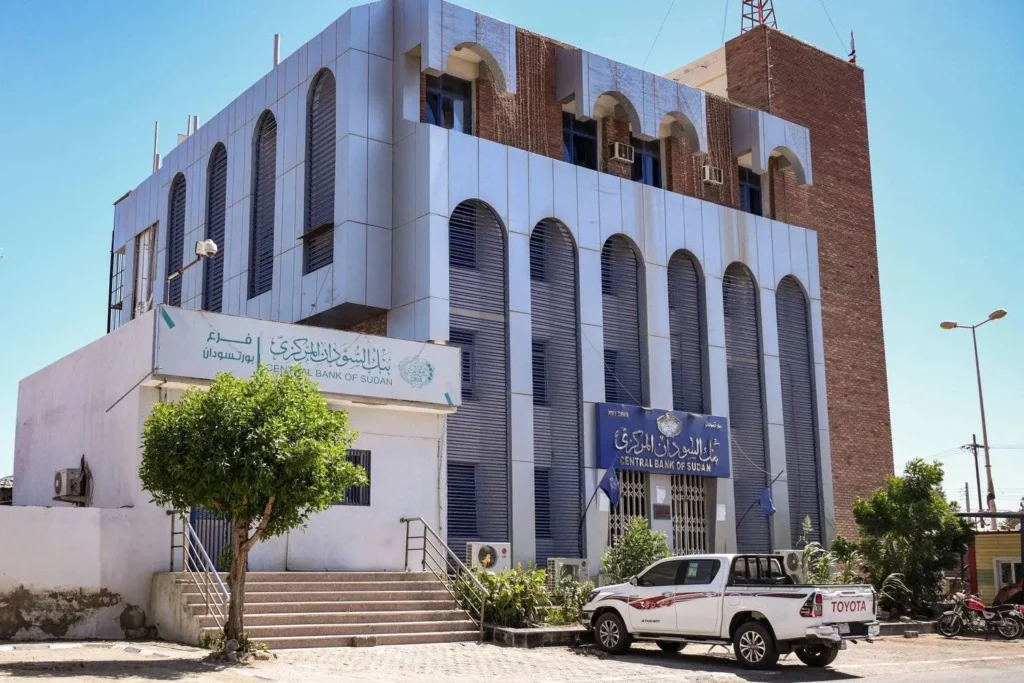
The Central Bank of Sudan has announced that importers must deposit a physical guarantee of 200 kilograms of 21-karat gold to obtain the no-objection certificate required for importing petroleum products, in a new move aimed at regulating fuel import operations in the country.
The decision was outlined in a letter sent by Central Bank of Sudan Governor Amina Merghani Hassan Al-Tom to the Minister of Energy and Petroleum on June 14, 2026, in which she stated that any company seeking to import petroleum products would only be granted a no-objection certificate upon providing proof that the required guarantee had been deposited with the Sudan Gold Refinery.
Sudan relies heavily on imported petroleum products to meet the needs of the transportation, electricity, agricultural, and industrial sectors, making fuel supply one of the issues most closely linked to the stability of economic activity and the provision of essential services across the country.
The letter clarified that verification of compliance with the requirement will be carried out through direct coordination between the Ministry of Energy and Petroleum and the Sudan Gold Refinery prior to issuing the required approval, and that the decision will take immediate effect on all petroleum import applications submitted via the “Baladna” platform.
In recent years, the fuel sector has faced repeated challenges due to a shortage of foreign currency and rising import and transportation costs, while the ongoing war since April 2023 has further increased pressure on supply chains, infrastructure, and the logistical systems linked to the distribution of petroleum products.
The Central Bank stated that the measure comes as part of tightening regulations governing the import of petroleum products and ensuring that companies operating in the sector comply with approved financial requirements.
Several Sudanese states have witnessed repeated shortages of gasoline, diesel, and cooking gas over the past two years, at times accompanied by long queues at fuel stations and rising transportation and production costs, particularly in areas affected by the conflict.
The Central Bank did not specify in its letter the estimated monetary value of the gold guarantee or the mechanism for its recovery after the completion of import operations. It also did not include details on the number of companies that will be subject to the new measures.
The decision comes as authorities seek to strengthen oversight of import operations and manage foreign currency demand, amid ongoing economic challenges facing the country and growing needs to secure stable fuel supplies for local markets.


