
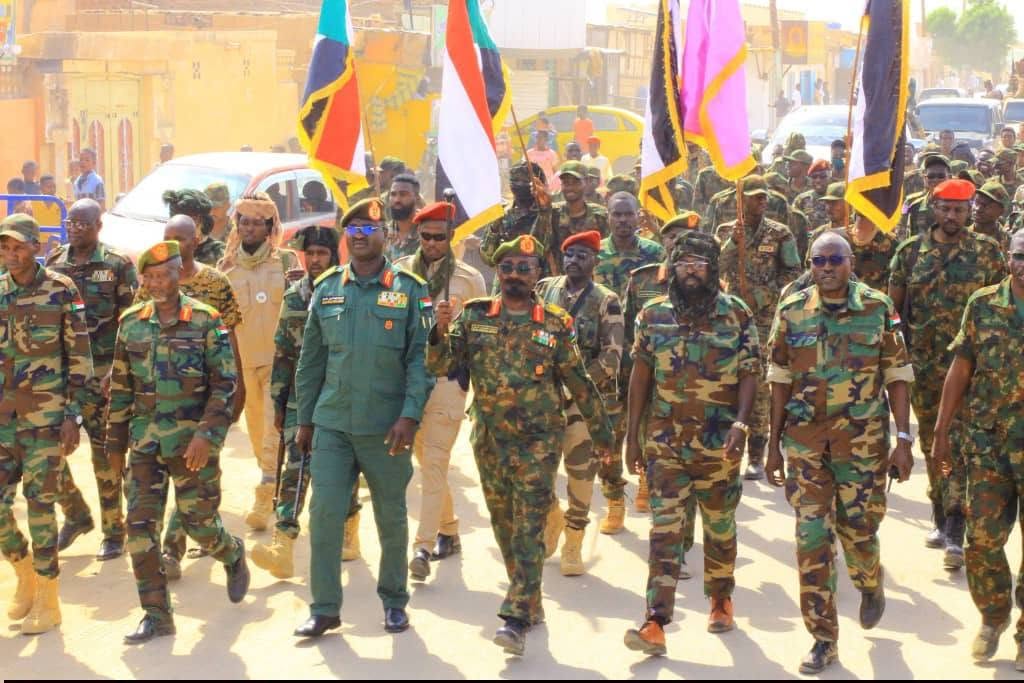
KHARTOUM – The Sudanese Armed Forces (SAF) held a military parade in Khartoum on Friday to mark the 72nd anniversary of its establishment, in a display that carried political and military symbolism as the army seeks to project recovery, cohesion and restored state presence after more than three years of war.
Residents lined parts of the capital to watch troops, military vehicles and aircraft taking part in the parade, marking the return of one of the main public traditions associated with Sudan’s annual Army Day celebrations.
The parade featured several branches of the armed forces, including the air force, armoured corps, artillery, navy and other military formations. Aircraft, helicopters, tanks, armoured personnel carriers, self-propelled artillery and other military vehicles were displayed.
This year’s commemoration was held under exceptional circumstances, as the war between the SAF and the Rapid Support Forces (RSF), which erupted in April 2023, continues across multiple fronts. The army and allied forces have been seeking to retake territory lost during the conflict while consolidating recent gains in several regions.
The SAF had largely avoided large-scale military parades in recent years because of political upheaval, insecurity and the war. Their return to Khartoum this year comes as state institutions gradually resume activity in the capital following the army’s recapture of key parts of the city.
The parade also coincided with the renewed use of the Republican Palace in Khartoum after renovations, a symbolic step for a government that spent much of the war operating from Port Sudan as fighting devastated state buildings and neighborhoods across the capital.
Army and the War
Army Day comes this year as the SAF faces one of the most serious military tests in its modern history. The conflict that began in April 2023 turned into an open war with the RSF, a force that had been part of Sudan’s military and security establishment before relations between the two sides collapsed.
During the war, the army has fought major battles in Khartoum, Darfur, Kordofan, Blue Nile and other regions. It has relied not only on its regular units, but also on allied armed movements, the Joint Force, popular resistance groups and other formations supporting the state.
In recent months, battlefield momentum has shifted in favor of the SAF and its allies on several fronts, particularly in parts of Khartoum, Kordofan and North Darfur. However, fighting, drone attacks and RSF counteroffensives continue to threaten towns, supply routes and civilian infrastructure.
For the army, the parade was therefore more than a ceremonial event. It was also a message of resilience after a war that exposed weaknesses in command, logistics, air defense, urban warfare and coordination with allied forces.
Years of Marginalization and Parallel Forces
The anniversary has also renewed debate over the condition of Sudan’s military institution during the rule of former President Omar al-Bashir, who came to power through a military coup in June 1989.
Military analysts and critics of the former regime say the army was gradually weakened during the years of Islamist rule, while parallel security and paramilitary structures were expanded and used in internal wars. They argue that the regime invested heavily in loyalist forces, militias and security agencies while reducing the army’s independent political influence.
Some analysts link that policy to the regime’s fear of military coups, given that Bashir himself seized power through one. According to this view, the former regime sought to build a layered security system that could balance, contain or bypass the regular army.
The long-term consequences of that approach became more visible after the outbreak of the current war. The RSF, which grew out of Darfur’s militia networks and later became a powerful national paramilitary force, eventually turned into the army’s main battlefield opponent.
Critics say the current conflict is therefore not only a war between two armed forces, but also the result of decades of state reliance on parallel military structures, weak institutional reform and the politicization of security forces.
A Parade Amid War
The 72nd anniversary parade came as Sudan’s government seeks to show that Khartoum is gradually returning to official and public life after years of fighting. The sight of military units parading through the capital carried significance for supporters of the army, many of whom view the SAF as the last remaining national institution capable of preserving the state.
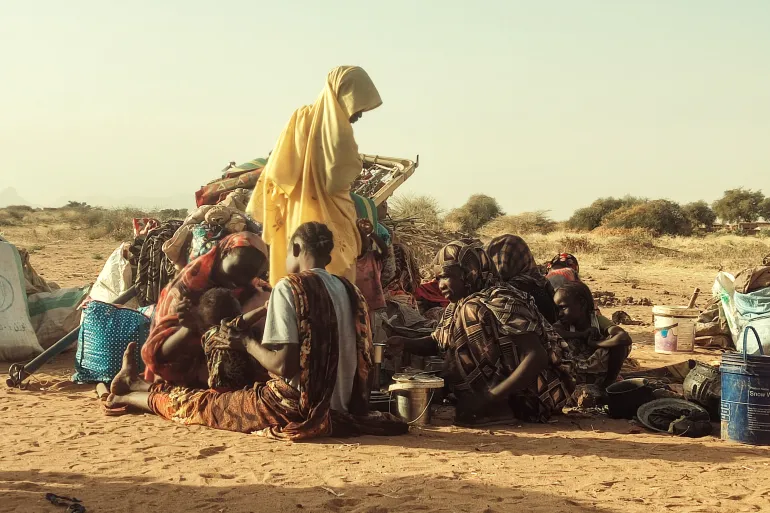
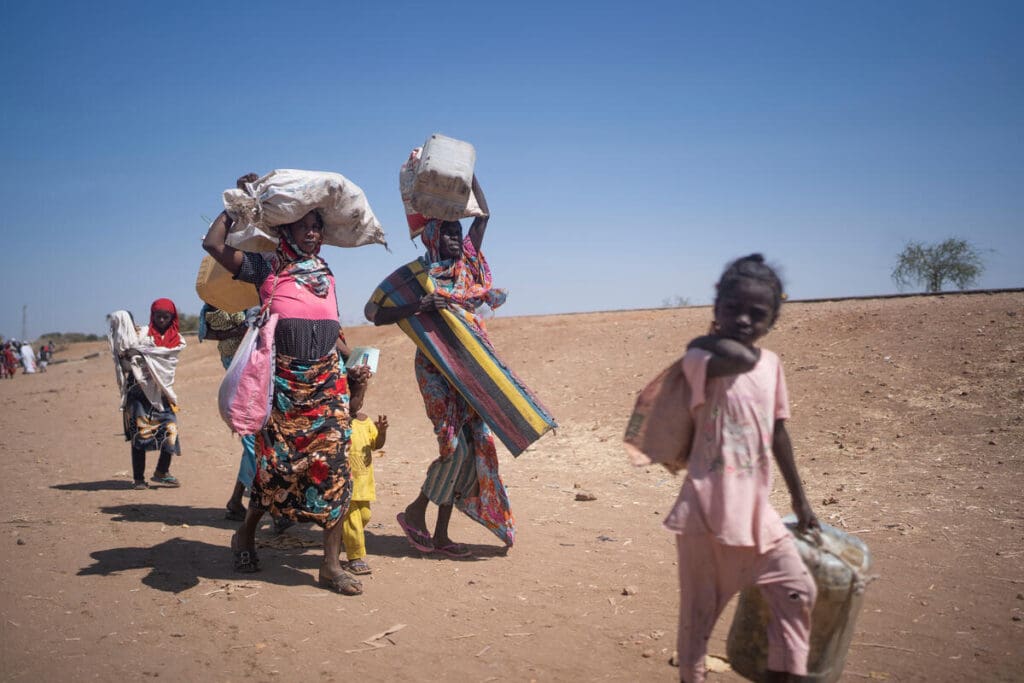
At the same time, the war continues to impose heavy costs. Millions of Sudanese remain displaced, humanitarian needs continue to grow and large parts of the country remain affected by insecurity, destroyed infrastructure and collapsing basic services.
The parade also took place as the conflict has entered a more complex phase, with drone attacks, cross-regional offensives and shifting alliances extending the war beyond traditional front lines.
Sudan marks Armed Forces Day on August 14 each year. This year’s anniversary came at a moment when the army is seeking to restore its image, rebuild its operational capacity and present itself as the center of national authority after a war that has reshaped the country’s political and military landscape.