

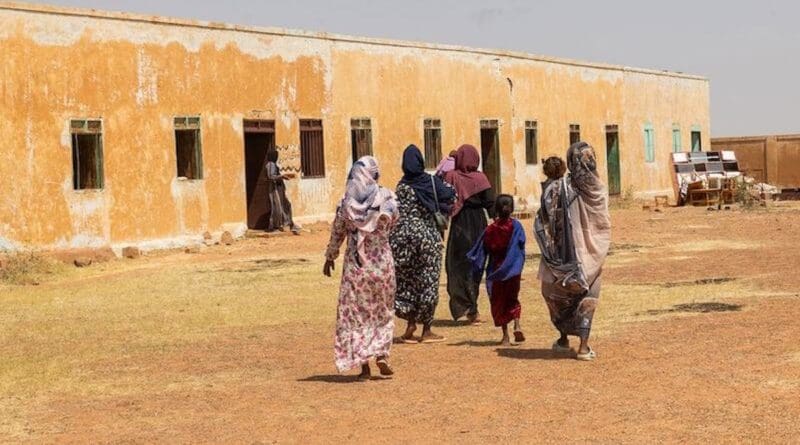
EL OBEID – Critical water services for displaced communities in North Kordofan and North Darfur are at risk as rising fuel costs and severe funding shortages threaten humanitarian operations, the U.N. Office for the Coordination of Humanitarian Affairs (OCHA) said.
In El Obeid, water trucking to the Mina Al Bari displacement site, home to more than 9,000 families, could be disrupted because of higher fuel prices and insufficient humanitarian funding.
In Tawila, North Darfur, the situation is more severe. OCHA said water trucking serving about 150,000 people is expected to decline sharply in the coming months unless additional funding is secured.
Tawila is currently hosting about 625,000 displaced people, while humanitarian agencies deliver up to 2,500 cubic metres of water each day to part of the displaced population.
A reduction in water deliveries would add to already severe humanitarian pressures facing families displaced by the war, particularly in areas where access to reliable water infrastructure remains limited.
Drone Attack Kills Civilian in El Obeid
The funding warning came as OCHA reported continued attacks on civilians in North Kordofan.
A drone attack in El Obeid on Monday killed at least one civilian and damaged two civilian facilities — a university and a sports stadium — according to humanitarian reports cited by OCHA.
It was the second consecutive day that drone attacks had been reported in the city.
OCHA did not identify the party responsible for the strikes.
Sudan Aid Plan Less Than 43% Funded
Sudan’s humanitarian response remains severely underfunded despite growing needs created by conflict, displacement and climate shocks.
The 2026 Humanitarian Needs and Response Plan requires $2.9 billion to assist more than 20 million people, but only about $1.2 billion has been received.
That leaves the appeal less than 43% funded, limiting the ability of humanitarian organizations to maintain water, health, food and other essential services.
OCHA called for additional and flexible funding to prevent further reductions in life-saving assistance.