
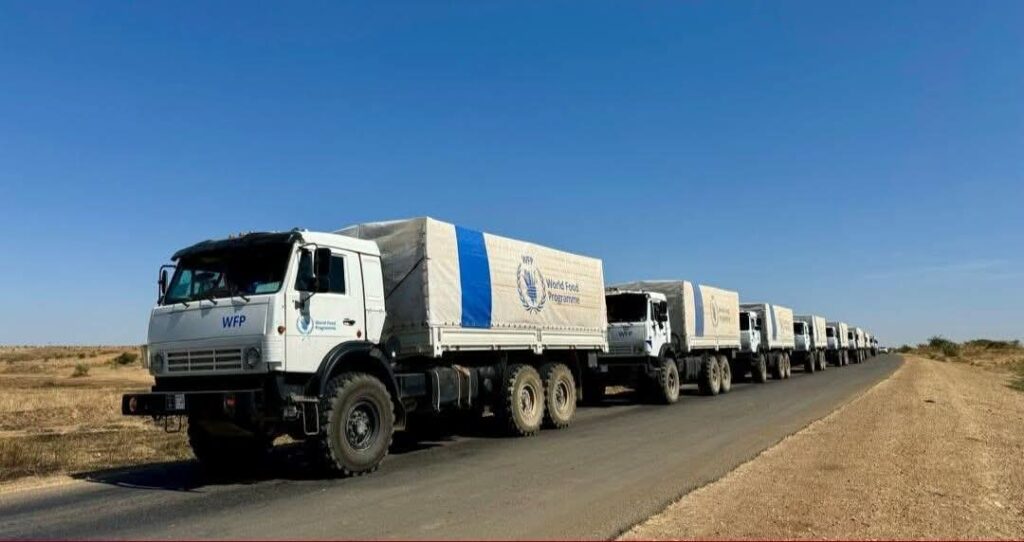
KHARTOUM – International and local humanitarian organizations have dispatched 36 aid trucks to nine areas across Sudan, as renewed fighting and fresh displacement increase pressure on already strained communities, a senior Sudanese official said.
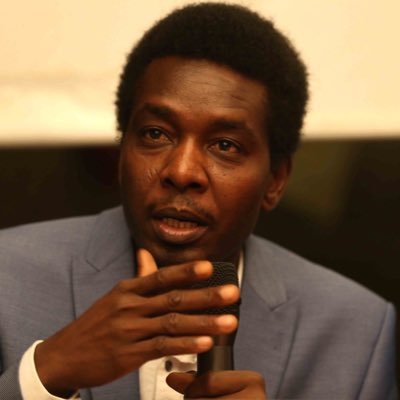
Lt. Gen. Al-Sadiq Ismail, adviser to the Sovereign Council for organizations and humanitarian affairs, said the convoys were sent as part of efforts to respond to urgent humanitarian needs and recent waves of displacement.
The trucks included 19 vehicles from the World Food Programme, six from the International Organization for Migration, 10 from Al-Ishraq Organization for Development, and one from the United Nations Population Fund.
The aid was directed to Khartoum, Gedaref, Al-Dabbah, Ad-Damazin, Ed Daein, Sila, Mellit, Tawila and El Obeid, according to the statement.
The announcement comes as Sudan faces one of the world’s largest humanitarian crises, with millions displaced by the war between the Sudanese Armed Forces (SAF) and the Rapid Support Forces (RSF) since April 2023. Aid agencies have repeatedly warned that insecurity, damaged roads, bureaucratic restrictions and funding gaps continue to obstruct relief operations.
In a related meeting, Ismail discussed relief measures with West Kordofan Governor Hamed Hamad Tirab, focusing on people displaced from the state, including those now sheltering in North Kordofan and other areas.
Ismail said assistance should target both displaced families and host communities, which have absorbed large numbers of people fleeing violence and are under growing pressure over food, water, health care and shelter.
Tirab praised the adviser’s office for helping remove administrative and logistical obstacles facing humanitarian organizations, saying such coordination could accelerate aid delivery to displaced and conflict-affected people.
The aid dispatch follows new displacement in several states during July and August 2026, driven by escalating clashes in Kordofan, Darfur and Blue Nile. Fighting and attacks have forced civilians to move toward relatively safer areas, including North Kordofan and Gedaref.
In North Kordofan, military operations have intensified around El Obeid, Bara and Jabra Al-Sheikh, while fighting and insecurity continue to affect routes linking the region to Darfur. In Blue Nile, recent violence around Qeisan and other areas has also raised concern over new displacement and cross-border humanitarian risks.
The delivery also comes as humanitarian actors continue to push for safer and more predictable access across front lines and border corridors, including routes into Darfur, where displacement camps such as Tawila and areas around Mellit remain under severe pressure


