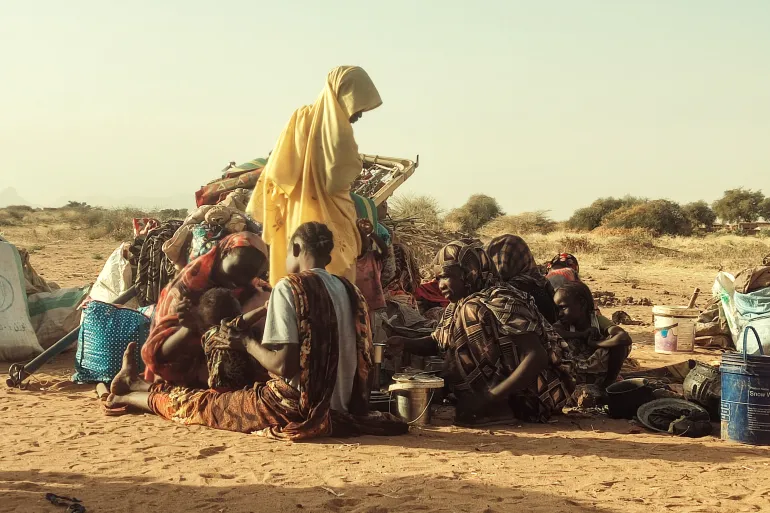

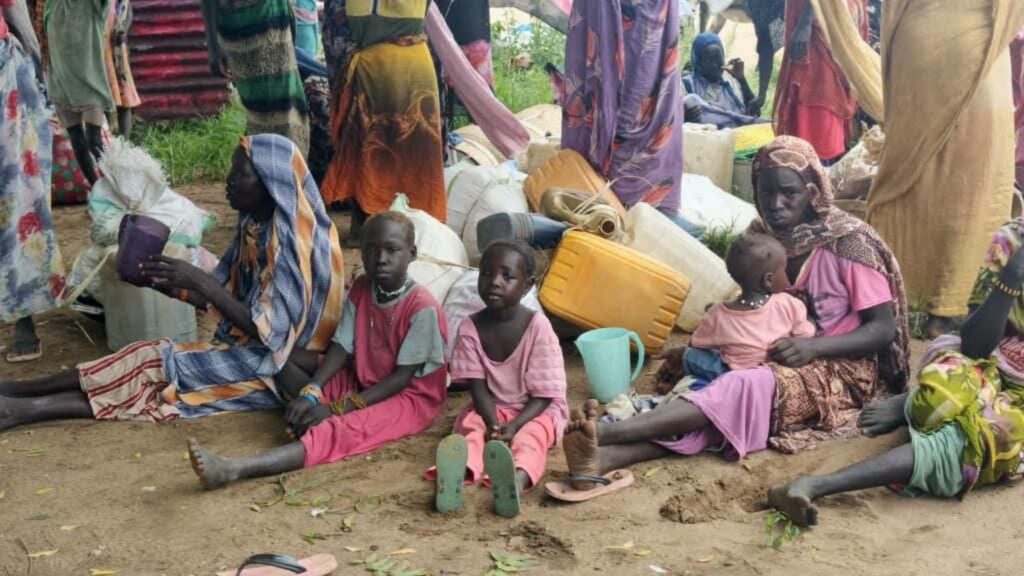
BLUE NILE – A civil society group in Sudan’s Blue Nile region has warned of a worsening humanitarian and health crisis affecting more than 42,000 displaced people in Qeisan locality and areas along the Ethiopian border, citing severe shortages of food, clean water, shelter and medical care.
The Blue Nile Civil Society Initiative said in a statement dated Sept. 17 that 42,271 displaced people were living in the affected areas, including 24,266 children, 11,713 women and 6,463 men, spread across 3,803 families.
The group said many displaced families were living outdoors, including under trees, and lacked basic protection from weather conditions.
According to figures provided by the initiative, 24,836 people were displaced in Famodo/Abu Dagla, 7,080 in Sansanaw, 6,549 in Agaro/Ajo, 1,488 in Qal Ing, while 2,318 people were reported to be in areas inside Ethiopia.
The initiative said the affected areas were under the control of the Sudan People’s Liberation Movement-North (SPLM-N) and its ally, the Rapid Support Forces (RSF).
It said continued fighting and insecurity had made it difficult for humanitarian organizations and basic services to reach civilians. Sudan Now could not independently verify the territorial control claims or the displacement figures.
The group warned that the humanitarian situation could deteriorate further with the rainy season, which can restrict movement and increase the risk of waterborne, environmental and mosquito-borne diseases.
It expressed particular concern about malnutrition among children and the wider health risks facing women, older people and other vulnerable groups already struggling with shortages of food, water and medical care.
The initiative called on all parties to the conflict to agree to an immediate humanitarian ceasefire across Blue Nile, saying this was necessary to protect civilians and allow food, medicines, clean water and shelter to reach affected communities.
It also urged forces controlling the affected areas not to obstruct humanitarian operations and called for the safety of civilians and aid workers to be guaranteed.
The group appealed to the United Nations, international humanitarian agencies, donors and organizations operating in Sudan and Ethiopia to urgently assess needs on the ground and provide food, safe drinking water, shelter, medicines, medical supplies, nutrition services and health care.
It said priority should be given to children, women and families living in the open.
The statement warned that the presence of more than 42,000 displaced people, including over 24,000 children, in conditions marked by hunger, inadequate shelter and deteriorating health services required an immediate humanitarian response.
The initiative also called for safe humanitarian corridors and said civilians should not bear the consequences of the conflict.