
Khartoum – Sudan’s economic task force on Tuesday outlined measures aimed at stabilizing the exchange rate, including tighter controls on gold exports and fuel imports, as authorities grapple with the economic fallout of a war now in its fourth year.
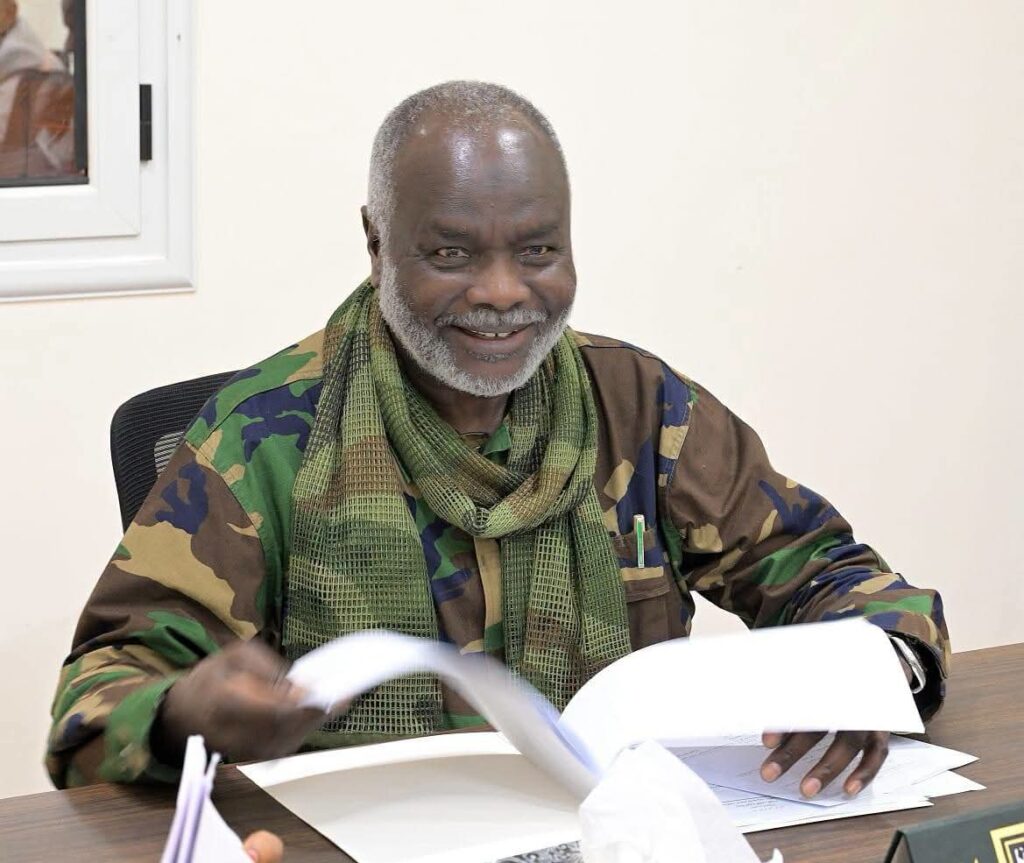
The meeting, chaired by Finance Minister Jibril Ibrahim, brought together a government team tasked with developing urgent responses to challenges affecting exports, imports and foreign currency flows, according to the state-run Sudan News Agency (SUNA).
Participants said exchange rate stability depends on broader macroeconomic reforms, stronger coordination between monetary and fiscal policies and increased support for productive sectors of the economy.
The task force stressed the need to strengthen oversight of the gold and petroleum sectors, which officials identified as key factors influencing exchange rate movements, and called for measures to ensure export proceeds are repatriated through official channels.
The meeting also emphasized boosting domestic production, supporting local industries and increasing value-added exports in an effort to reduce reliance on imports and improve foreign currency earnings.
The Sudanese pound has faced sustained pressure since the outbreak of war between the Sudanese Armed Forces (SAF) and the Rapid Support Forces (RSF) in April 2023. The conflict has disrupted production, trade routes and export activity while reducing government revenues and foreign exchange inflows.
Officials further called for stronger regulation of cross-border trade, efforts to curb informal economic activity and policies aimed at improving the trade balance through import substitution and incentives for exporters.
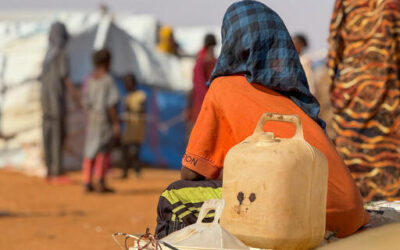
Sudan’s economy has been hit by rising inflation, shortages of foreign currency and repeated disruptions to key export sectors during the conflict. The war has also damaged infrastructure, displaced millions of people and increased pressure on public finances and essential services.
The task force said improving foreign exchange inflows and strengthening confidence in formal economic institutions remain essential for stabilizing markets and supporting economic recovery.
The meeting forms part of broader government efforts to address exchange rate volatility and limit the economic impact of a conflict that has triggered one of the world’s largest humanitarian and displacement crises.