Introduction
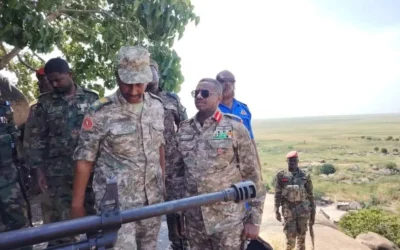
The Sudanese Armed Forces (SAF) are the official military of Sudan and one of the country’s principal state institutions. Led by General Abdel Fattah al-Burhan, the SAF is responsible for defending Sudan’s sovereignty, protecting its territorial integrity and maintaining national security. Since April 2023, the SAF has been one of the two main parties in the Sudan war, alongside the Rapid Support Forces (RSF). This guide explains the history, leadership, structure, responsibilities and role of the Sudanese Armed Forces in the country’s political and military landscape.
Overview
The Sudanese Armed Forces (SAF) are Sudan’s regular national military and the country’s primary defense institution. The force is composed of the army, air force, navy and supporting branches, operating under the command of the Commander-in-Chief.
The SAF has played a central role in Sudan’s political and military affairs since the country’s independence in 1956. In addition to its responsibility for national defense, the military has periodically exercised political power through military governments and transitional authorities.
Following the 2019 removal of President Omar al-Bashir, the SAF became a leading institution in Sudan’s transitional administration. General Abdel Fattah al-Burhan assumed leadership of the Transitional Sovereignty Council, while the military remained a key actor in negotiations over the country’s political future.
In April 2023, tensions between the SAF and the Rapid Support Forces (RSF) escalated into open conflict, marking the beginning of the Sudan war. Since then, the SAF has conducted military operations across multiple regions and remains one of the two principal parties to the conflict.
History
The origins of the Sudanese Armed Forces (SAF) date back to the period of Anglo-Egyptian rule, when modern military units were established as part of the Sudan Defence Force in 1925. Following Sudan’s independence in 1956, these forces became the foundation of the country’s national military.
Throughout Sudan’s post-independence history, the SAF has played a prominent role in both national defense and politics. The military has participated in several armed conflicts, including the First and Second Sudanese Civil Wars, the Darfur conflict and operations in other regions of the country. It has also been involved in multiple military coups and transitional governments.
In April 2019, the SAF removed President Omar al-Bashir after months of nationwide protests. The military subsequently shared power with civilian representatives during a transitional period, although political tensions continued over the future of Sudan’s governance and security institutions.
Following the military takeover in October 2021, disagreements between the SAF and the Rapid Support Forces (RSF) intensified over security sector reform and the proposed integration of the RSF into the national military. These disputes ultimately led to the outbreak of war on 15 April 2023, making the SAF one of the principal parties in Sudan’s ongoing conflict.
Leadership
The Sudanese Armed Forces (SAF) are led by the Commander-in-Chief, who oversees the country’s military operations, strategic planning and national defense. Since 2019, General Abdel Fattah al-Burhan has served as the SAF’s Commander-in-Chief and has played a central role in Sudan’s political and military affairs.
The SAF operates through a hierarchical command structure that includes senior military officers responsible for the army, air force, navy and other specialized branches. Military leadership is responsible for planning operations, managing personnel and coordinating national defense activities.
Following the removal of President Omar al-Bashir in April 2019, General al-Burhan became chairman of Sudan’s Transitional Military Council before later assuming the leadership of the Transitional Sovereignty Council. During Sudan’s political transition, the military remained a key participant in negotiations with civilian groups and other political actors.
Since the outbreak of the Sudan war in April 2023, the SAF leadership has directed military operations against the Rapid Support Forces (RSF) while continuing to represent Sudan in regional and international diplomatic engagements related to the conflict.
Structure
The Sudanese Armed Forces (SAF) are organized as Sudan’s national military and consist of several service branches operating under a unified command. The force is structured to carry out conventional military operations, defend the country’s territorial integrity and respond to national security threats.
The SAF’s principal branches include the Sudanese Army (Ground Forces), the Sudanese Air Force and the Sudanese Navy. The military also includes air defence units, engineering corps, logistics and support services, military intelligence and specialized formations responsible for communications, medical services and training.
Military headquarters are located in Khartoum, although the conflict that began in 2023 has affected command facilities and military deployments in several parts of the country. Operational commands oversee forces across Sudan’s different regions, coordinating land, air and logistical operations.
Like many national armed forces, the SAF maintains military academies and training institutions to prepare officers and enlisted personnel. Recruitment, training and force modernization have remained important priorities, although the ongoing conflict has significantly influenced military planning, organization and operational requirements.
Role in Sudan
The Sudanese Armed Forces (SAF) have long served as Sudan’s principal military institution, with responsibilities that extend beyond national defense. In addition to protecting the country’s sovereignty and territorial integrity, the SAF has played a significant role in maintaining internal security and responding to armed conflicts in different parts of Sudan.
Throughout Sudan’s modern history, the military has also been a major political actor. The SAF has overseen transitional governments, participated in political negotiations and, at various times, assumed executive authority following changes in government. This dual military and political role has made the institution one of the country’s most influential centers of power.
Following the 2019 political transition, the SAF became a key participant in efforts to establish a civilian-led government while also engaging in negotiations over security sector reform. Discussions on integrating the Rapid Support Forces (RSF) into the national military became one of the most contentious issues during this period.
Since the outbreak of the Sudan war in April 2023, the SAF has focused primarily on military operations against the RSF while continuing to support the functioning of state institutions in areas under government control. The armed forces remain central to Sudan’s security, political and diplomatic landscape as the conflict continues.
SAF and the Sudan War
The Sudanese Armed Forces (SAF) have been one of the two principal parties in the Sudan war since fighting erupted on 15 April 2023. The conflict began after months of growing tensions between the SAF and the Rapid Support Forces (RSF) over security sector reform and the proposed integration of the RSF into the national military.
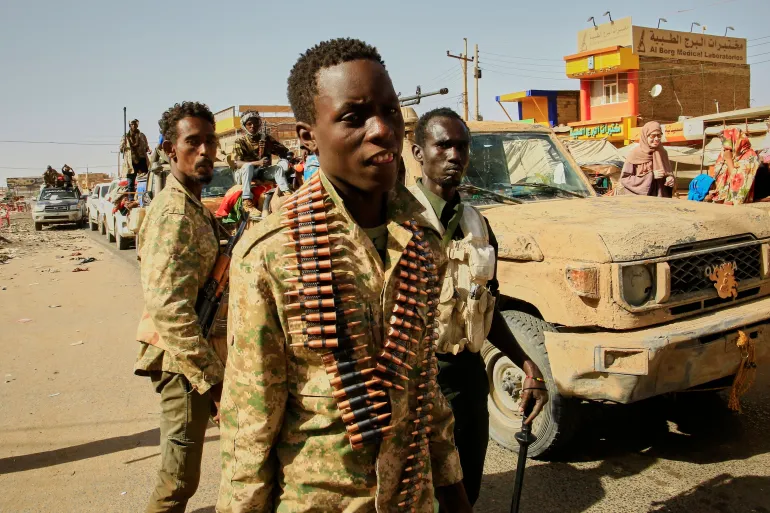
Since the start of the conflict, the SAF has conducted military operations across several regions, including Khartoum, Darfur, Kordofan, Gezira State and other parts of Sudan. The intensity of the fighting and control of territory have changed over time as both sides have launched major offensives and counteroffensives.
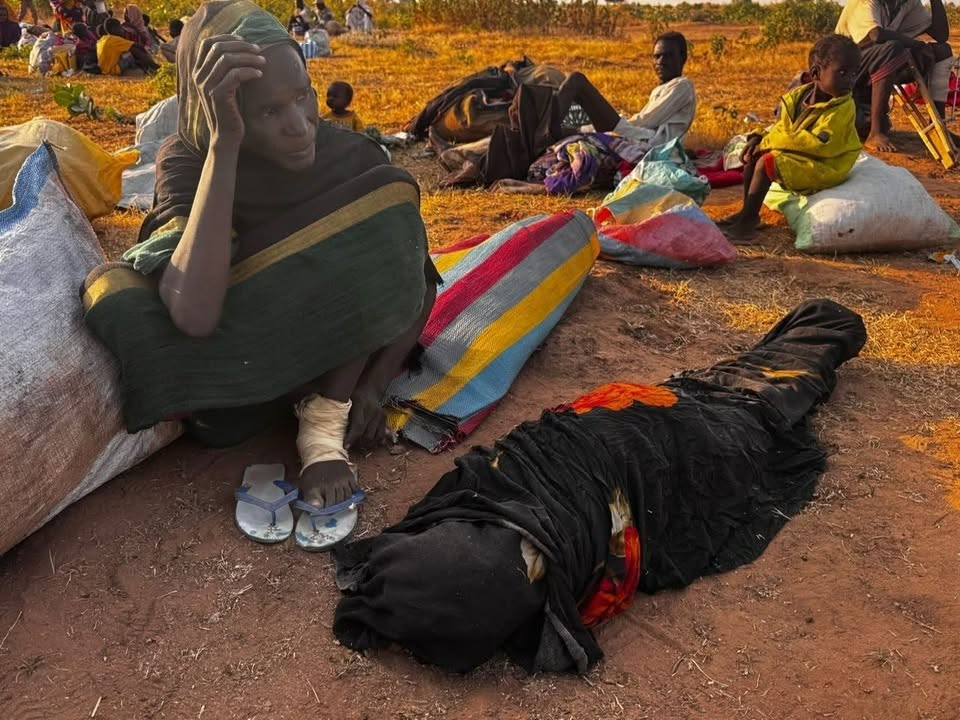
The conflict has been accompanied by allegations of violations of international humanitarian law and human rights abuses involving all parties. The Sudanese government has rejected some accusations directed at the SAF, while the United Nations, international organizations and human rights groups have called for independent investigations and accountability wherever violations have occurred.
As the war has continued, the SAF has remained central to Sudan’s military, political and diplomatic landscape. In addition to its military operations, the armed forces have represented the Sudanese government in regional and international efforts aimed at achieving a ceasefire, expanding humanitarian access and supporting a political resolution to the conflict.
International Relations
The Sudanese Armed Forces (SAF) represent Sudan in military and defense relations with other countries and international organizations. Throughout their history, the armed forces have maintained military cooperation with regional and international partners through training programs, defense agreements and security cooperation.
Since the outbreak of the Sudan war in April 2023, the SAF has become the primary representative of the Sudanese government in diplomatic discussions concerning the conflict. Military and government officials have participated in regional and international initiatives aimed at securing ceasefires, expanding humanitarian access and supporting a political resolution.
The SAF has also engaged with organizations including the African Union (AU), the Intergovernmental Authority on Development (IGAD), the United Nations (UN) and other international partners as diplomatic efforts to end the conflict have continued.
Sudan’s international military relationships have evolved alongside political developments and the changing security environment. The ongoing conflict has significantly influenced the country’s defense cooperation, foreign relations and regional security priorities.
International Relations
The Sudanese Armed Forces (SAF) represent Sudan in military and defense relations with other countries and international organizations. Throughout their history, the armed forces have maintained military cooperation with regional and international partners through training programs, defense agreements and security cooperation.
Since the outbreak of the Sudan war in April 2023, the SAF has become the primary representative of the Sudanese government in diplomatic discussions concerning the conflict. Military and government officials have participated in regional and international initiatives aimed at securing ceasefires, expanding humanitarian access and supporting a political resolution.
The SAF has also engaged with organizations including the African Union (AU), the Intergovernmental Authority on Development (IGAD), the United Nations (UN) and other international partners as diplomatic efforts to end the conflict have continued.
Sudan’s international military relationships have evolved alongside political developments and the changing security environment. The ongoing conflict has significantly influenced the country’s defense cooperation, foreign relations and regional security priorities.
Frequently Asked Questions (FAQ)
What does SAF stand for?
SAF stands for the Sudanese Armed Forces, the official national military of Sudan. The force is responsible for defending the country’s sovereignty, territorial integrity and national security.
Who leads the Sudanese Armed Forces?
The Sudanese Armed Forces are led by General Abdel Fattah al-Burhan, who has served as the Commander-in-Chief since 2019.
What is the difference between the SAF and the RSF?
The SAF is Sudan’s regular national military, while the Rapid Support Forces (RSF) are a separate paramilitary organization established under Sudanese law. The two forces became opposing sides in the Sudan war that began in April 2023.
When were the Sudanese Armed Forces established?
The modern Sudanese Armed Forces were established following Sudan’s independence in 1956, building on the Sudan Defence Force created during the Anglo-Egyptian administration in 1925.
What is the role of the SAF?
The SAF is responsible for defending Sudan against external threats, protecting its territorial integrity, supporting national security and conducting military operations when authorized by the state.
Is the SAF involved in the Sudan war?
Yes. Since fighting began on 15 April 2023, the Sudanese Armed Forces have been one of the two principal parties in the conflict, alongside the Rapid Support Forces (RSF).
Related Guides
To better understand the Sudanese Armed Forces (SAF) and the broader Sudan conflict, explore these related reference guides:
– Sudan War Explained
– Who are the Rapid Support Forces (RSF)?
– Who is Abdel Fattah al-Burhan?
– Who is Mohamed Hamdan Dagalo (Hemedti)?
– Sudan Conflict Timeline
– Sudan Humanitarian Crisis
– Sudan Economy
– History of Sudan
Sources
This guide is based on information published by official institutions, international organizations and established news organizations, including:
– Sudanese Armed Forces official statements
– United Nations (UN)
– African Union (AU)
– Intergovernmental Authority on Development (IGAD)
– Reuters
– The Associated Press (AP)
– International Crisis Group (ICG)
– Stockholm International Peace Research Institute (SIPRI)
– Sudan Now reporting
Last Updated
Last updated: July 2026
This reference guide is reviewed regularly and updated to reflect significant developments involving the Sudanese Armed Forces (SAF), including changes in leadership, military structure, operational responsibilities and the ongoing conflict in Sudan.