
KHARTOUM – The International Committee of the Red Cross (ICRC) warned on Thursday that the collapse of forensic services amid Sudan’s ongoing conflict could leave thousands of people unaccounted for, stressing that the proper management and identification of human remains are essential to preserving the dignity of the dead and helping families learn the fate of missing relatives.
In a statement, the ICRC said the conflict has devastated large parts of Sudan and disrupted forensic and public health services, increasing the risk that many victims will never be identified or formally recorded.
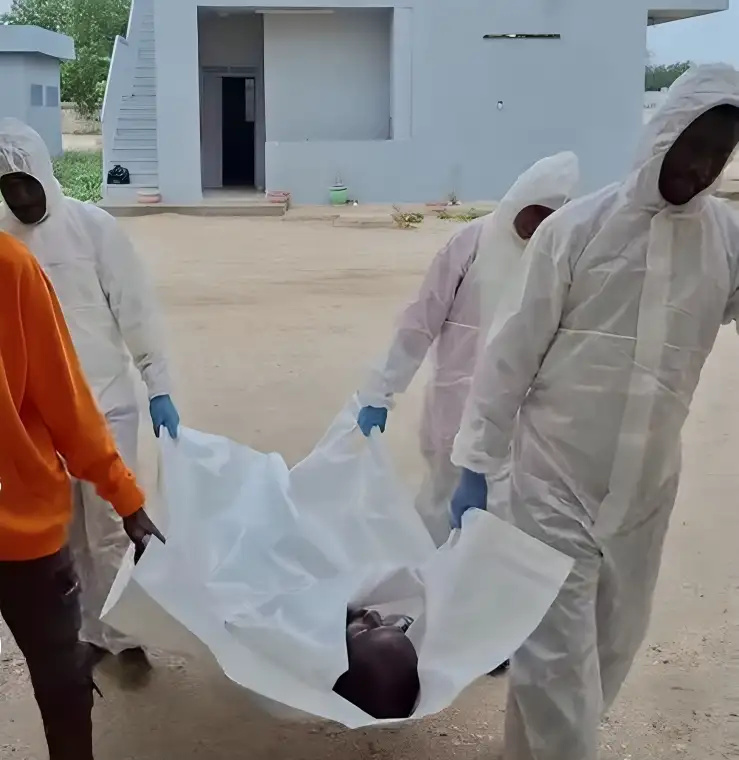
The organization said international humanitarian law requires the dead to be treated with dignity and recognizes the right of families to know the fate of their loved ones, describing the management and documentation of human remains as a critical humanitarian priority.
The ICRC said it recently supplied body bags and personal protective equipment to the Military Hospital in Ad-Damazin, in Sudan’s Blue Nile Region, as well as to the Sudanese Red Crescent Society branch, the Military Hospital and the Teaching Hospital in El Obeid, North Kordofan, to support the safe and dignified handling of human remains.
It said the assistance is part of broader forensic programs across Sudan that include rehabilitating morgues, upgrading forensic infrastructure, strengthening the capacity of specialists and training Sudanese Red Crescent volunteers and medical personnel on the proper recovery, documentation and management of human remains.
According to the ICRC, the programs also seek to improve the systematic recording of burials and unidentified bodies, helping reduce the number of missing persons and increasing the chances that families will eventually learn the fate of relatives lost during the conflict.
Sudan’s healthcare and public service institutions have been severely affected by more than three years of conflict between the Sudanese Armed Forces (SAF) and the Rapid Support Forces (RSF). The fighting has forced hospitals and morgues to close or operate with limited capacity in several parts of the country, further complicating efforts to identify victims and account for the missing.