
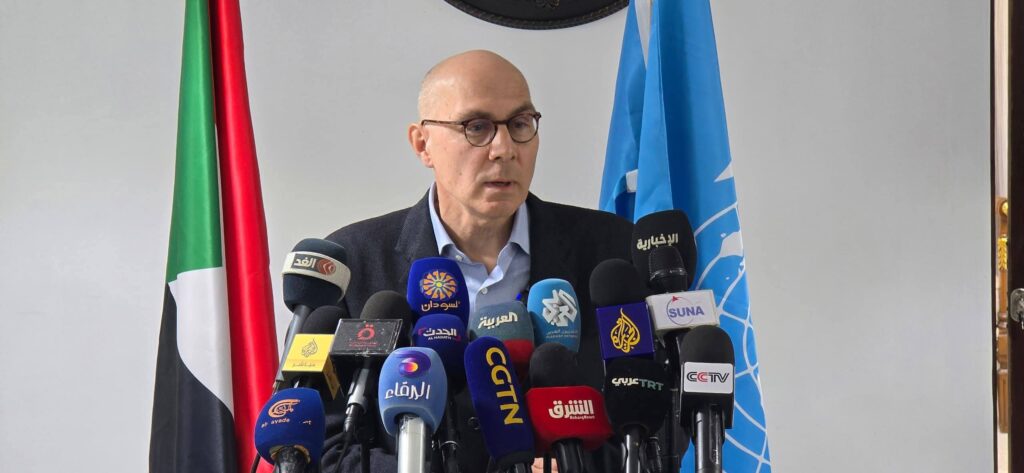
GENEVA – U.N. High Commissioner for Human Rights Volker Türk warned on Wednesday that Sudan’s city of El Obeid faces the risk of atrocities similar to those committed in El Fasher, urging world leaders to act immediately to prevent what he described as a looming human rights catastrophe.
Addressing a special session of the U.N. Human Rights Council in Geneva, Türk said the warning signs from El Obeid were “clear and unmistakable,” with civilians enduring nearly 18 months of siege-like conditions while fighting between the Sudanese Armed Forces (SAF) and the Rapid Support Forces (RSF) intensifies around the city.
Türk said his office documented 15 drone attacks on El Obeid and surrounding areas between June 6 and June 28, killing at least 45 civilians and injuring 41 others, while warning that the actual toll was likely higher.
He said drones used in the conflict had struck markets, schools, fuel stations, water facilities and civilian vehicles across Kordofan. His office also documented damage to 13 fuel stations in El Obeid and Al Rahad during attacks it attributed to the RSF.
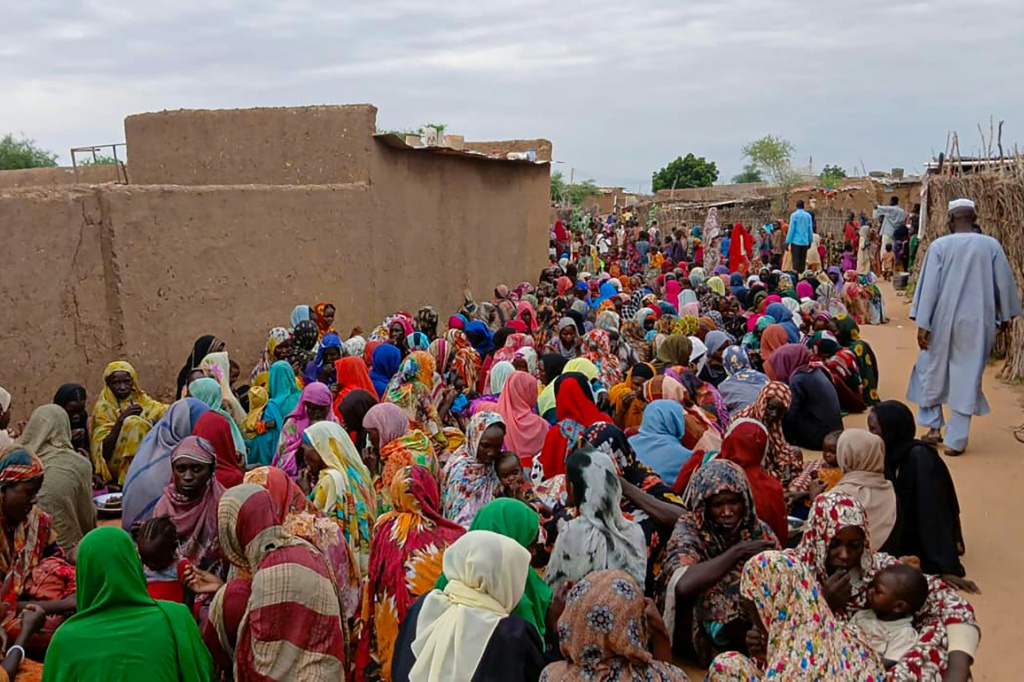
Türk said the destruction of civilian infrastructure and fuel shortages had severely disrupted access to clean water, food, healthcare, transportation and communications. He warned that water shortages in El Obeid had reached critical levels at the start of the rainy season, increasing the risk of waterborne diseases, including cholera, as tens of thousands of displaced people continue to arrive from other parts of Kordofan.
He said many residents had been forced to sell their possessions to finance their escape, while others remained trapped because of high transportation costs and attacks targeting routes out of the city.
The High Commissioner said his office had also documented summary executions, kidnappings, torture, ill-treatment, sexual violence and looting along civilian displacement routes across Kordofan. Civilians who remained in El Obeid faced risks of arbitrary arrest and detention, while those fleeing RSF-controlled areas had been repeatedly accused of collaborating with parties to the conflict amid rising hate speech.
Türk warned against a repeat of the violence that followed the fall of El Fasher and the nearby Zamzam camp, saying his office had concluded that at least 6,000 people were killed within just three days after the RSF captured El Fasher.
He said investigations found that the RSF and allied militias committed war crimes and crimes against humanity, including mass killings, summary executions, sexual violence and torture.
“These crimes were foreseeable,” Türk said, adding that his office had repeatedly warned of the risks before they occurred, “but they were not prevented.”
“This is not a drill. It is a red alert that must reach the desks of presidents and prime ministers around the world,” he said, urging international leaders to act in the coming days and weeks to prevent further atrocities in El Obeid and elsewhere in Kordofan.
Türk called on all governments to use their influence to press the parties to the conflict—particularly the RSF—to halt the assault on El Obeid, stop attacks on civilians and critical infrastructure, end the flow of weapons into Sudan and comply with international law.
He also urged the parties to allow civilians to leave El Obeid safely and voluntarily and called for an immediate humanitarian truce to enable the delivery of food and relief supplies to the city and surrounding areas.
The High Commissioner urged the U.N. Security Council to fulfill its responsibility to prevent atrocity crimes and renewed his call to expand the existing U.N. arms embargo on Darfur to cover the whole of Sudan, warning that continued arms flows from abroad risk prolonging the conflict indefinitely.
Türk also said the U.N. human rights office’s next report on Sudan would examine the country’s war economy, including the role of the gum arabic trade, gold and livestock in financing the conflict. He said the office was prepared to publish information on commercial interests linked to the war, as it has done in other conflicts.
The warning comes as international concern grows over escalating fighting in Kordofan and mounting calls for a ceasefire, protection of civilians and humanitarian workers, and accountability for war crimes and other serious violations committed during Sudan’s conflict.