
LONDON – Britain imposed sanctions on 15 senior commanders from the Sudanese Armed Forces and Rapid Support Forces over suspected atrocities, including conflict-related sexual violence, as it announced £15 million in new support for survivors and humanitarian operations in Sudan.
The measures, announced on Monday a year after the fall of El Fasher, impose asset freezes and travel bans on individuals Britain says were linked to abuses committed during Sudan’s war.
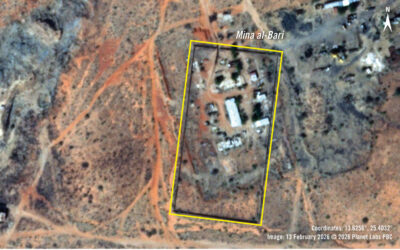
Among those sanctioned are RSF Col. Hussein Abu Jalak, whom the British government linked to atrocities during the siege of El Fasher, and Maj. Gen. Al-Nour Ahmed Adam, known as Al-Nour Al-Qubba, who was identified as having played a prominent role in the siege and assault on the North Darfur capital.
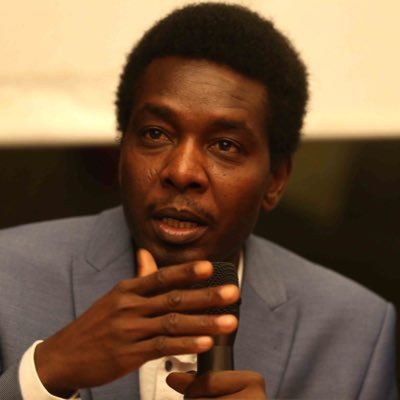
Al-Qubba later defected from the RSF in April 2026 and joined army-controlled forces. He has since publicly accused senior RSF commanders of responsibility for atrocities committed during the battle for El Fasher.
The British government said the sanctions target commanders from both sides suspected of involvement in atrocities, including conflict-related sexual violence.
The announcement comes one year after the RSF captured El Fasher following an approximately 18-month siege that severely restricted food, medicine and other essential supplies to hundreds of thousands of civilians.
The final assault in October 2025 was followed by widespread reports of killings, sexual violence, abductions, torture and mass displacement.
U.N. investigators later documented more than 6,000 killings during the first three days of the final assault, while saying the actual death toll was likely substantially higher.
£5 Million for Survivors of Sexual Violence
Britain also announced £5 million in funding for survivors of conflict-related sexual violence in Sudan.
The funding will support sexual and reproductive healthcare, maternal health services, psychosocial assistance and safe spaces for women and girls.
Foreign Secretary Ed Miliband said investigations supported by Britain indicated that sexual violence and starvation continued to be used against Sudanese civilians.
He called for perpetrators to be held accountable and urged external actors to stop supporting the warring parties.
The British announcement cited findings by the Centre for Information Resilience, whose investigations documented what it described as systematic starvation and conflict-related sexual violence committed during the war.
The investigations included accounts of women and girls being abducted, repeatedly raped and held in conditions amounting to sexual slavery.
They also documented siege tactics and efforts to restrict food and water supplies to civilian populations.
Another £10 Million for Humanitarian Response
Britain announced a further £10 million for humanitarian operations as Sudan faces an increasing risk of famine.
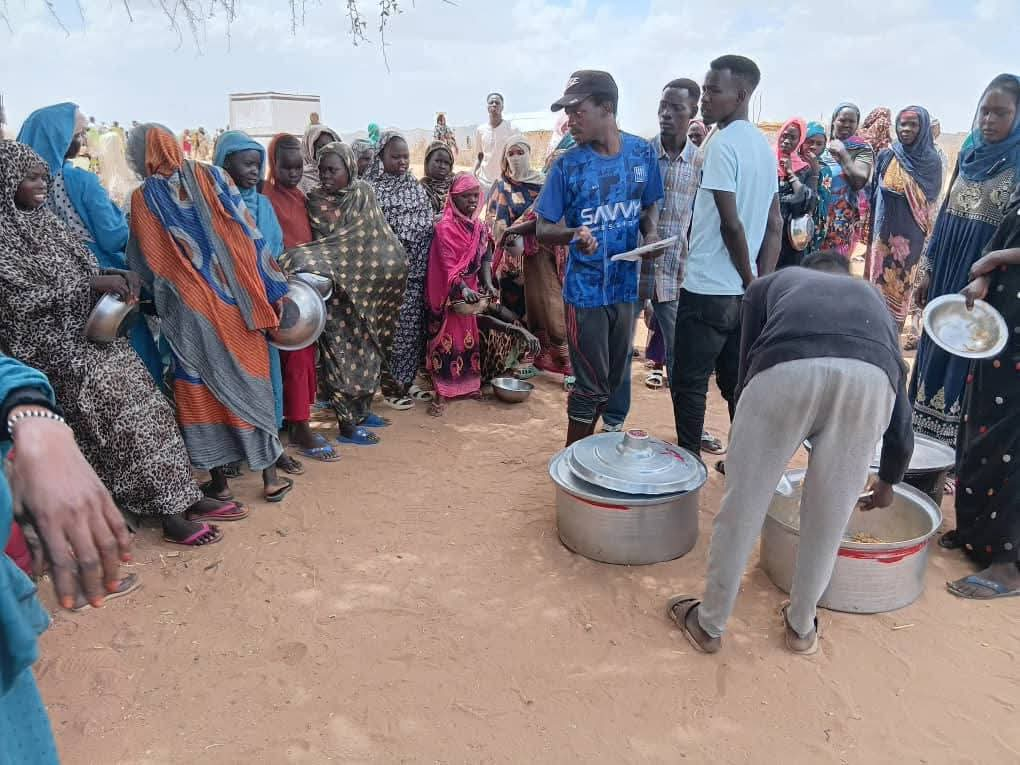
Part of the funding will support clean water and sanitation services in displacement sites around Tawila in North Darfur, where large numbers of people who fled El Fasher have sought refuge.
The package will also support health, protection and other essential services in El Obeid, North Kordofan, where continued fighting and restrictions on humanitarian access have left civilians facing severe needs.
Sudan’s food crisis has deteriorated sharply as conflict damages markets, health facilities, displacement camps and agricultural infrastructure while restricting humanitarian access.
International assessments have warned that millions of Sudanese are experiencing acute food insecurity and that famine risks could expand without rapid humanitarian access and increased funding.
Britain said drought associated with El Niño was adding further pressure to the crisis.
Siege Tactics Continue Across Sudan
The British government said tactics documented during the siege of El Fasher were continuing elsewhere in Sudan, including attacks on civilian infrastructure, obstruction of humanitarian operations and restrictions on food and water.
Drone warfare has also expanded rapidly during 2026.
The U.N. Human Rights Office said at least 306 people were killed by drone strikes during the first three weeks of October alone, with attacks hitting homes, markets, hospitals, displacement sites and essential infrastructure.
Britain called on both the SAF and RSF to stop attacks on humanitarian convoys and allow food and other assistance to reach civilians.
The latest measures follow five previous rounds of British sanctions related to Sudan’s war targeting individuals and networks accused of supporting or participating in abuses.
The conflict between the army and RSF began in April 2023 and has since displaced millions of people, devastated infrastructure and created one of the world’s largest humanitarian emergencies.