

GENEVA – Drone strikes across Sudan killed at least 306 people and injured hundreds more during the first three weeks of October, the U.N. human rights office said, warning that the expanding use of unmanned aircraft is inflicting a growing toll on civilians and essential infrastructure.
U.N. Human Rights Chief Volker Türk said strikes attributed to both the Sudanese Armed Forces (SAF) and the Rapid Support Forces (RSF) had hit homes, markets, hospitals, displacement sites, power stations and water sources across Kordofan, Darfur, Blue Nile, Khartoum and other states.
“The increasing use of drones, already accounting for the majority of conflict-related civilian deaths in Sudan this year, is deeply disturbing,” Türk said.
He warned that attacks were killing civilians, destroying vital services and driving further displacement in a country already facing one of the world’s most severe humanitarian crises.
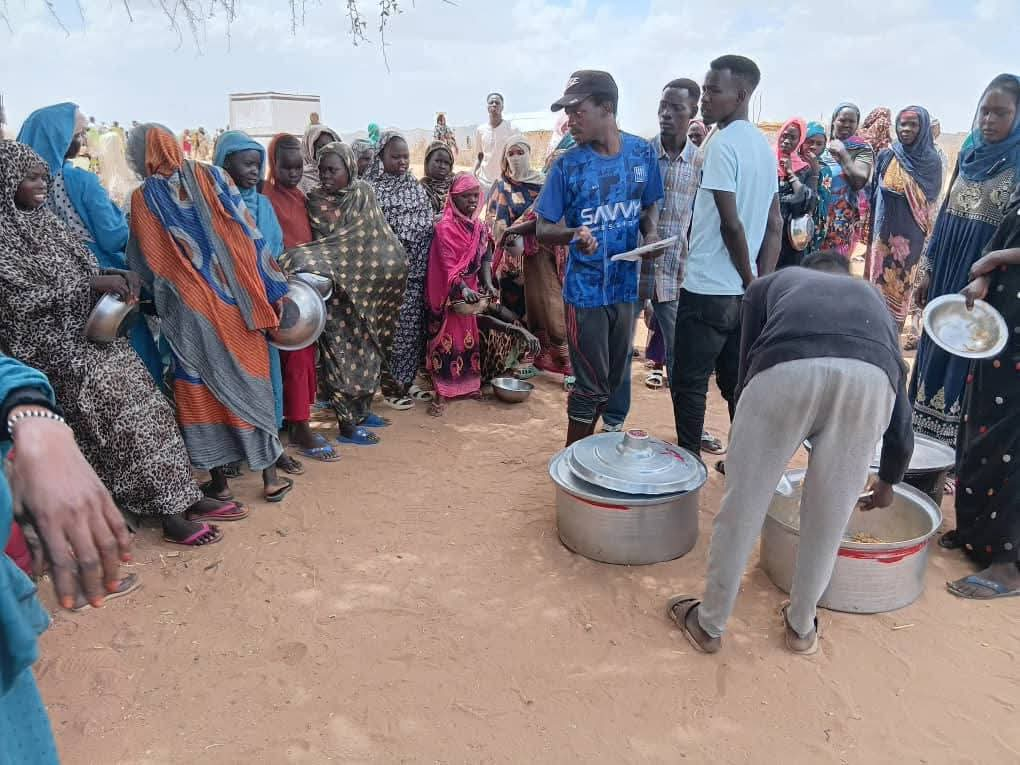
The U.N. said displacement sites had increasingly come under attack, exposing civilians who had already fled fighting to renewed violence.
Between Oct. 6 and 10, alleged drone strikes on shelters for internally displaced people in Ghubeish and El Nuhud in West Kordofan killed at least 25 civilians and injured 31 others, including women and children. The U.N. attributed the strikes to the SAF.
In Abu Shendi in Blue Nile on Oct. 9, an alleged RSF drone struck internally displaced people engaged in artisanal gold mining near a displacement site, killing at least 31 people, most of them women and children.
Gold-producing areas have also increasingly become targets.
The U.N. said alleged RSF drone strikes hit the Bajaun gold-mining area in Gadeer locality in South Kordofan on Oct. 9 and Oct. 16, killing 42 civilians and injuring 25 others.
Türk’s office warned that although mining sites may contribute economically to parties involved in the war, their financial value alone does not make them legitimate military targets under international humanitarian law.
One of the deadliest incidents documented this month occurred on Oct. 18 in Dibab, West Kordofan, where at least 139 people were killed and dozens injured after a transportation truck was hit in what the U.N. described as a “double-tap” strike, in which a second attack followed the initial strike.
The area was under RSF control, but the U.N. statement did not identify the party responsible for that incident.
Markets have also come under repeated attack.
The U.N. documented deadly drone strikes in Al Dabba in North Darfur, Nyala in South Darfur and Al-Idea in West Kordofan that reportedly killed a combined 23 civilians.
Health facilities have not been spared. An RSF-attributed drone strike on Um Darfa hospital in Blue Nile on Oct. 11 seriously injured two health workers and forced the facility out of service.
The U.N. also warned of an emerging pattern of retaliatory drone attacks.
It said RSF-attributed strikes on Khartoum, including around the airport, were reportedly carried out in response to alleged SAF airstrikes on Nyala in South Darfur.
Drone warfare has expanded sharply during Sudan’s conflict, allowing both sides to strike targets far beyond traditional front lines and increasing the vulnerability of civilian areas.
Türk called on both sides and their allied forces to comply with international humanitarian law, including requirements to distinguish between civilians and military targets and to avoid indiscriminate or disproportionate attacks.
He also called for international efforts to address the continuing flow of weapons into Sudan, warning that arms transfers were helping sustain attacks carried out with little regard for civilian protection.
Türk urged the SAF, RSF and their affiliates to commit to a ceasefire, saying a negotiated settlement based on human rights and accountability remained the only viable path toward sustainable peace.