
KHARTOUM – Fewer than 70,000 people remain in El Fasher, down from a pre-war population of more than one million, as civilians continue to face detention, torture, killings and widespread surveillance a year after the Rapid Support Forces (RSF) captured the North Darfur capital, Amnesty International said.
The rights group said humanitarian access to the city remains limited and both civilians and aid workers face a high risk of arbitrary detention, challenging claims that El Fasher is safe for residents to return.
Amnesty based its findings on interviews conducted in August and September 2026 with 25 people, including 19 El Fasher residents and six humanitarian workers.
Seventeen of the 19 residents interviewed said they had been detained by the RSF.
Most were detained during the group’s capture of the city in October 2025, while others were arrested after returning to search for missing relatives or retrieve belongings from their homes.
Some remained in captivity for months.
Former detainees described torture, beatings, unlawful killings and severe shortages of food and water inside prisons and detention centres. Several said they were released only after relatives paid ransom, while others escaped.
Survivors also told Amnesty that members of some ethnic communities, particularly Zaghawa and Masalit civilians, faced a greater risk of detention and abuse.
One former detainee at Shala prison said he was regularly beaten and witnessed prisoners being killed. Another said detainees accused of links to the Sudanese Armed Forces or allied Joint Forces were subjected to repeated beatings.
Schools Used to Hold Civilians
Amnesty said women, children and some elderly or injured men were detained in schools that had effectively been converted into detention facilities.
Nine people interviewed by the organization said they had been held in schools with extremely limited access to food and medical care.
Several women said their children became malnourished while in detention.
One mother who escaped to Tawila in August said all three of her children were diagnosed with malnutrition after leaving El Fasher, with one requiring hospitalization.
Another woman who spent months detained in a school told Amnesty that several people were dying each day, mostly because of a lack of food.
Satellite imagery reviewed by Amnesty showed reduced activity at several school detention sites by September, suggesting some may no longer be operating.
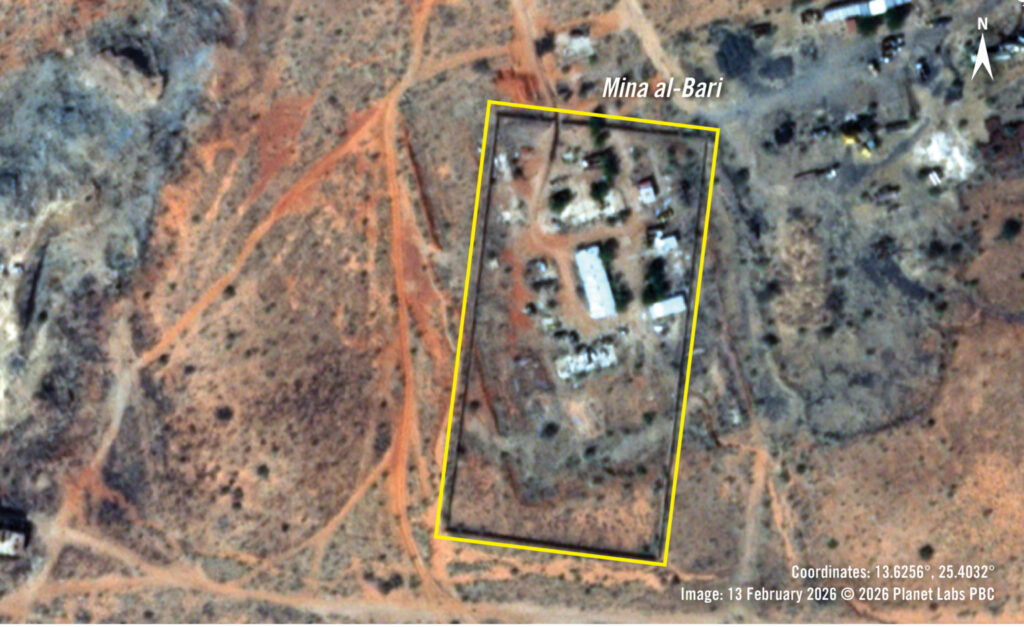
However, Shala prison and the Mina al-Bari detention centre on the outskirts of El Fasher continued to show significant signs of activity.
Forced Labour and Pressure to Portray City as Safe
Amnesty also documented allegations of forced labour.
Former detainees said men and women were forced to collect bodies and rubble from the streets or cook and clean for RSF personnel without payment.
One survivor said he and his father were forced to collect corpses after being detained and were later made to appear on camera saying El Fasher was safe and encouraging people to return.
Amnesty said such testimony contrasted sharply with RSF claims that conditions in the city had stabilized.
Residents Under Surveillance
People remaining in El Fasher described an atmosphere of extensive surveillance and fear.
Residents said the RSF closely monitored their movements as well as the activities of humanitarian organizations operating in the city.
Although a small number of aid groups had resumed work by September, humanitarian workers and residents told Amnesty that civilians were often unable to speak privately with aid personnel.
One resident who returned in June described El Fasher as extensively destroyed, with schools, hospitals, government institutions and other public infrastructure damaged.
Humanitarian workers also raised concerns about worsening malnutrition, particularly amid poor harvest conditions and limited access to assistance.
Amnesty said famine-level conditions are considered highly likely in North Darfur, including El Fasher, in the coming months.
The RSF captured El Fasher in October 2025 after an approximately 18-month siege and a final offensive that triggered mass displacement and widespread reports of atrocities.
In an earlier investigation, Amnesty said it documented crimes against humanity and ethnic cleansing during the RSF campaign to seize the city, including abuses targeting Zaghawa civilians.
The organization said it continues to investigate serious violations committed by both sides in Sudan’s war.
Amnesty wrote to the RSF on Oct. 9 regarding its latest findings but said it had received no response by the time of publication.
Amnesty Secretary General Agnès Callamard said the conditions documented by the organization contradicted claims that civilians could safely return to El Fasher, warning that residents continued to face the threat of detention, torture and killing.
The organization called for the immediate release of people arbitrarily detained by the RSF and an end to torture, unlawful killings and forced labour.
It also renewed calls for an immediate ceasefire, stronger international protection for civilians and an end to arms transfers fueling Sudan’s war.