
NAIROBI – Amnesty International said on Tuesday that the Rapid Support Forces (RSF) committed crimes against humanity and carried out a campaign of ethnic cleansing during their offensive to seize El Fasher in Sudan’s North Darfur State, calling for an immediate nationwide ceasefire and the urgent deployment of an international force to protect civilians.
The findings are contained in a new report, City Under Siege, Children Under Fire: Rapid Support Forces’ Crimes Against Humanity in North Darfur, based on interviews with 247 people, including 208 survivors and witnesses—39 of them children—as well as analysis of 89 videos, satellite imagery and other documentary evidence.
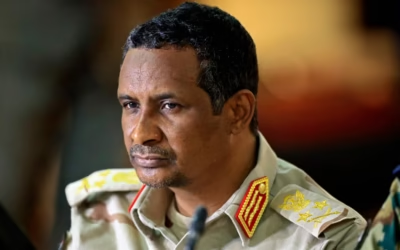
Amnesty said it sent its findings to RSF commander Mohamed Hamdan Dagalo on June 10, 2026, but had received no response by the time the report was published.
The organization said it documented murder, forcible transfer, imprisonment, torture, rape, sexual slavery, other forms of conflict-related sexual violence, enslavement, extermination and persecution committed against civilians between early 2024 and October 2025, as the RSF fought the Sudanese Armed Forces (SAF) and allied Joint Forces in North Darfur.
Amnesty said analysis of the evidence gathered during the investigation allowed it to conclude “without qualification” that persecution based on ethnic identity had occurred. It added that the documented acts, together with other crimes still under investigation, may also be relevant to the crime of genocide.
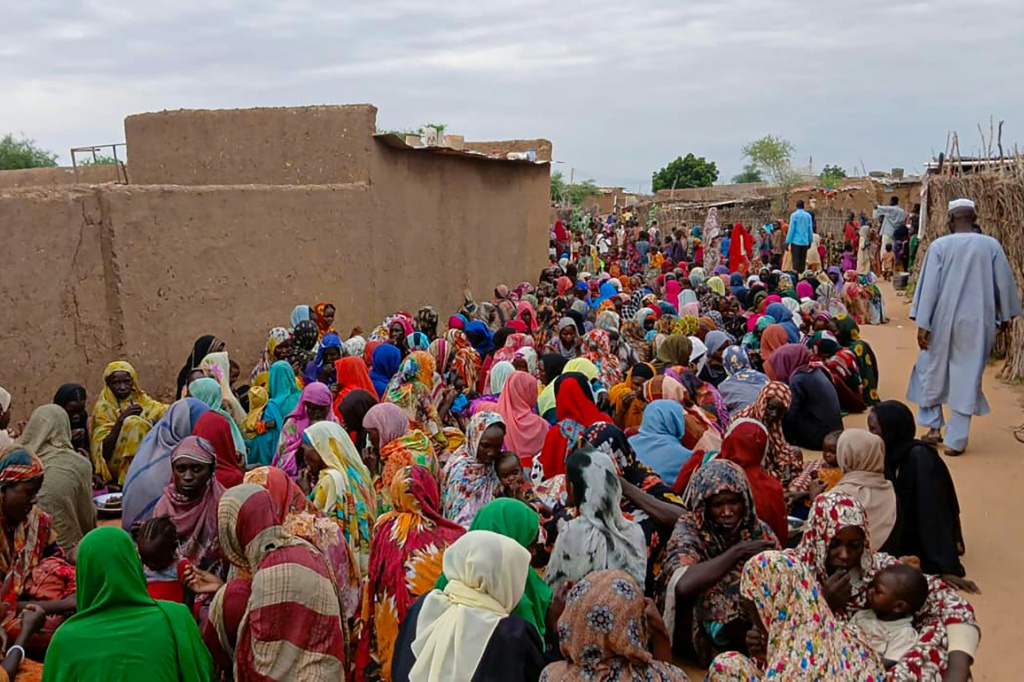
The report said that by November 2023 the RSF controlled four of Darfur’s five state capitals, leaving El Fasher as the last major city outside its control. Beginning in 2024, RSF fighters systematically attacked villages, towns and displacement camps surrounding the city, killing civilians, looting property and burning homes and civilian infrastructure.
According to Amnesty, many of the targeted communities were predominantly inhabited by members of the Zaghawa ethnic group. The organization said RSF fighters frequently burned civilian homes after residents had fled, preventing displaced people from returning and contributing to what it described as the ethnic cleansing of Zaghawa communities around El Fasher.
The report also documented repeated use by RSF fighters of the term falangay—a word associated with slavery or servitude—during attacks against civilians from non-Arab ethnic communities, which Amnesty cited as evidence of ethnically motivated persecution.
Amnesty said the RSF maintained a siege on El Fasher from May 2024 until October 2025, restricting food, medicine and humanitarian supplies from entering the city while shelling civilian areas almost daily. The organization said the blockade contributed to famine conditions, forcing many residents to survive on ambaz, a by-product of peanut oil production normally used as animal feed.
Women interviewed by Amnesty described giving birth in underground shelters, bombed hospitals or while fleeing attacks. Many said severe malnutrition prevented mothers from producing enough milk for newborns, contributing to infant deaths and worsening humanitarian conditions.
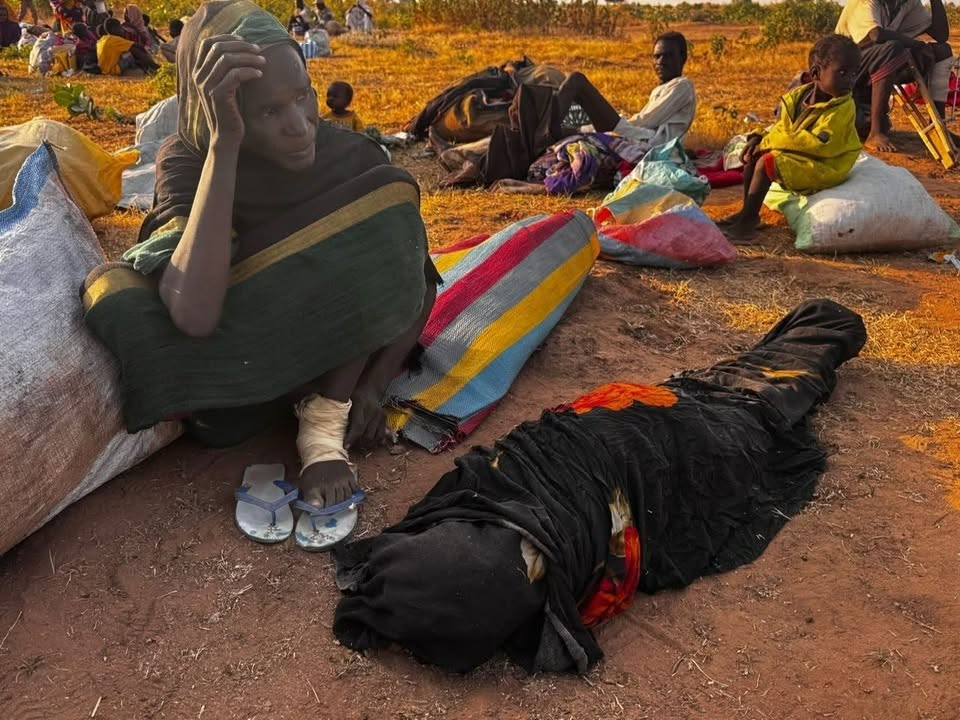
The report said the RSF launched its final offensive to capture El Fasher on 26 October 2025. Civilians attempting to flee encountered a 57-kilometre network of earthen berms surrounding the city, where Amnesty said hundreds of people were executed while many others were tortured, detained or taken hostage.
Amnesty interviewed 70 survivors of the final assault, nearly all of whom reported witnessing executions, rape, torture or hostage-taking. One survivor estimated seeing more than 1,000 bodies near the berms, while another described surviving a massacre only after claiming partial Arab identity to avoid execution.
The organization also documented attacks on the Saudi Maternity Hospital in El Fasher, where witnesses said RSF fighters killed scores of patients, relatives and medical staff. Amnesty said attacking a protected medical facility constitutes a war crime under international law.
The report said conflict-related sexual violence was committed on a massive scale. Amnesty interviewed 26 survivors of sexual violence, including 20 rape survivors, among them girls under the age of 18. Survivors described repeated rape, humiliation and abuse that caused lasting physical and psychological harm.
The organization also documented widespread abductions and recruitment of children. It said boys were used by the RSF as fighters, intelligence gatherers, guards and livestock herders, while children from non-Arab communities were abducted during attacks on villages and displacement camps.
Amnesty said the RSF also unlawfully detained civilians and held many hostage for ransom. Former detainees described severe overcrowding, lack of food and water, torture, ethnic abuse and deaths from dehydration and disease while being held in shipping containers and other detention facilities.
Among the detention sites documented was Mina al-Bari detention centre on the eastern outskirts of El Fasher, where former detainees said they were confined inside sealed shipping containers for months under life-threatening conditions.
The report identified several RSF commanders allegedly linked to serious violations of international law. Amnesty said verified videos showed commander Al-Fateh Abdullah Idris (“Abu Lulu”) participating in mass executions of civilians near El Fasher. It also identified Major General Gedo Hamdan Ahmed Mohamed (“Abu Shouk”) and Lieutenant Colonel Abbas Khater Bakhit as senior commanders at Mina al-Bari detention facility who allegedly participated in torture and abuse of detainees.
Amnesty said the repeated and widespread nature of the violations indicated that commanders knew, or should have known, about the crimes and failed to prevent them or hold those responsible accountable.
Amnesty International Secretary General Agnès Callamard described the atrocities committed during the siege of El Fasher as “a stain on the conscience of humanity,” saying the war in Sudan had become “a war on civilians.”
She said children were not merely collateral victims but were deliberately targeted, killed, injured, raped, abducted and forcibly recruited during the conflict.
The organization called for an immediate nationwide ceasefire, the deployment of an independent and adequately resourced international force to protect civilians, expanded humanitarian assistance and stronger support for accountability mechanisms, including the International Criminal Court and UN- and African Union-backed investigative bodies.
It also urged all countries to halt arms transfers to parties to the conflict and called on the UN Security Council to expand the existing arms embargo beyond Darfur to cover the whole of Sudan. Amnesty specifically urged governments to stop supplying arms to the United Arab Emirates, which it described as the RSF’s principal backer, until it complies with the UN arms embargo. The UAE has repeatedly denied providing military support to the RSF.
The conflict between the SAF and the RSF, which erupted in April 2023, has displaced millions of people and triggered one of the world’s worst humanitarian crises. International investigators, including the International Criminal Court and UN-backed mechanisms, continue to investigate allegations of war crimes, crimes against humanity and genocide committed during the conflict.