

KHARTOUM – Sudanese Prime Minister Kamil Idris has ordered the creation of a national mechanism to combat cybercrime and monitor online content, a move that has renewed concerns over the potential use of broadly defined security provisions against journalists and critical reporting.
The new body, headed by an assistant attorney general and including representatives from relevant state institutions, will be responsible for combating cybercrime and content authorities describe as harmful or threatening to state and societal security.
Under the decision, the mechanism will monitor material published through media outlets and social media platforms and may take preventive and legal action against content it considers a threat to national or public security.
It is also empowered to initiate legal proceedings on behalf of the state, giving the mechanism a potentially broad role in determining when online publication crosses into criminal conduct.
The government says the measure is intended to strengthen digital security, uphold the rule of law and protect social stability.
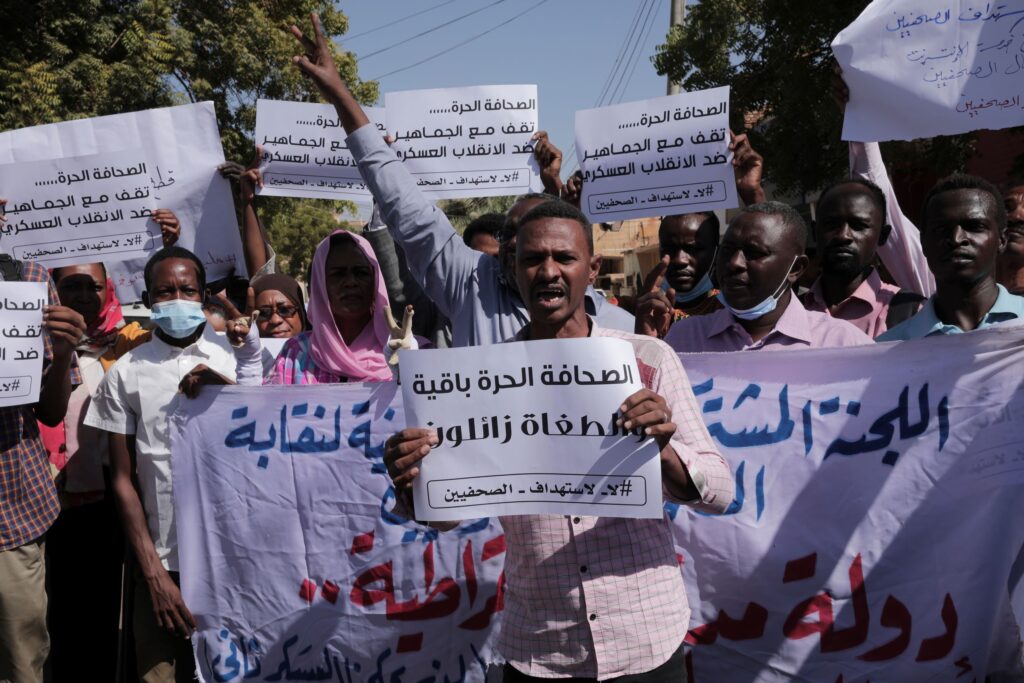
The decision, however, comes amid growing concern among journalists and press freedom groups over the use of Sudan’s cybercrime legislation in cases involving public-interest reporting and criticism of government institutions.
In July, cybercrime prosecutors in Red Sea State pursued journalists and media outlets over reports concerning alleged corruption in the public sector. Press freedom groups said arrest warrants were issued against media professionals, while Sudanese journalists’ organizations reported that dozens of journalists and media workers were affected by related legal measures.
Reporters Without Borders has said Sudan’s 2020 Cybercrime Law contains provisions that restrict journalistic freedom and has warned that it has increasingly been used against media workers.
The organization has also pointed to the 2009 Press and Printed Materials Act and other national security legislation as part of a legal framework that can restrict independent reporting.
Concerns have focused particularly on broadly worded provisions involving harmful publication, false information and threats to public security, which media groups say can leave significant room for interpretation when applied to reporting on officials or state institutions.
Sudan’s media environment has deteriorated sharply since the war between the Sudanese Armed Forces and Rapid Support Forces began in April 2023, with journalists facing killings, detention, intimidation, displacement and disruption of media institutions.
The Sudanese Media Forum had previously warned that proposed changes to press legislation could impose additional restrictions on journalism and called for an independent framework to regulate the media.
The newly announced cybercrime mechanism does not, based on the details released so far, specify safeguards distinguishing criminal cyber activity from legitimate journalism, commentary or criticism.
It also remains unclear whether its decisions will be subject to independent oversight or what legal protections will apply when cases involve media content or matters of public interest.
How the mechanism is implemented is therefore likely to determine whether it functions primarily as a cybercrime enforcement body or expands state oversight of digital journalism and online expression.


