
KHARTOUM – Sudan’s army chief Abdel Fattah al-Burhan said on Thursday he had sent a message to U.S. President Donald Trump affirming Sudan’s commitment to American-led efforts to end the country’s war.
Burhan, chairman of Sudan’s Transitional Sovereignty Council and commander of the Sudanese Armed Forces (SAF), said the authorities were prepared to work “in good faith” with all parties toward what he described as a just and lasting peace that preserves Sudan’s sovereignty, unity and territorial integrity.
The message comes as Washington steps up diplomatic efforts to secure a ceasefire between the SAF and the paramilitary Rapid Support Forces (RSF), which have been at war since April 2023.
Trump’s senior adviser for Arab and African affairs, Massad Boulos, met Burhan in Egypt on Oct. 5 in a rare high-level encounter between the two sides. Boulos said afterward that Washington remained committed to Sudan’s unity and to efforts aimed at ending the war and eventually restoring civilian-led government.
Burhan’s latest statement also comes little more than a week after he said the army would continue what he called the “military option” until the RSF was removed from territory it controls, underscoring the gap that remains between battlefield positions and diplomatic efforts.
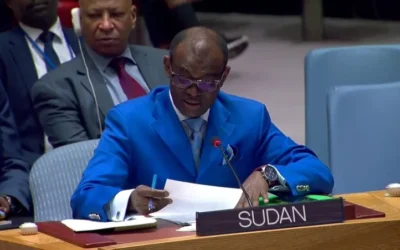
Relations between Washington and Sudan’s army-led authorities deteriorated sharply in September after the United States withheld a visa for Burhan to attend the U.N. General Assembly in New York.
Sources familiar with the dispute said Washington had linked the visa to acceptance of a U.S.-backed 90-day ceasefire proposal put forward by Boulos. Sudanese officials rejected the linkage and accused the United States of failing to meet its obligations as host country of the United Nations.
The proposed truce is part of a broader U.S.-backed effort involving Saudi Arabia, Egypt and the United Arab Emirates to secure a humanitarian ceasefire, expand aid access and move toward political negotiations.
The United States has also used sanctions against leaders on both sides of the conflict. Washington sanctioned Burhan in January 2025, accusing forces under his command of attacks on civilians and obstruction of humanitarian assistance.
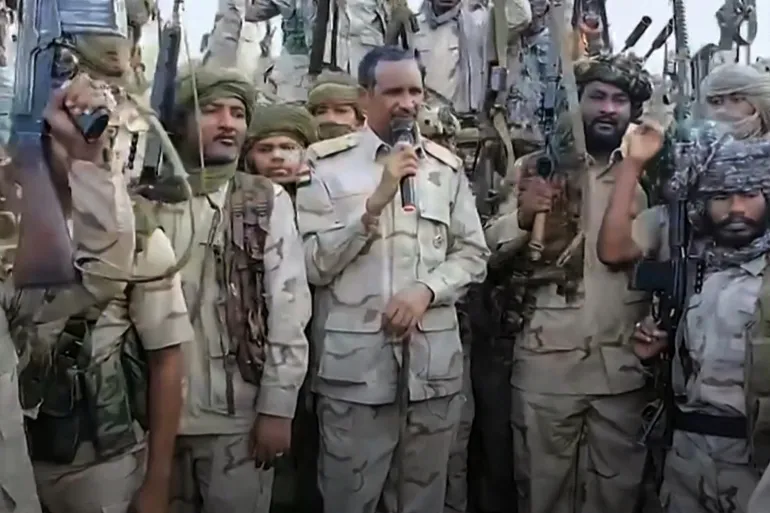
Days earlier, the United States had sanctioned RSF commander Mohamed Hamdan Dagalo, known as Hemedti, as well as companies and individuals linked to the paramilitary force.
Neither the SAF nor the RSF has accepted international ceasefire efforts that would produce a lasting nationwide halt to the fighting, despite repeated mediation initiatives since the war began.
Burhan did not disclose further details of his message to Trump, and there was no immediate public response from the White House.
His renewed commitment to U.S.-led diplomacy will now be measured against whether the two sides can narrow differences over the proposed ceasefire, humanitarian access and the shape of any future political process.