MOSCOW – Russian President Vladimir Putin called for an end to hostilities in Sudan and a political settlement to the conflict during talks with Sovereignty Council Chairman Abdel Fattah al-Burhan, as the Sudanese leader offered Russia expanded investment opportunities, including a free economic zone on the Red Sea coast.
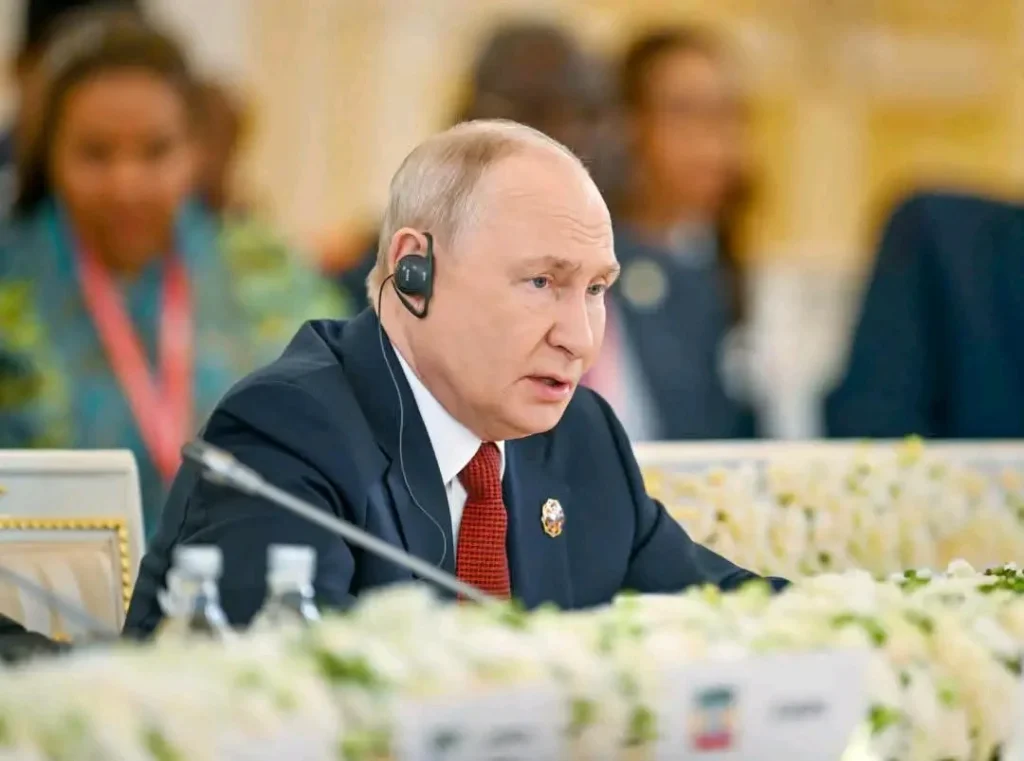
Meeting on the sidelines of the third Russia-Africa Summit in Moscow, Putin said Russia had consistently supported an end to military operations and a political resolution to Sudan’s war.
“We are closely following the situation in Sudan, where an armed conflict has continued for more than three years,” Putin told Burhan.
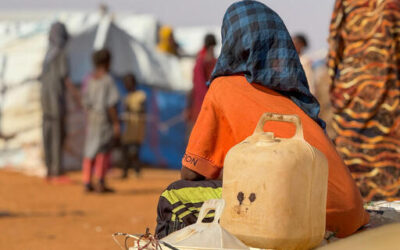
He said the number of refugees and internally displaced people had exceeded 13 million according to Russian estimates, while the conflict had caused extensive damage to Sudan’s economy and infrastructure.
Putin said Moscow was prepared to discuss what additional steps it could take to help stabilize conditions in Sudan.
“Russia has consistently advocated an end to hostilities and a political settlement,” he said, adding that the two leaders would discuss the issue further in private.
Russia Proposes Cooperation Roadmap
Putin said Russia had prepared a roadmap identifying priority areas for cooperation with Sudan and wanted Khartoum to review the proposals and select sectors for joint work.
The areas identified included information technology, healthcare, education, logistics and industry.
He also referred to Russian humanitarian assistance to Sudan, including support delivered through U.N. agencies.
The meeting came as Khartoum seeks new investment and reconstruction partners after more than three years of war between the Sudanese Armed Forces and the Rapid Support Forces.
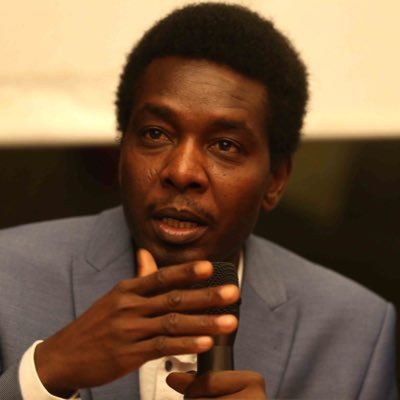
Burhan, who is leading Sudan’s delegation to the Russia-Africa Summit, has repeatedly called for a Sudanese-led political process and said during the summit that peace should be reached without external dictates.
He has said such a process should lead to an internally negotiated transition followed by elections.
Burhan Offers Free Economic Zone
During his talks in Moscow, Burhan proposed establishing a Russian free economic zone on Sudan’s Red Sea coast as part of efforts to expand economic ties between the two countries.
He also said Sudan was prepared to provide Russian companies with investment opportunities in gold, copper and other mineral resources.
The proposals reflect Khartoum’s effort to attract Russian capital into mining, infrastructure and other strategic sectors while the government looks toward post-war reconstruction.
Sudan and Russia are marking 70 years of diplomatic relations in 2026, and officials from both sides have said they want to move toward a broader strategic partnership.
Economic cooperation between the two countries has previously included mining, energy and agricultural projects, while discussions over Russian access to Sudan’s Red Sea coast have remained an important element of bilateral relations.
Longstanding Military and Economic Ties
Russia’s relationship with Sudan extends back decades and deepened during the rule of former President Omar al-Bashir.
Russian-linked companies became involved in Sudan’s mining sector, particularly gold, while entities linked to the Wagner Group were reported to have provided security and training services.
Moscow also pursued plans for a naval support facility at Port Sudan, which would give Russia a military presence on the Red Sea.
Russia’s position during Sudan’s current war has evolved.
U.S. government assessments and other reports said Wagner-linked networks supplied the RSF with surface-to-air missiles during the early stages of the conflict in 2023.
Moscow later strengthened its relations with Sudan’s army-backed authorities and increasingly expressed support for the country’s internationally recognized state institutions.
Russia has also rejected attempts to establish a rival administration in areas controlled by the RSF and its allies.
Russia’s Diplomatic Support
At the U.N. Security Council, Russia has frequently emphasized Sudan’s sovereignty and opposed measures it regards as external interference in the country’s internal affairs.
In November 2024, Moscow vetoed a British-Sierra Leonean Security Council draft resolution that called for stronger civilian protection measures, an end to hostilities and expanded humanitarian access.
Russia argued that elements of the proposal interfered with Sudanese sovereignty and restricted the government’s ability to make decisions within its own territory.
Russian U.N. Ambassador Vassily Nebenzia reiterated Moscow’s support for Sudanese state institutions this month and called for a Sudanese-led political dialogue rather than externally imposed arrangements.
The approach broadly aligns with Burhan’s message at the Russia-Africa Summit, where he said Sudan’s future political arrangements should emerge through dialogue among Sudanese parties.
Moscow Says War Must End
Despite its growing relationship with Sudan’s army-backed authorities, Putin’s remarks placed an explicit emphasis on ending the fighting.
He said Russia wanted to exchange views with Burhan on how Moscow could contribute to normalizing the situation.
The talks come as Sudan’s war continues to spread across several regions, with large-scale displacement, attacks on civilian infrastructure and severe humanitarian needs.
Putin’s call for a political settlement, alongside Burhan’s economic proposals, highlighted the two parallel tracks shaping Sudan-Russia relations: Moscow’s diplomatic engagement in the conflict and Khartoum’s effort to secure investment and strategic partnerships for reconstruction.