

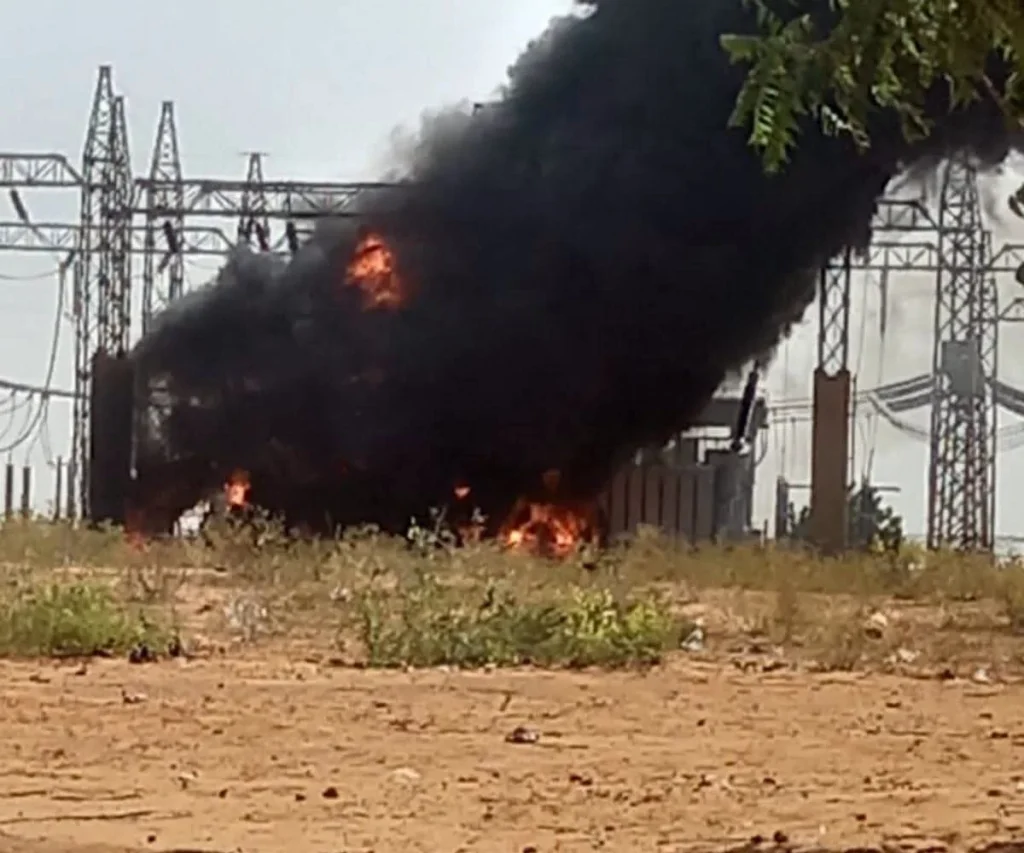
KHARTOUM – Repeated attacks on electricity infrastructure across Sudan are threatening hospitals, dialysis centres, intensive care units and other essential health services, putting millions of civilians at growing risk, the Sudan Doctors Network warned.
The medical group said damage to power stations goes far beyond electricity outages because Sudan’s already strained health system relies on continuous power to operate life-saving equipment, preserve blood supplies and maintain cold chains for medicines and vaccines.
In a statement issued Thursday, the network warned that repeated damage or shutdowns at electricity facilities could interrupt operations at hospitals, dialysis centres, intensive care units and blood banks.
Power cuts could also affect water supplies and the storage of medicines that require controlled temperatures, creating additional health risks for patients and vulnerable communities.
The warning follows a series of drone attacks on Sudan’s electricity network this week, with substations and other energy facilities reported hit in Khartoum, Gezira, Sennar, Gedaref and White Nile states.
Several attacks caused widespread outages and damage to electricity infrastructure, raising concerns over the stability of parts of the national grid.
The U.N. Office for the Coordination of Humanitarian Affairs has also warned that continued drone attacks on power facilities are damaging critical civilian infrastructure and threatening essential services.
Health System Dependent on Electricity
The Sudan Doctors Network said reliable electricity is essential to maintaining medical care, particularly for critically ill patients.
Dialysis machines, intensive care equipment, operating theatres and laboratory services require continuous power, while blood products, vaccines and many medicines depend on functioning refrigeration systems.
Interruptions can therefore endanger patients even when hospitals themselves are not directly attacked.
Water systems also depend heavily on electricity for pumping and distribution, meaning prolonged outages can increase sanitation problems and the risk of disease.
The network warned that damage to interconnected civilian services could produce wider health emergencies affecting communities far beyond the sites directly struck.
Sudan’s health system has already suffered extensive disruption during the war between the Sudanese Armed Forces and the Rapid Support Forces, which began in April 2023.
Hospitals and health workers have repeatedly been affected by fighting, while shortages of medicines, equipment, electricity and clean water have reduced access to care in many parts of the country.
Calls to Protect Civilian Infrastructure
The Sudan Doctors Network said electricity, water and other infrastructure essential to civilian life should remain outside military operations.
It called on all parties to the conflict to comply with international humanitarian law and take measures to protect critical civilian facilities.
The network said continued deterioration of electricity and other basic infrastructure could trigger wider public health emergencies and deprive civilians of access to healthcare, water and other essential services.
The warning comes as drone warfare has intensified across Sudan, increasingly affecting infrastructure far from conventional front lines.
Recent attacks have damaged electricity substations and caused outages across multiple states, while international humanitarian organizations have repeatedly warned about the cumulative consequences of attacks on infrastructure needed to sustain civilian life.
The Sudan Doctors Network said protecting healthcare and essential service infrastructure had become an urgent humanitarian necessity, warning that continued attacks could place millions of people at risk.


