
DAMAZIN – Tens of thousands of displaced people in Sudan’s Blue Nile State, most of them women and children, are facing growing difficulty accessing maternal and reproductive health care as fighting, floods, damaged infrastructure and funding shortages strain already limited services, the United Nations Population Fund (UNFPA) said.
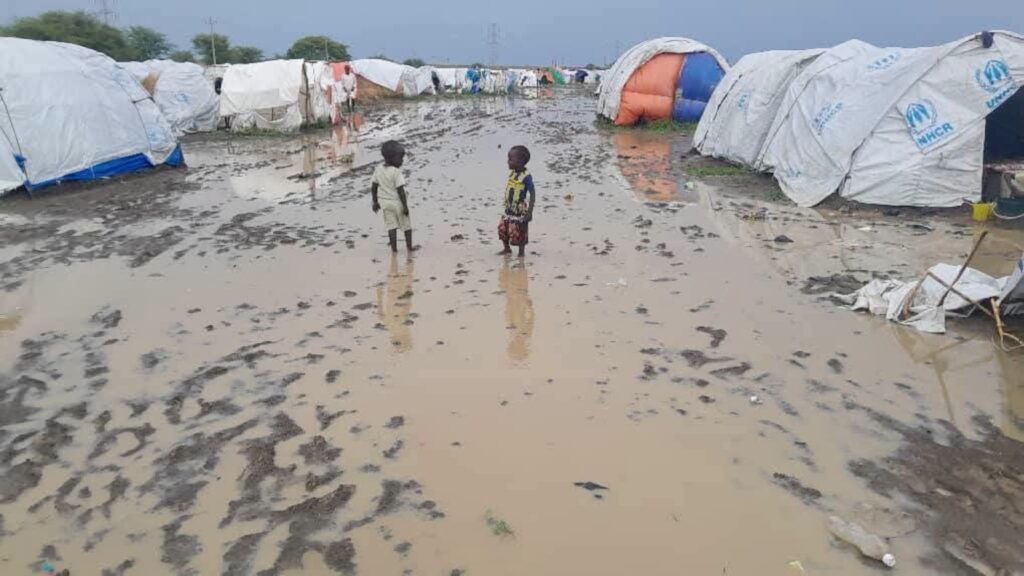
UNFPA said heavy fighting between January and May 2026 displaced large numbers of people across the state, leaving many pregnant women in overcrowded camps with limited access to basic health care and emergency obstetric services.
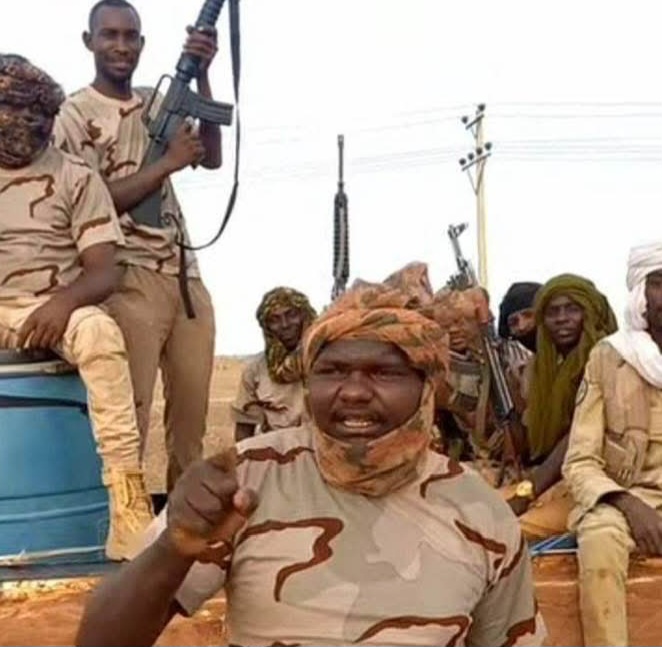
The warning comes as Sudan’s war, which began in April 2023 between the Sudanese Armed Forces (SAF) and the Rapid Support Forces (RSF), continues to deepen the collapse of health services across several regions. In Blue Nile, insecurity, displacement and seasonal flooding have made it harder for women to reach hospitals or mobile clinics, especially during childbirth emergencies.
UNFPA cited the case of Saida, a midwife from Bout, who said some women were forced to give birth while fleeing violence. She said trained midwives provided emergency assistance, warning that severe bleeding could have placed both mothers and newborns at risk of death.
Saida now works in a UNFPA-supported mobile health clinic inside Al-Karama 3 displacement camp in Damazin, after she herself was displaced from her home in 2024. She is one of 15 midwives deployed by UNFPA as part of an initiative to train and employ female health workers in areas of greatest need.
In the camp, midwives provide antenatal and postnatal care, monitor pregnant women and identify cases requiring medical intervention or referral to hospital.
During the first three weeks of their deployment, UNFPA-supported midwives assisted 140 safe deliveries and provided follow-up care to more than 700 pregnant women.
UNFPA said it also supports referrals to the maternity hospital in Damazin for caesarean sections, along with cash and voucher assistance for cases requiring specialized care. The agency has also helped provide an isolation room for pregnant women infected with hepatitis E.
The rainy season has further complicated access to health care in displacement camps, making movement difficult and delaying emergency referrals to hospitals. Aid agencies have repeatedly warned that poor sanitation, contaminated water and crowded shelters increase the risks facing pregnant women, newborns and displaced families.
The situation in Blue Nile mirrors a wider maternal health crisis across Sudan, where many hospitals have been damaged, closed or left without enough staff, medicines and supplies. Women in conflict-affected areas often face long journeys, insecurity and high transport costs to reach emergency care.
As part of its expanded response, UNFPA, with support from the Government of Norway, is training 30 additional midwives in White Nile State and 30 more in North Kordofan to help meet growing needs for reproductive and maternal health services.
UNFPA said it needs $129.2 million in 2026 to respond to critical needs related to sexual and reproductive health and gender-based violence in Sudan, but had received only about one-third of the required funding by August.