
KHARTOUM – Sudan’s Joint Force of Armed Struggle Movements, fighting alongside the Sudanese Armed Forces (SAF) and Popular Resistance units, said it destroyed 49 Rapid Support Forces (RSF) combat vehicles and captured 70 fighters during an operation in the Desert Axis.
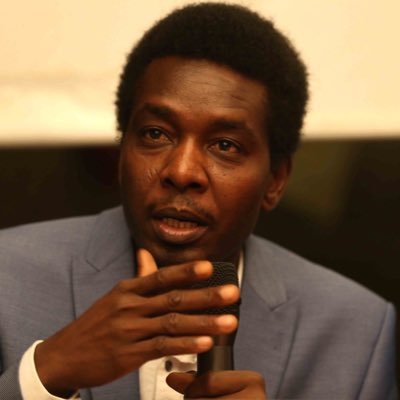
Maj. Mutawakkil Ali Wakil, spokesman for the Joint Force, said in a military statement that the operation targeted an RSF convoy and inflicted heavy losses in personnel and equipment.
He said the force seized 30 combat vehicles in good condition, along with a fuel tanker and a large number of batteries used to operate drones. He added that the full scale of RSF losses was still being assessed.
The Joint Force said four of its members were killed during the operation, including Maj. Abdelrahman Kasoufo, and praised what it described as the resilience of its fighters on the ground.
Sudan Now could not independently verify the figures provided by the Joint Force, the number of vehicles destroyed or seized, or the number of captured RSF fighters. The RSF did not immediately comment.
The operation comes as fighting continues across North Darfur and desert areas linking Darfur to border routes used for movement, supplies and military reinforcements. The Desert Axis has become increasingly important as both sides seek to secure supply lines and prevent the movement of convoys across remote areas.
The Joint Force, made up mainly of armed movements that signed the Juba Peace Agreement, has fought alongside the army against the RSF in Darfur and other fronts. Its role has grown during the war as the conflict expanded beyond major cities into border zones, supply corridors and desert routes.
The war between the SAF and the RSF, which erupted in April 2023, has increasingly involved long-range logistics, drones and mobile desert warfare. Control of vehicles, fuel, satellite communications and drone-operating equipment has become central to operations in remote areas where regular supply lines are difficult to maintain.
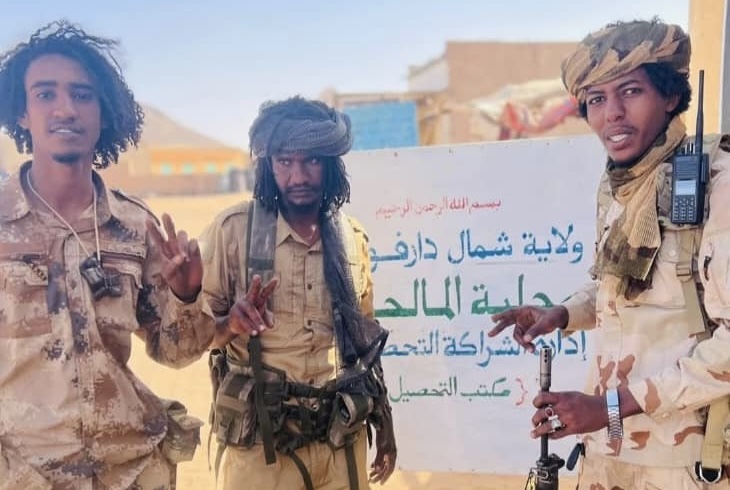
The Joint Force released video footage that it said documented the results of the operation. The footage showed vehicles and weapons it said were seized from the RSF, as well as several captured fighters.
Some of the captured men shown in the footage appeared visibly exhausted and in poor health. The Joint Force said they had suffered from thirst and hunger after elements of the convoy became lost in desert areas of North Darfur.
The treatment of captured fighters remains governed by international humanitarian law, which requires humane treatment, protection from abuse and access to basic needs regardless of affiliation.
The Joint Force said its operations in the Desert Axis would continue, describing the campaign as part of its national duty to confront the RSF.


