
MEGÉ REFUGEE CAMP, CHAD – Sudanese refugees with disabilities at Megé refugee camp in eastern Chad are facing growing difficulties accessing mobility aids, specialized medical treatment and livelihood opportunities as humanitarian resources come under increasing strain.
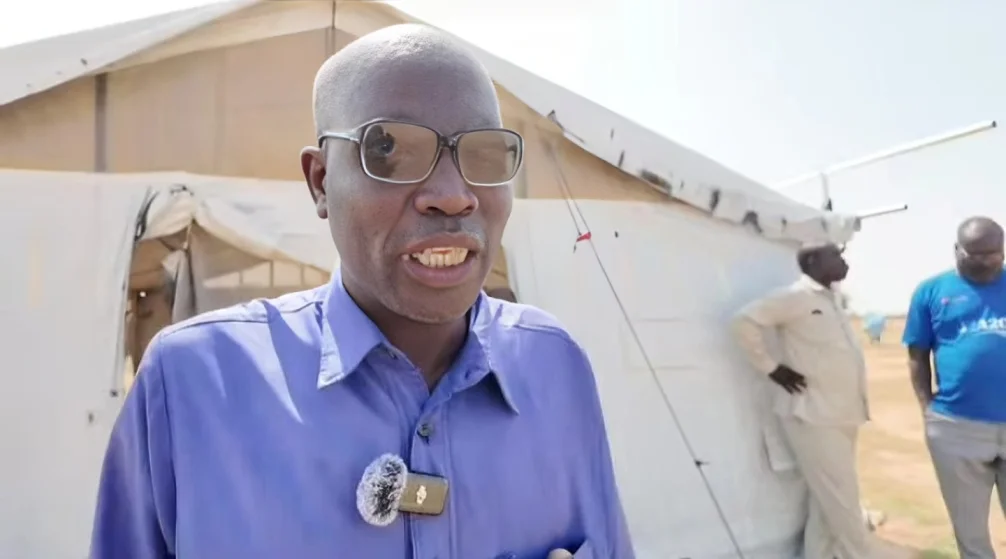
Al-Sadiq Ibrahim, head of the camp’s association for people with disabilities, said in a recorded interview that several refugees with physical disabilities need wheelchairs and other assistive devices, while others are struggling with eye conditions without access to specialist care.
He said some refugees acquired disabilities during attacks in Sudan in 2023 and continue to require treatment and rehabilitation, adding that the limited availability of specialists inside the camp has made access to care more difficult.
The needs come as Chad continues to host large numbers of Sudanese refugees who fled the war that began in April 2023.
By the end of July 2026, more than 940,000 Sudanese refugees had crossed into Chad since the conflict began, according to humanitarian figures cited in the response.
People with disabilities face additional barriers in displacement settings, including access to wheelchairs, crutches, rehabilitation, psychosocial support and inclusive education.
Ibrahim warned that any further reduction in food assistance would place additional pressure on people with disabilities and their families, many of whom already depend heavily on humanitarian support.
He called on Sudanese communities abroad, aid organizations and donors to help provide essential assistive devices and support income-generating projects that could allow people with disabilities to become more economically independent.
Ibrahim said livelihood opportunities could help families cope with prolonged displacement and reduce their dependence on humanitarian assistance.
Humanitarian agencies have previously warned that funding shortages threaten food, water, shelter, protection and health services for Sudanese refugees in Chad.
Ibrahim said the needs of people with disabilities extend beyond food and shelter and include treatment, rehabilitation, protection, mobility assistance and opportunities to work and participate in community life.
He also appealed to Sudanese youth in the diaspora to support refugees with disabilities at the camp, saying appropriate assistance could help them live with greater dignity and independence.
The continuing arrival of Sudanese refugees has placed additional pressure on services and resources in eastern Chad, where many of those fleeing the conflict are concentrated.