
PORT SUDAN – Only about 21% of Sudan’s emergency obstetric and newborn care network is fully functional, the United Nations Population Fund (UNFPA) reported, warning of major gaps in maternal health services as war, displacement, flooding and funding shortages continue to strain the country’s health system.
In its July situation report, covering the period from July 1 to 31, UNFPA said 33.7 million people need assistance in Sudan, including 8.1 million women of reproductive age and about 805,000 pregnant women.
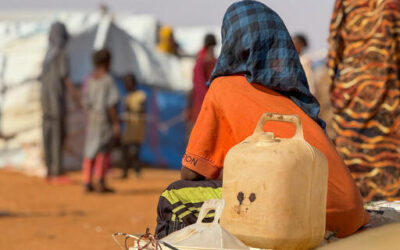
The report said heavy rains and flooding have intensified humanitarian needs, damaging shelters and health facilities and further restricting women’s and girls’ access to sexual and reproductive health services and gender-based violence support across several parts of the country, including Darfur and White Nile.
In White Nile, heavy rains damaged a UNFPA-supported maternity clinic and 1,104 shelters, while flooding affected more than 1,200 displaced and host-community households in Khor Ajwal and Rabak localities.
The report also said heavy rainfall and flooding in Blue Nile affected thousands of people in displacement sites and temporary shelters, raising fears of disease outbreaks amid pressure on already overstretched health and water systems.
Conflict in Gissan and Kurmuk, combined with flooding, has driven further displacement and severely constrained access to basic services, the report said. UNFPA-supported community midwives continued to provide safe delivery care in both locations.
Darfur Barriers
A UNFPA mission to Central, North and West Darfur found severe barriers preventing women and girls from accessing essential health and protection services, including difficult terrain, insecurity and seasonal flooding.
In Golo, Central Darfur, UNFPA said it is currently the only UN agency present. The fund and its partner, International Medical Corps, support the only hospital in the surrounding area capable of performing emergency surgical deliveries, while midwives in displacement camps assist normal deliveries with limited equipment and supplies.
In North Darfur, women living outside Tawila often reach health facilities too late to save the mother, the baby or both, the report said, underscoring the need to decentralize services across Darfur rather than concentrate them around Tawila camp.
Health Services Across 17 States
During July, UNFPA-supported partners delivered sexual and reproductive health services across 52 localities in 17 states through 40 comprehensive emergency obstetric and newborn care facilities, 11 basic emergency obstetric and newborn care facilities, 12 primary healthcare centres and 24 mobile clinics.
The report said trained health workers assisted 6,762 deliveries, including 2,914 C-sections, while 2,287 obstetric emergencies were managed, 1,516 newborns were admitted for neonatal intensive care and 102 emergency obstetric referrals were facilitated.
UNFPA also said it delivered reproductive health kits through the Chad corridor to 18 partner-supported service delivery points across Darfur, with supplies expected to support essential reproductive health services for about 70,000 people, most of them women and girls.
Protection and Gender-Based Violence
UNFPA and its partners reached more than 90,000 people across Sudan in July with gender-based violence prevention, risk mitigation and response services. Women and girls accounted for 96% of those reached.
Between January and July, 421,574 people received sexual and reproductive health services supported by UNFPA, while about 601,000 people benefited from gender-based violence prevention, mitigation and response activities.
The report said GBV services had reached 117 of Sudan’s 188 localities, despite access, financial and operational constraints.
Funding Gap
UNFPA said its 2026 appeal for $129.2 million to respond to critical reproductive health and gender-based violence needs in Sudan is only 34% funded, leaving a funding gap of $86 million.
The requirements include $37.4 million for sexual and reproductive health, $35.6 million for gender-based violence response and $12.7 million for refugee response inside Sudan.
Sudan’s war, which erupted between the Sudanese Armed Forces (SAF) and the Rapid Support Forces (RSF) in April 2023, has severely disrupted the health system, damaged medical facilities, displaced health workers and increased pressure on already limited services.
Seasonal floods and new waves of displacement have further deepened needs, particularly for pregnant women, newborns, women and girls exposed to violence, and displaced families living in temporary or unsafe shelters.