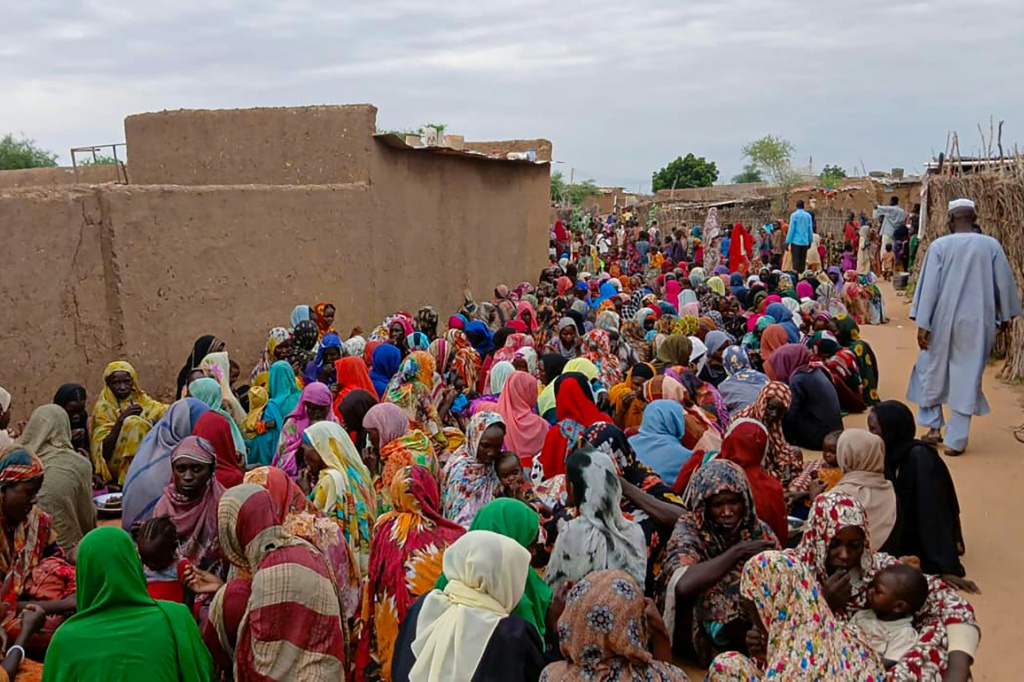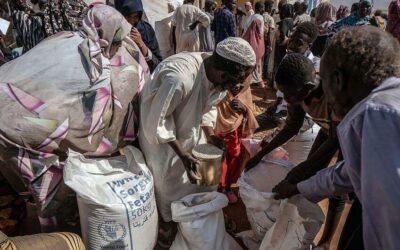

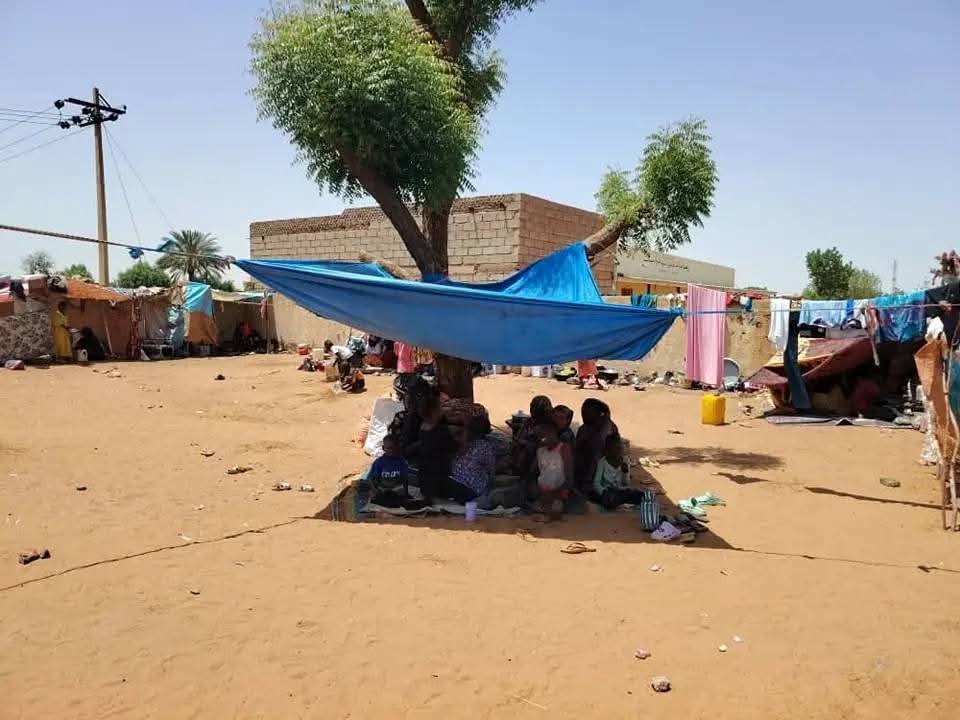
KHARTOUM – The Sudan Doctors Network warned on Saturday that more than 200,000 people, including over 20,000 children, are facing deteriorating humanitarian and health conditions in areas west of Bara in Sudan’s North Kordofan State, citing cholera and measles outbreaks, severe shortages of food and medicine, and restrictions on humanitarian access.
In a statement, the network said field reports had documented more than 100 measles cases among children at several health centers, in addition to 45 cholera cases, amid what it described as a sharp decline in healthcare services and a critical shortage of essential medical supplies.
The network said several health facilities are operating without medical supplies, including Taybeh Al-Zaatari Hospital, Umm Kridim Hospital, and health centers in Al-Shaqila Awlad Awana, Umm Saadoun Al-Nadhir, Umm Dhuban, Al-Murra, Al-Hajj Al-Lin, Damira Abdu, Al-Kukiti, Al-Qaa, Umm Hajlij, Duwaid, Al-Shawq, Umm Ashira, and Al-Nabda.
According to the network, the affected administrative areas include Taybeh Al-Zaatari (about 50,000 residents), Umm Kridim (50,000), Al-Mazroub (40,000), Umm Saadoun (30,000), Damira (25,000), and Al-Hajj Al-Lin (20,000), bringing the total number of affected people to more than 200,000.
The network said the continuing interruption of medical and food supplies, coupled with restrictions imposed by the forces controlling the area on the entry of humanitarian assistance, could trigger a major humanitarian and public health disaster, particularly for children and other vulnerable groups.
North Kordofan has witnessed increasing humanitarian pressures as fighting between the Sudanese Armed Forces (SAF) and the Rapid Support Forces (RSF) has disrupted supply routes and limited access to healthcare and basic services in several localities.
International humanitarian agencies have repeatedly warned that Sudan’s conflict has accelerated the spread of preventable diseases, weakened the country’s healthcare system and left millions of people in need of emergency assistance, while aid organizations continue to call for safe and unhindered humanitarian access to affected communities.
The Sudan Doctors Network urged the United Nations, humanitarian organizations and health authorities to urgently deliver medicines, intravenous fluids, vaccines and other essential medical supplies, in addition to food and safe drinking water, to contain the outbreaks and prevent further loss of life.