Introduction
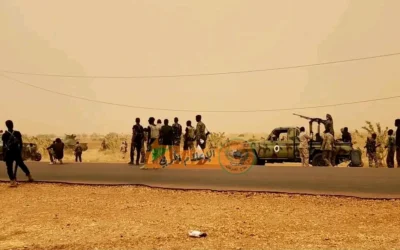
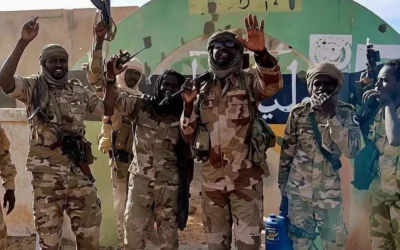
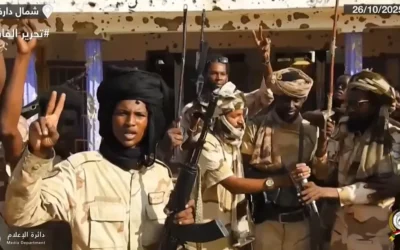
The Rapid Support Forces (RSF) are a Sudanese paramilitary organization that has played a significant role in the country’s political and security landscape over the past decade. Led by Mohamed Hamdan Dagalo, widely known as Hemedti, the RSF evolved from militias that operated during the conflict in Darfur before becoming an officially recognized security force. Since April 2023, the RSF has been one of the two main parties in the Sudan war, alongside the Sudanese Armed Forces (SAF). This guide explains the group’s origins, leadership, structure, role in Sudan and involvement in the ongoing conflict.
Overview
The Rapid Support Forces (RSF) are a paramilitary force in Sudan led by Mohamed Hamdan Dagalo (Hemedti). Although the group was formally established under Sudanese law in the 2010s, its roots trace back to Arab militias that operated during the conflict in Darfur in the early 2000s.
Initially created to support counterinsurgency operations, the RSF later expanded its role beyond Darfur, participating in security operations across Sudan and becoming an influential political and military actor. Over time, the force developed its own command structure and economic interests while operating separately from the Sudanese Armed Forces (SAF).
Tensions between the RSF and the SAF intensified during Sudan’s political transition following the 2019 overthrow of President Omar al-Bashir. Disagreements over security sector reform and the integration of the RSF into the national military culminated in the outbreak of war on 15 April 2023.
Today, the RSF remains one of the principal parties in the Sudan conflict, with its activities shaping military, political and humanitarian developments across the country.
Origins of the RSF
The origins of the Rapid Support Forces (RSF) can be traced to the conflict in Sudan’s Darfur region, which began in 2003. During the fighting, the Sudanese government relied on a range of Arab tribal militias to support military operations against rebel groups. These militias later became widely known as the Janjaweed, a term associated with allegations of widespread human rights abuses during the conflict.
In the years that followed, the Sudanese authorities sought to reorganize some of these forces under a more formal command structure. In 2013, the Rapid Support Forces (RSF) were established as a paramilitary force under the leadership of Mohamed Hamdan Dagalo, commonly known as Hemedti. The group initially operated under Sudan’s National Intelligence and Security Service before later coming under the authority of the country’s military leadership through changes in Sudanese law.
The RSF’s responsibilities expanded beyond Darfur to include border security, counterinsurgency operations and other security missions across Sudan. The force also deployed personnel abroad as part of the Saudi- and UAE-led coalition in Yemen, raising its regional profile.
Over time, the RSF grew into one of Sudan’s most powerful armed organizations, operating alongside—but separately from—the Sudanese Armed Forces (SAF). This parallel command structure became a central issue during negotiations over security sector reform following Sudan’s 2019 political transition and contributed to the tensions that eventually led to the outbreak of war in April 2023.
Leadership
The Rapid Support Forces (RSF) are led by Mohamed Hamdan Dagalo, commonly known as Hemedti. He rose to prominence during the Darfur conflict and became the commander of the RSF after its formal establishment in 2013.
Under Hemedti’s leadership, the RSF expanded from a regional paramilitary force into one of Sudan’s most influential military organizations. The group developed a nationwide presence and became involved in a range of security operations, while also increasing its political and economic influence.
Following the 2019 removal of President Omar al-Bashir, Hemedti served as deputy chairman of Sudan’s Transitional Sovereignty Council alongside General Abdel Fattah al-Burhan. Although the two leaders initially shared power during the transitional period, disagreements over the country’s political future and the integration of the RSF into the Sudanese Armed Forces (SAF) deepened over time.
These tensions culminated in the outbreak of armed conflict between the RSF and the SAF on 15 April 2023, placing Hemedti at the center of one of Sudan’s most significant political and military crises.
Role in Sudan
Before the outbreak of the Sudan war in April 2023, the Rapid Support Forces (RSF) played a broad role in the country’s security landscape. The force participated in counterinsurgency operations, border security missions and efforts to combat smuggling and human trafficking. It also deployed troops outside Sudan as part of the Saudi- and UAE-led coalition in Yemen.
Beyond its military responsibilities, the RSF became an increasingly influential political and economic actor. Following the 2019 overthrow of President Omar al-Bashir, the force emerged as one of the country’s most powerful institutions and was represented in Sudan’s transitional leadership.
The RSF’s growing influence, combined with its separate command structure, became a source of tension during negotiations over Sudan’s political transition. Proposals to integrate the force into the Sudanese Armed Forces (SAF) proved highly contentious, with disagreements over the timeline, command structure and implementation of security sector reforms.
Since the outbreak of war in April 2023, the RSF has become one of the principal military parties in the conflict. The group has been involved in major battles across Khartoum, Darfur, Kordofan and other regions, making its actions central to the course of the war and its humanitarian consequences.
RSF and the Sudan War
The Rapid Support Forces (RSF) have been one of the two principal parties in the Sudan war since fighting erupted on 15 April 2023. The conflict began after months of growing tensions between the RSF and the Sudanese Armed Forces (SAF) over security sector reform and the integration of the RSF into the national military.
Since the start of the war, the RSF has conducted military operations across several regions, including Khartoum, Darfur, Kordofan and Gezira State. Control of territory has shifted repeatedly as both sides have launched major offensives and counteroffensives.
The conflict has been accompanied by widespread allegations of violations of international humanitarian law and human rights abuses. The RSF has denied some allegations made against it, while international organizations, the United Nations and human rights groups have called for independent investigations and accountability for abuses committed by all parties to the conflict.
The ongoing fighting has contributed to one of the world’s largest displacement crises, with millions of people forced to flee their homes and humanitarian conditions continuing to deteriorate. As military operations continue, the RSF remains a central actor in Sudan’s political, security and humanitarian landscape.
International Allegations and Sanctions
Since the outbreak of the Sudan war in April 2023, the Rapid Support Forces (RSF) have faced widespread international scrutiny over allegations of serious human rights violations and breaches of international humanitarian law. The group has rejected or disputed some of these allegations.
The United Nations, independent fact-finding mechanisms and international human rights organizations have documented reports of unlawful killings, sexual violence, forced displacement, attacks on civilians and the destruction of civilian property during the conflict. Investigations and reporting have continued as the war has evolved.
Several governments have also imposed sanctions on individuals and entities associated with the RSF. These measures have included financial sanctions, travel restrictions and asset freezes, citing concerns over human rights abuses and actions that have undermined peace, security and stability in Sudan.
International organizations have repeatedly called for independent investigations and accountability for violations committed during the conflict. They have emphasized that all parties to the war, including the RSF and the Sudanese Armed Forces (SAF), should comply with international humanitarian law and protect civilians.
Frequently Asked Questions (FAQ)
What does RSF stand for?
RSF stands for the Rapid Support Forces, a Sudanese paramilitary organization established in 2013. The force has played a major role in Sudan’s security and political affairs and is one of the two main parties in the ongoing Sudan war.
Who leads the RSF?
The RSF is led by Mohamed Hamdan Dagalo, widely known as Hemedti, who has commanded the force since its establishment.
How was the RSF formed?
The RSF was established in 2013 after the Sudanese government reorganized armed groups that had operated during the Darfur conflict. The force later expanded its responsibilities beyond Darfur and became an officially recognized paramilitary organization under Sudanese law.
Why is the RSF fighting the Sudanese Armed Forces?
The conflict began after disagreements over Sudan’s political transition, security sector reform and the proposed integration of the RSF into the Sudanese Armed Forces (SAF). These disputes escalated into open fighting on 15 April 2023.
Is the RSF part of the Sudanese military?
The RSF has operated as a separate paramilitary force under Sudanese law rather than as a branch of the Sudanese Armed Forces. Its independent command structure became one of the central issues during negotiations over security sector reform.
Where does the RSF operate?
Since the outbreak of the Sudan war, the RSF has operated in several parts of the country, including Khartoum, Darfur, Kordofan, Gezira State and other regions, with the areas under its control changing over time as the conflict has evolved.
Related Guides
To better understand the Rapid Support Forces (RSF) and the broader Sudan conflict, explore these related reference guides:
– Sudan War Explained
– Sudan Armed Forces (SAF)
– Who is Mohamed Hamdan Dagalo (Hemedti)?
– Who is Abdel Fattah al-Burhan?
– Sudan Conflict Timeline
– Sudan Humanitarian Crisis
– History of Sudan
– Sudan Economy
Sources
This guide is based on information published by official institutions, international organizations and established news organizations, including:
– United Nations (UN)
– UN Human Rights Office (OHCHR)
– UN Panel of Experts on Sudan
– African Union (AU)
– Intergovernmental Authority on Development (IGAD)
– Reuters
– The Associated Press (AP)
– Human Rights Watch (HRW)
– Amnesty International
– Sudan Now reporting
Last Updated
Last updated: July 2026
This reference guide is reviewed regularly and updated to reflect significant developments involving the Rapid Support Forces (RSF), including changes in leadership, legal status, military activities and international actions related to the ongoing conflict in Sudan.