

GENEVA – The International Organization for Migration (IOM) warned on Friday that supplies for the humanitarian common pipeline it manages in Sudan could run out in less than two weeks, while operations could shut down entirely by the end of the year without additional funding.
The pipeline is used by more than 100 humanitarian organizations to move shelter materials, non-food items and hygiene supplies to people in need across Sudan. IOM said the system has supported more than 2.84 million people since July 2023.
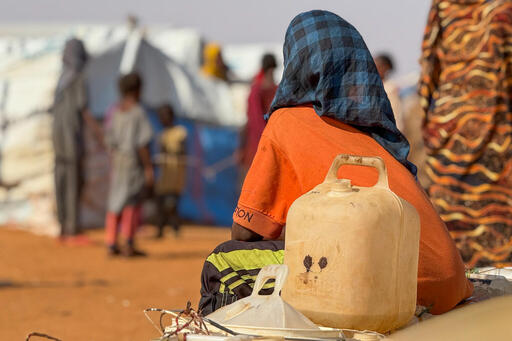
Speaking to reporters in Geneva, IOM spokesperson Zoe Brennan said around 8.6 million internally displaced people in Sudan lack adequate shelter as fighting continues alongside flooding and heavy rains.
She said the absence of proper shelter in overcrowded displacement sites increases the risk of disease, gender-based violence, family separation and forced displacement.
Brennan warned that if the pipeline loses its operational capacity, restoring it would not be easy even if funding later becomes available, because rebuilding the system would take considerable time and money.
IOM said it needs $15 million to maintain the pipeline’s minimum operating capacity for 12 months, which would allow it to support about 305,000 people.
Brennan said $42 million would enable IOM to expand the pipeline and provide immediate, life-saving assistance to as many as 1 million people.
She said the amount of available funding will determine not only whether the pipeline survives, but also the scale of operations and the number of people humanitarian partners can reach.
No New Funding Yet
From Port Sudan, IOM Sudan Chief of Mission Mohamed Refaat said the agency had contacted partners, including the Turkish government and the European Union, since issuing an earlier warning several days ago, but had not yet secured new funding.
Refaat said IOM is also seeking in-kind donations, including tents and non-food items, in addition to cash contributions that can be used to purchase essential supplies.
The warning comes as millions of displaced people and war-affected communities across Sudan remain dependent on humanitarian assistance, while aid operations face increasingly severe funding shortages and logistical constraints.
Sudan’s war has displaced millions of people since April 2023, leaving many families living in overcrowded or makeshift shelters with limited access to water, sanitation, healthcare and basic household supplies.
Humanitarian agencies have repeatedly warned that insecurity, damaged infrastructure, access restrictions and funding shortfalls are limiting their ability to reach people in need across the country.


